Pre-Approval Inspection Benefits: FDA Readiness Guide
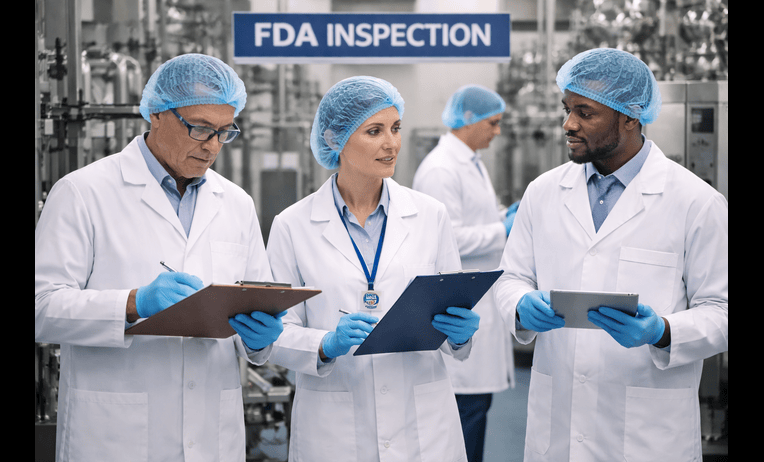
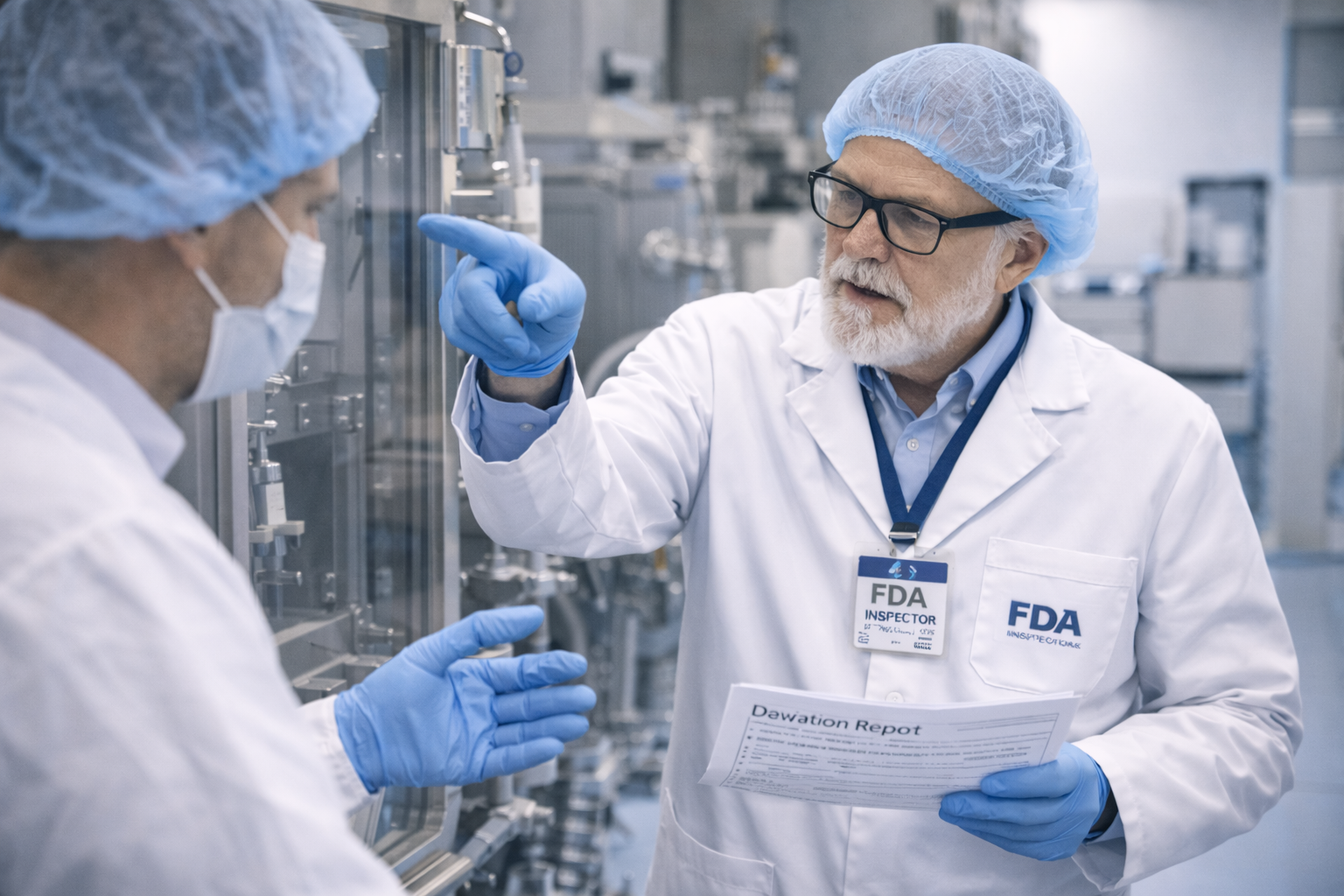
Pre-approval inspections are a crucial step in the FDA’s regulatory process. A pre-approval inspection (PAI) helps confirm that products meet safety and quality standards before reaching the market, enhancing overall inspection readiness. These regulatory inspections are vital for medical device manufacturers and pharmaceutical companies seeking US FDA compliance.
Understanding the benefits of pre-approval inspections can help companies prepare effectively. It involves assessing manufacturing processes and quality control systems. This preparation can prevent compliance issues and delays, especially when teams align activities with a US FDA inspection checklist or FDA audit checklist for PAI readiness.
The FDA conducts these inspections to verify data and ensure product efficacy. Companies must be inspection-ready to achieve successful outcomes. This readiness involves training, documentation, and mock inspections supported by clear procedures.
FDA regulatory consulting services can provide valuable support. They help companies navigate complex regulations and enhance inspection readiness. Many organizations engage FDA compliance consultants or FDA regulatory consulting firms for targeted guidance.
What Is a Pre-Approval Inspection?
A pre-approval inspection (PAI) is a critical review conducted by the FDA. It focuses on the manufacturing process and facility’s compliance with FDA standards. This inspection occurs before a product receives market approval. In some materials, it may also be referenced as a “pre approval inspection.”
PAIs aim to confirm that submitted data aligns with actual practices. This process ensures the safety and efficacy of products. It is a vital step for pharmaceuticals and medical devices entering the U.S. market and may include a medical device inspection when relevant.
During a PAI, the FDA evaluates several key aspects of production:
- Quality management systems
- Documented procedures
- Facility conditions
- Employee training
These inspections help identify potential issues that could affect product approval. By detecting problems early, companies can avoid costly post-market compliance challenges. Preparing for a PAI requires meticulous attention to detail and comprehensive readiness, including alignment with FDA QSIT principles where applicable.
Why Are Pre-Approval Inspections Important?
Pre-approval inspections are crucial for ensuring that products meet FDA regulations before reaching consumers. They safeguard public health by verifying that manufacturing practices align with quality and safety standards. This step is essential to prevent any potential health risks associated with new products.
The inspections provide a comprehensive review of the manufacturing process. They assess whether companies adhere to protocols that guarantee product quality and efficacy. The results offer assurance to both the FDA and consumers about the reliability of the product.
Key benefits of pre-approval inspections include:
- Early detection of compliance issues
- Assurance of product quality and safety
- Facilitation of smoother market entry
These advantages highlight the importance of thorough preparation for a PAI. Companies that prioritize inspection readiness can reduce delays in product approval and market launch. By fostering a commitment to quality from the outset, they set the stage for successful product introductions.
The FDA’s Role and What Is Regulated
The FDA plays a pivotal role in safeguarding public health. It does so by regulating a wide array of industries. These include pharmaceuticals, medical devices, and food products, among others. Understanding what the FDA regulates helps companies comply with its rigorous standards.
Common questions include: what does the FDA regulate, what is regulated by the FDA, for what is the FDA responsible, and what industries are regulated? In short, the FDA oversees the safety, effectiveness, and quality of products in FDA regulated sectors through FDA regulation and enforcement.
Industries Regulated by the FDA
The FDA regulates a wide variety of sectors, including:
- Pharmaceuticals
- Medical devices
- Food and beverages
- Cosmetics

Each industry must comply with specific regulations designed to ensure safety and effectiveness. Pre-approval inspection activities form a critical part of this regulatory framework. They help ensure new products meet all required standards. This process minimizes risks to consumers by catching potential issues before they become problems.
By understanding the scope of the FDA’s responsibilities, companies can better prepare for compliance. This preparation is essential for a smooth and successful inspection experience during a USFDA inspection or related FDA audits.
Key Elements of a Pre-Approval Inspection
Pre-approval inspections are thorough and methodical. They assess several key elements to ensure compliance with FDA standards. This ensures that products are safe and effective for consumers.
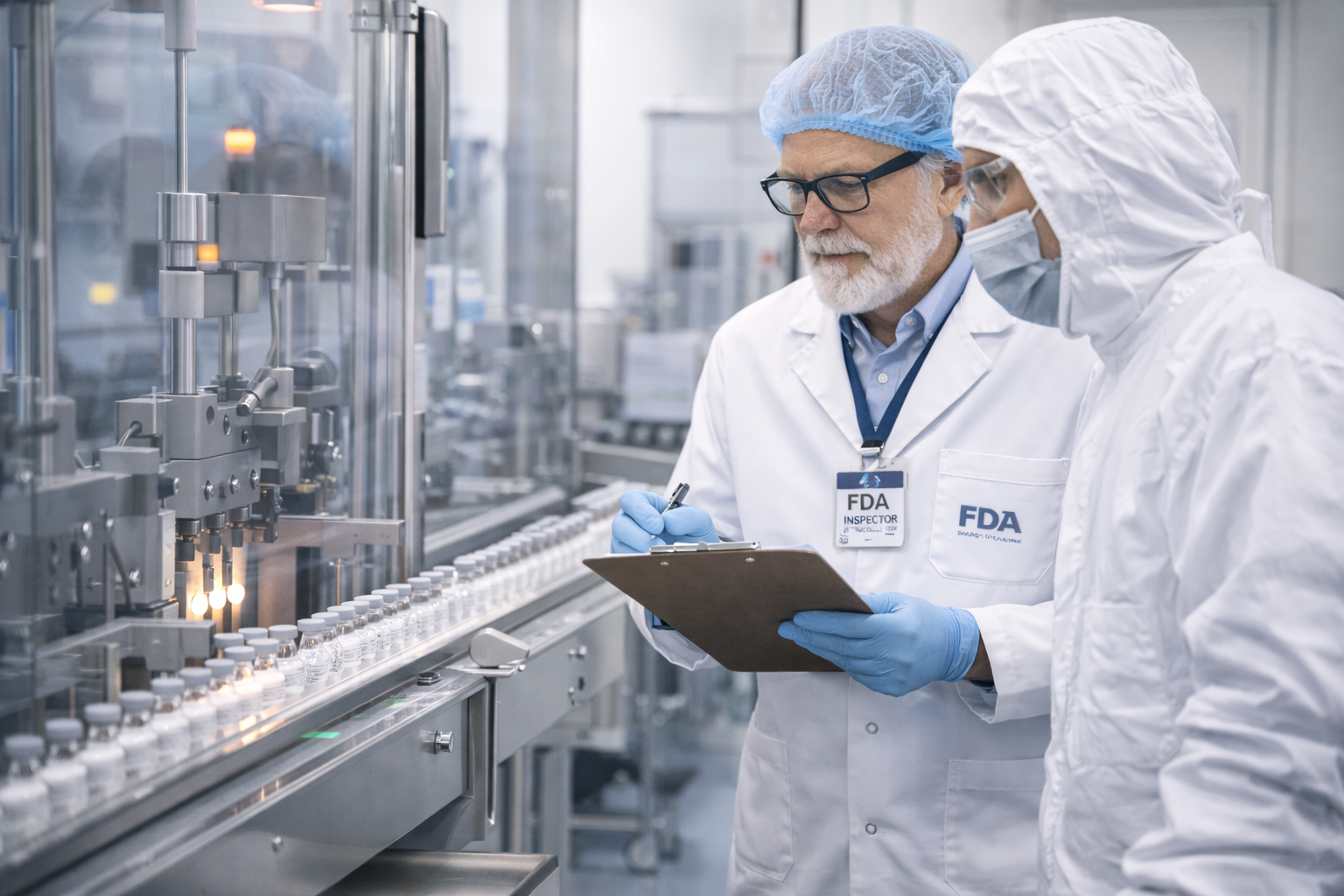
A primary focus is the manufacturing process. Inspectors evaluate whether it follows FDA guidelines and industry best practices. This evaluation includes a detailed review of quality control measures and protocols.
Key Elements Assessed
During pre-approval inspections, the FDA examines:
- Manufacturing processes
- Quality control systems
- Regulatory documentation
- Design controls
by Brett Jordan (https://unsplash.com/@brett_jordan)
Documentation plays a crucial role as well. Inspectors check for thorough and accurate records. These records help verify data submitted in the product application. Additionally, the overall quality management system is evaluated. It’s essential that this system is robust and aligns with FDA expectations. This evaluation helps identify potential improvements and ensures ongoing compliance.
Understanding these elements helps companies better prepare for a pre-approval inspection, streamlining the approval process and aligning with medical device inspection expectations when applicable.
Inspection Readiness: Best Practices for Success
Inspection readiness is key for a smooth pre-approval inspection. Preparation can prevent many common issues, ensuring a successful outcome. Here are some inspection readiness best practices to enhance readiness.
Firstly, train your team. Well-trained staff understand their roles during inspections. Training should cover regulatory guidelines and specific inspection procedures. Incorporate inspection readiness training resources, including FDA TIMS modules where appropriate.
Team Training Should Include:
- Roles and responsibilities
- Regulatory requirements
- Documentation standards
Document management is also critical. Ensure all records are accessible and up-to-date. This includes production records, quality control logs, and compliance documentation. Tie these practices into your quality management system inspection readiness program.
Effective Documentation Practices:
- Consistent record-keeping
- Easily accessible documentation
- Regular updates and reviews
Conducting mock inspections can be beneficial too. They simulate the inspection environment, helping identify gaps in preparedness. Regular reviews and audits ensure ongoing compliance. Consider best practices for conducting inspections with commissioning checklists when facilities or utilities are newly qualified.
Finally, engage with FDA regulatory consultants. Their expertise can provide valuable insights. Consulting services help tailor inspection strategies and improve compliance efforts.
Implementing these practices fosters a culture of readiness and accountability. This proactive approach helps mitigate risks and enhances the likelihood of a successful pre-approval inspection.
Common Challenges and How to Overcome Them
Facing challenges during pre-approval inspections is common for many companies. These hurdles can range from documentation inconsistencies to unprepared staff. Identifying these issues early can prevent complications during the inspection process.
Documentation issues are a frequent challenge. Incomplete or disorganized records can lead to delays. It’s crucial to establish a robust system for managing documents. Regular audits can help ensure records are complete and up to date.
Unprepared staff can also be a problem. Without proper training, staff might struggle to provide necessary information during inspections. To overcome this, conduct regular training sessions. Empower your team with the knowledge and confidence they need.
Key Strategies to Overcome Challenges:
- Implement effective documentation management systems.
- Schedule regular internal audits.
- Conduct comprehensive staff training sessions.
By addressing these challenges proactively, companies can improve their readiness and reduce the risk of inspection-related issues.
The Role of FDA Regulatory Consulting and Consulting Services
FDA regulatory consulting plays a vital role in helping companies navigate complex regulations. These services provide expert guidance, ensuring that businesses understand and comply with all requirements. Engaging consultants can streamline the pre-approval inspection process.
Consultants offer tailored advice for specific regulatory challenges. Their expertise helps companies develop effective strategies for inspection readiness. They assist in interpreting FDA guidelines and implementing best practices. This targeted support can significantly enhance compliance efforts, whether you seek a medical device FDA consultant, an FDA NDA consultant, or an FDA 510k consultant.
The benefits of consulting services extend beyond initial preparation. Continuous guidance ensures ongoing compliance and alignment with FDA standards. Companies can rely on consultants to stay informed about regulatory changes and maintain their competitive edge. US FDA regulatory consultants and FDA regulatory compliance consulting teams can also advise on mock inspection programs and FDA audits.
Questions teams often ask include: which consulting service is best for FDA med device approval, and how to choose among FDA consulting firms specialized in medical devices? While the answer depends on your needs, reputable FDA consulting services and FDA regulatory consultants should offer proven experience with device and drug submissions.
Advantages of FDA Regulatory Consulting:
- Expert guidance tailored to specific needs.
- Assistance with interpreting FDA guidelines.
- Support in developing inspection readiness strategies.
By leveraging the expertise of regulatory consultants, companies can effectively prepare for pre-approval inspections and navigate the complex regulatory landscape. This can be especially helpful for novel products—such as medical magnesium implants that have received FDA Breakthrough Device designation—where expectations and evidence needs may evolve quickly.
Mock Inspections and Internal Audits: Tools for PAI Readiness
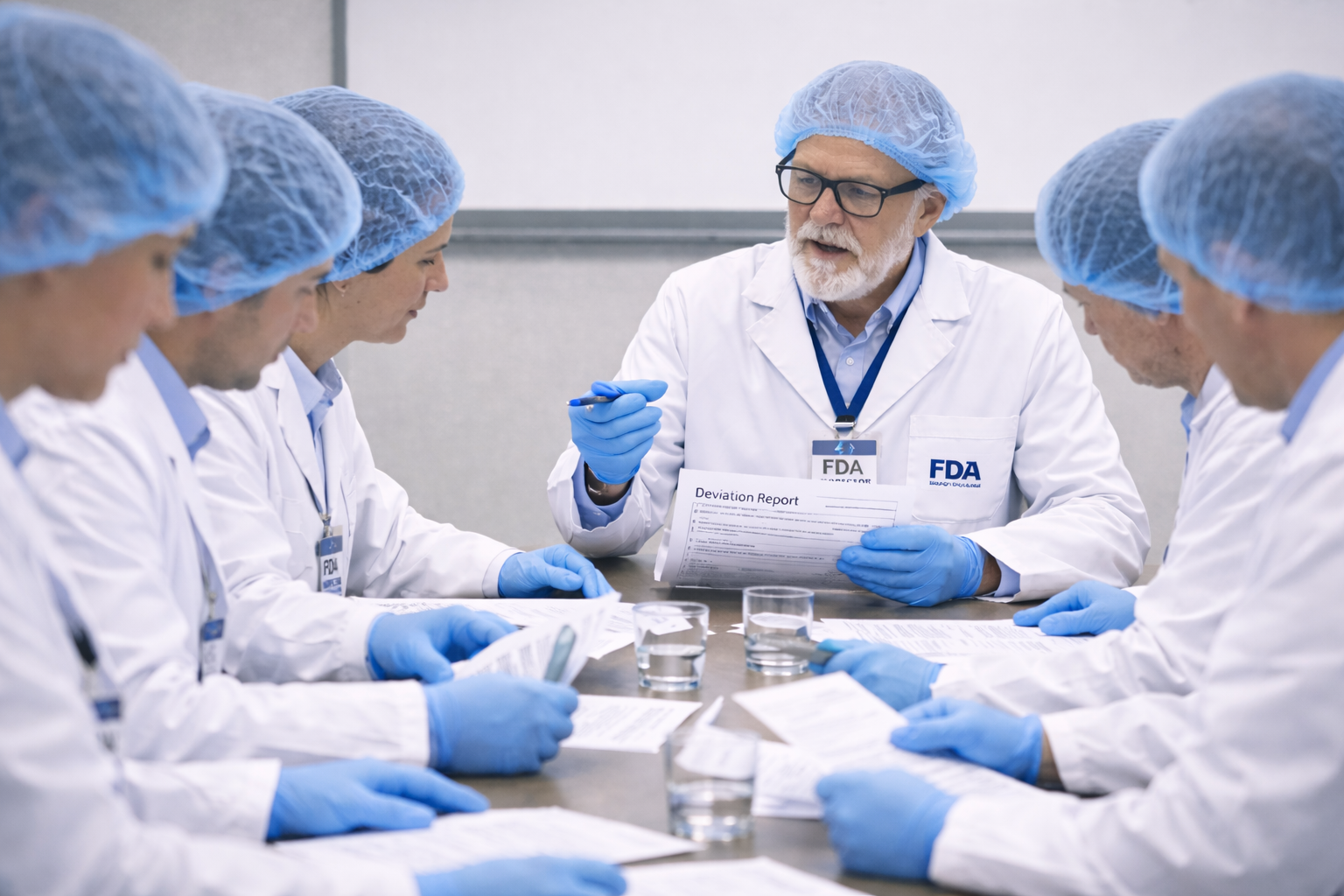
Mock inspections are an invaluable tool in preparing for pre-approval inspections. They simulate the real inspection process, identifying potential gaps in compliance. This proactive approach allows companies to address issues before the actual FDA visit.
Internal audits complement mock inspections by providing a thorough review of systems and processes. Regular audits ensure ongoing compliance with FDA standards and help maintain high quality levels. They also foster a culture of continuous improvement within the organization.
By integrating mock inspections and internal audits into their strategies, companies strengthen their inspection readiness. This dual approach helps prepare teams, systems, and documentation for the rigorous demands of a pre-approval inspection and related FDA audits.
Benefits of Mock Inspections and Internal Audits:
- Identify compliance gaps early.
- Reinforce continuous improvement culture.
- Enhance overall inspection readiness.
The Pre-Approval Inspection Checklist: What to Expect
The pre-approval inspection checklist is essential for a smooth inspection process. It helps companies ensure compliance and readiness. This checklist includes various components that the FDA examines during their visit. Many teams adapt a US FDA inspection checklist, an FDA checklist for inspection, or a focused pharmacy audit checklist (for applicable operations) to maintain consistency.
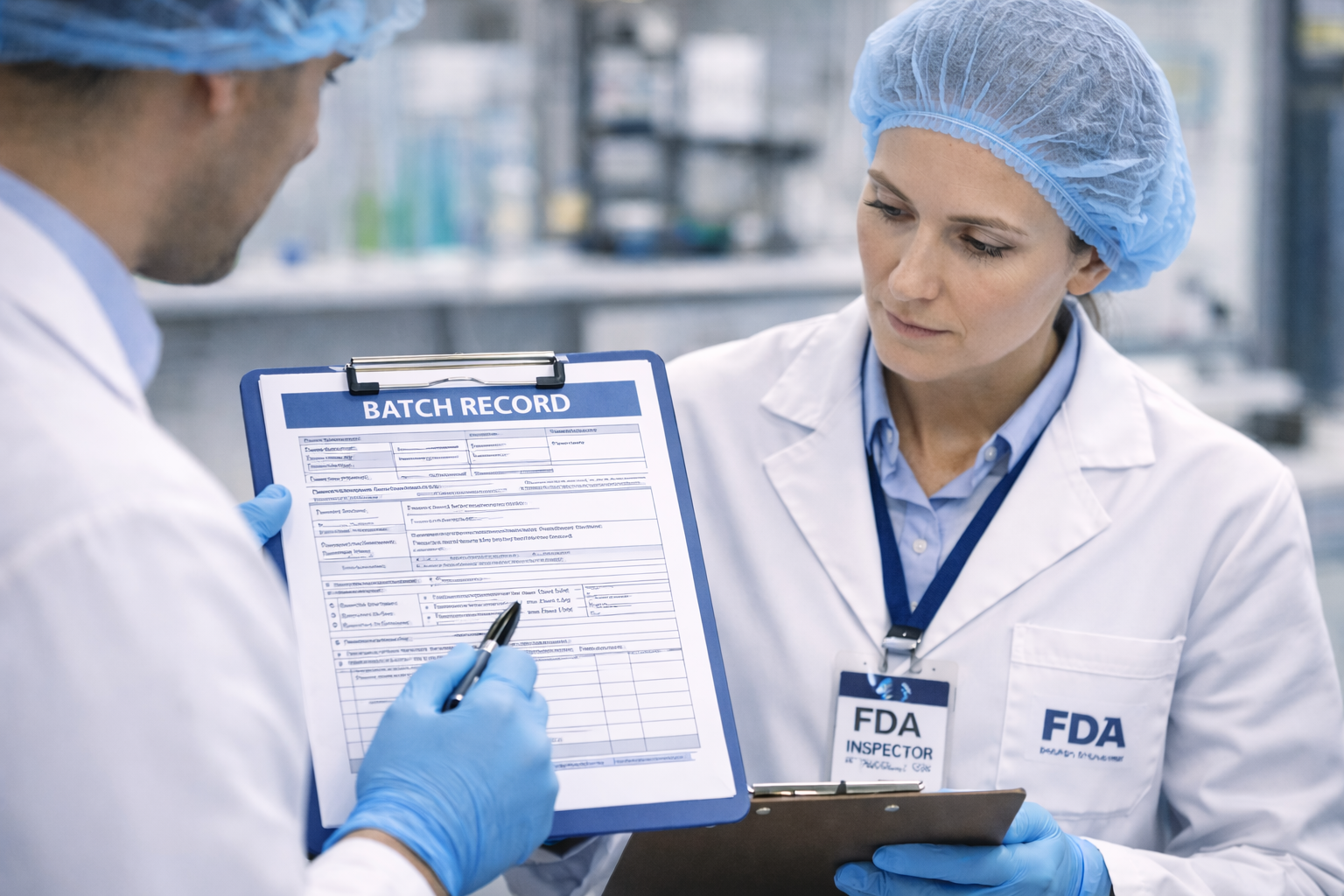
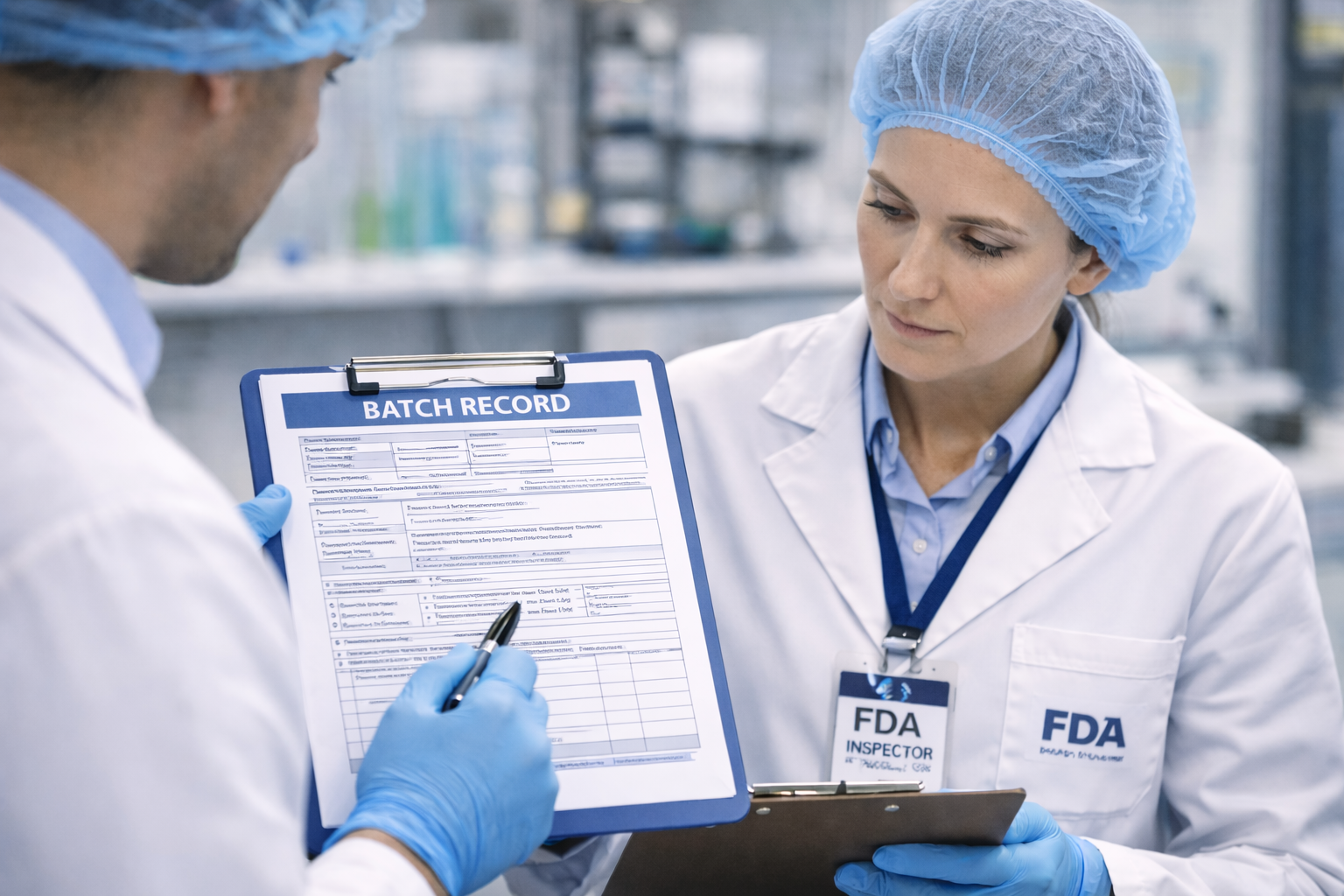
Key areas covered in the checklist are manufacturing processes, quality systems, and personnel training. Inspections also evaluate documentation such as batch records and design controls. Each area is scrutinized to ensure compliance with FDA regulations.
Preparing with an organized checklist minimizes oversights, which could lead to compliance issues. Knowing what inspectors will review allows companies to address potential problems proactively.
Checklist Components:
- Manufacturing processes
- Quality systems
- Training documentation
- Batch and production records
Which below are steps in effective inspections? Establish roles, ensure complete documentation, and verify data integrity through traceable records. Using this checklist as a guide, businesses can confidently approach inspections. This approach ensures all necessary areas meet FDA standards, ultimately securing a successful outcome.
Benefits of a Successful Pre-Approval Inspection
Achieving success in a pre-approval inspection brings numerous advantages. It paves the way for FDA approval, allowing products to reach the market faster. This approval affirms that a company’s processes adhere to stringent regulatory standards.
Beyond approval, success enhances the company’s reputation for quality and compliance. It builds trust with regulators and customers, strengthening market position. Consistent compliance can also lead to fewer future inspections and sustained US FDA compliance.
Key Benefits:
- Faster market access
- Compliance with FDA standards
- Enhanced company reputation
These benefits highlight why investing in inspection readiness and quality systems is crucial. They ensure ongoing compliance and open doors to new market opportunities.
Conclusion: Building a Culture of Compliance and Quality
Cultivating a culture that emphasizes compliance and quality is crucial for success. Proactive measures, like a pre-approval inspection, ensure adherence to FDA standards.
Commitment to quality should permeate every level of an organization. Continuous training and improvement foster this culture. It equips teams to handle inspections confidently and efficiently.
By prioritizing these elements, companies can secure smoother operations and sustained regulatory success. This approach not only meets regulatory demands but also builds lasting trust with consumers and partners.
Additional Resources and Consulting Considerations
If you are comparing options, you may research: best FDA regulatory consulting for medical devices, best FDA regulatory consulting for medical devices 2025, best-rated FDA consultancy for medical device research, FDA approval consultant capabilities, and consulting FDA experience for regulatory submissions. Many organizations also evaluate FDA inspection jobs postings and FDA TIMS or QSIT materials to understand current emphasis areas during a PAI inspection.
Q&A
Question: What is a Pre-Approval Inspection (PAI), and when does it occur?
Short answer: A PAI is an FDA-conducted review of a manufacturer’s facility and processes that takes place before a product is approved for market. It verifies that submitted application data match real-world practices, and that manufacturing controls ensure product safety and efficacy—especially for pharmaceuticals and medical devices.
Question: What does the FDA examine during a PAI?
Short answer: Inspectors assess manufacturing processes, quality control systems, and regulatory documentation (including design controls where applicable). They also review the quality management system, facility conditions, documented procedures, and employee training to confirm alignment with FDA expectations and QSIT principles when relevant.
Question: How can companies best prepare for a PAI?
Short answer: Build inspection readiness through targeted team training, robust document management, and realistic mock inspections supported by clear procedures. Use structured tools—such as a US FDA inspection or FDA audit checklist, FDA TIMS modules, and commissioning checklists for newly qualified areas—and consider engaging FDA regulatory consultants for tailored guidance.
Question: What common challenges cause delays, and how can we avoid them?
Short answer: Frequent issues include incomplete or disorganized records and unprepared staff. Mitigate them by implementing effective documentation systems with regular updates and audits, conducting comprehensive training, running mock inspections, defining roles, and verifying data integrity through traceable records.
Question: Why are PAIs important, and what are the benefits of a successful inspection?
Short answer: PAIs protect public health by ensuring products meet FDA standards before reaching consumers and help detect compliance issues early. A successful PAI supports faster market access, demonstrates compliance, strengthens reputation with regulators and customers, and can reduce the likelihood of future inspection burdens.