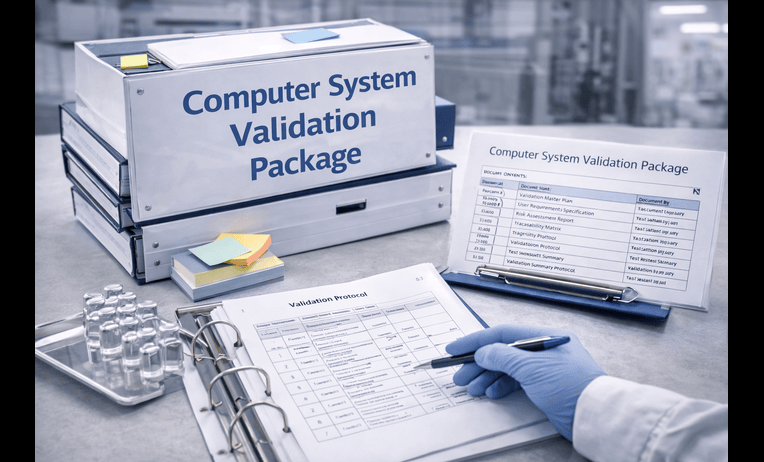

Computer System Validation for Regulated Life Science Organizations
Computer System Validation (CSV) is an essential process for organizations that rely on computerized systems to support regulated operations, quality processes, manufacturing activities, research functions, and business-critical workflows.
In highly regulated industries such as pharmaceuticals, biotechnology, medical devices, diagnostics, and healthcare, computerized systems must be reliable, consistent, secure, and suitable for their intended use. A structured computer system validation approach helps organizations demonstrate that systems operate according to defined requirements while supporting compliance expectations.
BioBoston Consulting provides practical computer system validation services designed to support life science organizations with validation planning, system assessment, documentation, compliance alignment, and implementation support.
What Is Computer System Validation?
What is computer system validation? Computer System Validation is the documented process used to confirm that a computerized system consistently performs as intended and meets predefined requirements.
A computer system may include software applications, laboratory systems, manufacturing platforms, enterprise resource planning systems, electronic records systems, databases, and automated technologies used in regulated environments.
Computer systems validation ensures that organizations have appropriate controls in place throughout the system lifecycle. This includes planning, requirements definition, testing, documentation, implementation, and ongoing system management.
A successful CSV validation process helps organizations establish confidence that their systems can support critical operations while maintaining data integrity and regulatory readiness.
What Is Computerized System?
What is computerized system? A computerized system is a combination of hardware, software, processes, people, and procedures working together to perform specific functions.
In regulated industries, computerized systems may manage:
- Manufacturing operations
- Laboratory testing activities
- Quality processes
- Clinical data management
- Electronic records
- Business operations
Understanding what is a computerized system is important because validation requirements depend on how the system is used, the risks involved, and its impact on product quality, patient safety, and data reliability.
The term what is computerised system is also commonly used in global regulatory environments and refers to the same concept of integrated technology systems used to perform controlled activities.
FDA Software Validation and Regulatory Expectations
FDA software validation expectations require organizations to ensure that software used in regulated activities performs reliably and supports intended use.
FDA software validation focuses on confirming that software systems are developed, implemented, and maintained in a controlled manner. Organizations must evaluate system functionality, risks, documentation, and performance throughout the system lifecycle.
Companies reviewing FDA’s new software validation requirements often focus on modern approaches that emphasize risk-based validation, critical functionality, and appropriate assurance activities.
FDA computer software assurance introduces a risk-based approach that encourages organizations to focus testing and validation activities on areas that directly impact product quality, patient safety, and data integrity.
CSV vs CSA: Understanding Modern Validation Approaches
The discussion around CSV vs CSA reflects the changing expectations for software assurance in regulated industries.
Traditional computer system validation focuses on documented evidence that systems meet predefined requirements. Computer Software Assurance (CSA) emphasizes risk-based thinking, critical evaluation, and efficient assurance activities.
While CSV and CSA approaches have different focuses, both support the goal of ensuring reliable and compliant computerized systems.
Organizations adopting modern approaches consider:
- System risk assessment
- Critical functionality
- Data integrity controls
- User requirements
- Appropriate testing strategies
Understanding CSV vs CSA helps companies develop validation strategies that balance compliance needs with operational efficiency.
Pharma Validation Software and Computer System Validation in Pharmaceutical Industry
Pharma validation software plays an important role in supporting regulated pharmaceutical operations. Software applications used in research, manufacturing, quality control, and documentation processes must be evaluated to confirm reliability and compliance.
Computer system validation in pharmaceutical industry commonly applies to:
- Laboratory information management systems
- Manufacturing execution systems
- Quality management systems
- Enterprise applications
- Electronic batch records
- Data management platforms
Computer system validation pharmaceutical activities help ensure that technology solutions are properly controlled and suitable for their intended purpose.
Pharmaceutical organizations use computer validation processes to confirm that systems support consistent operations and maintain required documentation.
Best Practices for Software Validation in Research Settings
Best practices for software validation in research settings involve establishing a structured approach that considers system purpose, risk, functionality, and data integrity.
Important practices include:
- Defining clear system requirements
- Performing risk assessments
- Maintaining validation documentation
- Conducting appropriate testing
- Reviewing system changes
- Maintaining audit trail controls
Research environments often depend on software systems that manage important scientific information. Proper computer validation helps ensure that these systems produce reliable and traceable results.
Computer System Validation Lifecycle
A computer system validation lifecycle provides a structured framework for managing systems from initial planning through retirement.
Typical validation activities may include:
Planning and Requirements
Organizations define system requirements and identify the intended use of the technology.
Risk Assessment
Risk assessment helps determine the level of validation effort needed based on system impact and functionality.
Testing and Verification
Testing activities confirm that the system performs according to established requirements.
Documentation
Computer system validation documentation provides evidence that validation activities have been completed appropriately.
Ongoing Monitoring
Systems require continued oversight to ensure they remain controlled after implementation.
Computer System Validation Requirements
Computer system validation requirements depend on the purpose of the system, regulatory expectations, and business impact.
Common requirements include:
- User requirements specifications
- Functional requirements
- Risk evaluations
- Testing documentation
- Change control processes
- Data integrity controls
A strong system validation strategy helps organizations manage technology risks while supporting operational goals.
Audit Trails of Computer Systems Include
Audit trails of computer systems include records that capture important system activities, changes, and user interactions.
Audit trails help organizations maintain visibility into:
- Data modifications
- User actions
- System changes
- Electronic record history
Effective audit trail management supports data integrity and helps demonstrate control over computer systems.
For regulated organizations, audit trails are an important component of compliance-focused system management.
Computer System Validation Services by BioBoston Consulting
BioBoston Consulting supports life science organizations with computer system validation services tailored to regulated environments.
Our approach focuses on practical implementation, structured validation activities, and alignment with business and compliance requirements.
Computer system validation services can support organizations managing new implementations, existing system assessments, remediation activities, and ongoing validation needs.
Why Computer System Validation Is Important
Why computer system validation is required is a common question among organizations implementing regulated technologies.
Computer system validation is required because computerized systems influence important business and quality activities. Without appropriate validation controls, organizations may face risks related to data reliability, system performance, and compliance expectations.
A strong validation program supports:
- Reliable computerized systems
- Controlled processes
- Improved documentation practices
- Data integrity
- Regulatory readiness
Computer System Validation Consultant Support
A computer system validation consultant helps organizations navigate validation requirements, develop practical strategies, and implement controlled system processes.
BioBoston Consulting works with life science organizations to support computer system validation activities while maintaining a focus on quality, compliance, and operational effectiveness.
Organizations looking for computer system validation support can connect with BioBoston Consulting to discuss their validation requirements and regulatory needs.