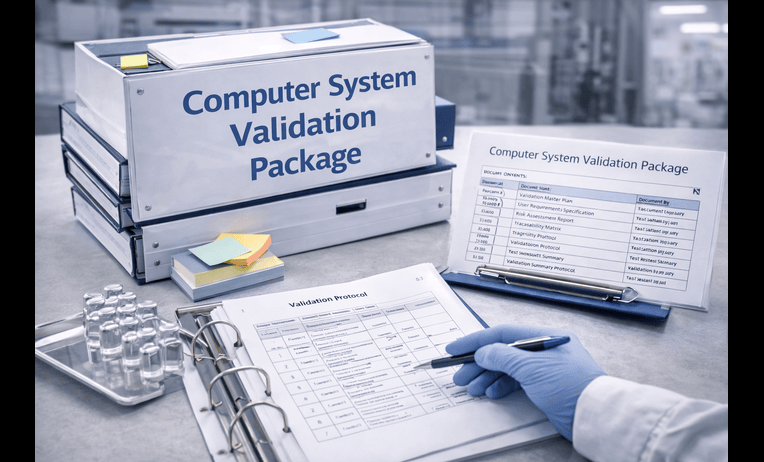

Strengthening Compliance Through Computer System Validation
Computer System Validation (CSV) plays an important role in ensuring that regulated organizations can rely on their computerized systems for critical operations, quality processes, research activities, and manufacturing workflows.
Pharmaceutical, biotechnology, medical device, and healthcare organizations depend on validated systems to maintain data integrity, operational consistency, and regulatory compliance. A well-defined computer system validation approach provides documented evidence that systems are reliable and suitable for their intended purpose.
BioBoston Consulting supports life science organizations with practical validation solutions that align technology, quality requirements, and regulatory expectations.
Understanding Computerized Systems in Regulated Environments
A computerized system includes software, hardware, procedures, users, and associated processes that work together to perform specific functions.
Understanding what is computerized system helps organizations identify systems that may require assessment, qualification, and ongoing validation activities.
Regulated systems must be appropriately controlled to ensure accurate data processing, secure information management, and consistent performance.
Comprehensive CSV Validation Approach
A successful CSV validation program requires a structured lifecycle approach that addresses system requirements, testing, documentation, and ongoing control.
Key areas of support include:
- Validation strategy and planning
- System risk evaluation
- Requirement documentation
- Qualification activities
- Validation testing support
- Change control assessment
- Compliance remediation support
Effective computer systems validation helps organizations maintain confidence in their regulated technology landscape.
FDA Software Validation and Compliance Considerations
Regulatory expectations continue to evolve, including fda software validation requirements for software used in regulated operations.
Organizations must demonstrate that software applications are properly evaluated, controlled, and maintained throughout their lifecycle.
BioBoston Consulting helps organizations understand applicable expectations, including fda’s new software validation requirements, and develop practical approaches that support quality and compliance.
Selecting the Right Pharma Validation Software Strategy
Life science companies use many digital platforms to support research, production, quality management, and business operations.
A reliable pharma validation software strategy helps organizations confirm that systems perform as expected while protecting critical data.
Validation activities may support:
- Laboratory applications
- Manufacturing platforms
- Quality systems
- Electronic records systems
- Enterprise software solutions
CSV vs CSA: Moving Toward Risk-Based Assurance
The conversation around csv vs csa reflects changes in how organizations approach software quality and assurance.
Traditional CSV focuses on documented verification of system performance against approved requirements. CSA introduces a risk-based approach that prioritizes critical functionality and quality impact.
Organizations can evaluate their validation model based on system complexity, intended use, and compliance requirements.
Software Validation Best Practices for Research Environments
Following best practices for software validation in research settings supports trustworthy data and reliable scientific processes.
Important practices include:
- Defining intended use and system scope
- Applying risk-based validation methods
- Maintaining controlled documentation
- Reviewing access controls
- Managing system updates
- Monitoring electronic records and audit history
These activities help research organizations maintain controlled and compliant environments.
Maintaining Data Integrity Through System Controls
Data integrity is a fundamental requirement for regulated computerized environments.
Proper audit trails of computer systems allow organizations to track important activities, including data changes, approvals, and user actions.
Strong system controls support transparency, accountability, and compliance readiness.
Computer Validation Support for Regulated Organizations
BioBoston Consulting provides computer validation and compliance support for organizations managing regulated systems.
Our approach helps companies evaluate existing processes, strengthen validation practices, address gaps, and support reliable system operations.
With experience across life science environments, BioBoston Consulting helps organizations build practical and sustainable validation programs.
Contact BioBoston Consulting to discuss your Computer System Validation requirements.
Frequently Asked Questions
What is computer system validation?
Computer System Validation is the process of documenting and verifying that a system performs according to predefined requirements and intended use.
Why is system validation needed?
System validation helps ensure that regulated systems are reliable, controlled, and capable of producing accurate results.
What industries use computer system validation?
CSV is widely used across pharmaceuticals, biotechnology, medical devices, diagnostics, and healthcare organizations.
How does FDA computer software assurance relate to CSV?
FDA computer software assurance introduces a risk-based approach to ensuring software reliability, focusing on critical system functions and quality impact.