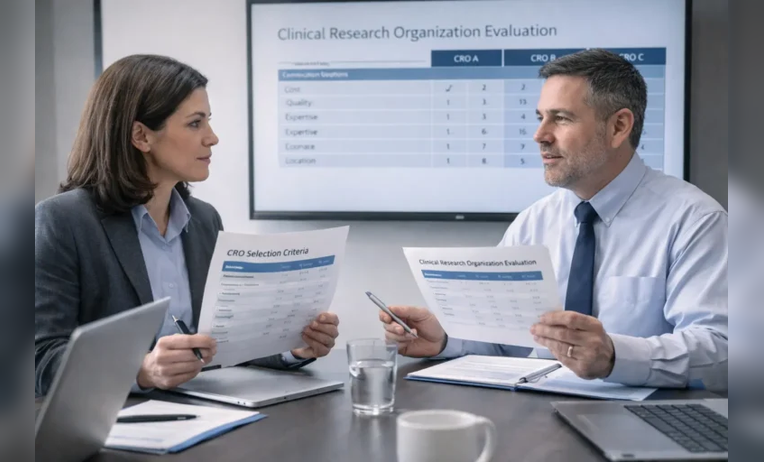

The Growing Importance of Selecting the Right CRO
Clinical development has become more challenging than ever. Sponsors face increasing regulatory requirements, rising development costs, competitive enrollment landscapes, and growing pressure to accelerate time-to-market. To address these challenges, many organizations depend on Contract Research Organizations (CROs) for operational, clinical, regulatory, and quality support.
As a result, CRO Selection and Qualification has emerged as one of the most critical activities within clinical development planning. Whether organizations begin by searching for clinical research companies near me, evaluating a clinical research organization near me, or conducting a broader cro company search, choosing the right CRO can significantly influence project success.
The right partner provides expertise, efficiency, compliance support, and scalability. The wrong partner can introduce delays, compliance concerns, quality issues, and unnecessary costs.
A structured approach to CRO selection helps sponsors build stronger partnerships and improve the likelihood of successful clinical outcomes.
Why Sponsors Outsource Clinical Research Activities
The life sciences industry increasingly relies on outsourcing because of the specialized expertise required to manage modern clinical programs.
Sponsors engage CROs to support:
- Clinical operations
- Site monitoring
- Regulatory affairs
- Data management
- Medical writing
- Pharmacovigilance
- Biostatistics
- Quality assurance
Organizations searching for contract research organization near me often seek access to expertise that may not exist internally.
By leveraging experienced research partners, sponsors can focus on strategic objectives while ensuring that day-to-day clinical activities are managed effectively.
The Business Impact of CRO Selection
Selecting a CRO affects nearly every aspect of a clinical development program.
Key business impacts include:
Study Timelines
Experienced CROs help maintain project schedules and milestone achievement.
Budget Management
Efficient resource utilization reduces unexpected costs and project overruns.
Regulatory Readiness
Strong quality systems support inspection preparedness and compliance.
Data Integrity
Effective processes help ensure reliable and accurate clinical data.
Patient Experience
Well-managed studies contribute to better patient engagement and retention.
Because of these impacts, organizations evaluating clinical research organizations near me should consider far more than geographic convenience when making decisions.
Establishing Clear Selection Criteria
Before engaging potential vendors, sponsors should define the characteristics of an ideal CRO.
Critical evaluation criteria include:
Industry Experience
Sponsors should assess the organization’s experience within:
- Pharmaceutical development
- Biotechnology research
- Medical devices
- Diagnostics
- Combination products
Therapeutic Expertise
Disease-specific knowledge often improves study performance.
Examples include:
- Oncology
- Neurology
- Rare diseases
- Cardiovascular medicine
- Infectious diseases
Geographic Presence
Some organizations begin with searches such as cros near me or cro near me, while others require global operational capabilities.
The required geographic footprint should align with study objectives.
Key Stages of CRO Qualification
Qualification verifies that a CRO possesses the necessary systems, processes, and expertise to meet sponsor expectations.
Stage 1: Preliminary Screening
The initial review assesses:
- Service offerings
- Corporate profile
- Therapeutic experience
- Geographic coverage
- Regulatory expertise
This phase helps narrow the list of potential vendors.
Stage 2: Capability Evaluation
Detailed assessments typically include:
- Staff qualifications
- Project management practices
- Technology platforms
- Quality systems
- Clinical experience
Stage 3: Proposal Assessment
Sponsors compare:
- Scope of services
- Cost structures
- Timelines
- Resource plans
- Risk management strategies
Stage 4: Qualification Audit
Audits validate information gathered during previous stages and provide direct insight into operational maturity.
What Makes a CRO Truly Qualified?
Many providers offer similar service portfolios, but several characteristics distinguish top-performing organizations.
Strong Quality Culture
Quality should be integrated into every aspect of operations.
Indicators include:
- Effective SOP management
- Continuous improvement initiatives
- CAPA effectiveness
- Employee training programs
Regulatory Expertise
Successful CROs understand evolving requirements from major health authorities.
Experienced Teams
The quality of personnel often determines the quality of study execution.
Operational Consistency
Sponsors benefit from partners that consistently deliver reliable results across projects.
Technology’s Role in Modern CRO Evaluation
Technology capabilities have become increasingly important during qualification.
Sponsors evaluating a clinical research organization near me should assess available systems and digital capabilities.
Important technologies include:
Clinical Trial Management Systems
These platforms support project planning, tracking, and reporting.
Electronic Data Capture
Modern EDC systems improve data quality and operational efficiency.
Risk-Based Monitoring Tools
Advanced monitoring approaches help focus resources on critical study activities.
Data Analytics Platforms
Real-time insights improve decision-making throughout the trial lifecycle.
Technology maturity is often a strong indicator of organizational capability.
CRO Selection Considerations for Emerging Biotech Companies
Startup organizations face unique challenges when evaluating research partners.
Many founders begin networking through searches such as biotechs near me, biotech lab near me, or bioengineering companies near me while building development ecosystems.
Emerging companies often require CROs capable of providing:
- Strategic guidance
- Regulatory support
- Clinical expertise
- Vendor coordination
- Flexible engagement models
Because internal resources may be limited, CRO selection becomes particularly important for startup success.
A strong CRO can effectively function as an extension of the sponsor’s team.
Common Mistakes During CRO Selection
Even experienced organizations can make selection errors.
Choosing Based Solely on Price
Lowest-cost providers do not always deliver the greatest value.
Overlooking Quality Systems
Insufficient review of quality processes can create future compliance risks.
Failing to Assess Cultural Fit
Strong partnerships depend on collaboration and communication.
Ignoring Scalability
A CRO must be capable of supporting future growth and changing program requirements.
Insufficient Due Diligence
Thorough qualification helps identify risks before contracts are signed.
Organizations conducting a cro company search should use a structured process to avoid these common mistakes.
Building a Risk-Based Qualification Program
Regulatory agencies increasingly emphasize risk management within outsourced activities.
A risk-based qualification approach evaluates:
Critical Activities
Functions directly affecting:
- Patient safety
- Data integrity
- Regulatory compliance
Vendor Complexity
Assessment factors include:
- Service scope
- Geographic reach
- Operational complexity
Oversight Requirements
Higher-risk vendors generally require enhanced monitoring and governance.
This approach improves efficiency while maintaining strong compliance oversight.
Long-Term Vendor Oversight and Performance Management
Qualification should not be viewed as a one-time event.
Ongoing oversight is essential for maintaining performance.
Key oversight activities include:
Performance Reviews
Regular evaluations support continuous improvement.
Governance Meetings
Routine communication helps identify issues early.
Audit Programs
Periodic audits verify ongoing compliance.
Quality Metrics Monitoring
Tracking KPIs provides visibility into operational performance.
Sponsors evaluating contract research organizations near me should ensure that vendors are willing to participate in structured oversight programs.
Trends Influencing Future CRO Selection
The CRO industry continues to evolve in response to changing clinical development requirements.
Important trends include:
Decentralized Clinical Trials
Remote participation models are transforming study execution.
Artificial Intelligence
AI tools are improving forecasting, recruitment, and risk identification.
Real-World Data Integration
Additional data sources are expanding research capabilities.
Global Collaboration Models
Sponsors increasingly require seamless international coordination.
Organizations searching for clinical trial companies near me may eventually require CROs capable of supporting global research initiatives.
Why Structured CRO Qualification Creates Competitive Advantage
A comprehensive qualification process provides benefits beyond compliance.
Organizations gain:
- Improved vendor performance
- Reduced project risk
- Better resource utilization
- Stronger regulatory readiness
- Greater confidence in outsourcing decisions
Whether evaluating a clinical research organization near me, comparing clinical research companies near me, researching clinical research organizations near me, reviewing contract research organizations near me, assessing a contract research organization near me, searching for cro’s near me, or conducting a comprehensive cro company search, a disciplined CRO Selection and Qualification framework helps organizations identify partners capable of supporting long-term development success.
In an increasingly competitive life sciences environment, selecting the right CRO remains one of the most important decisions sponsors can make.
Frequently Asked Questions
What is CRO Selection and Qualification?
CRO Selection and Qualification is the process of identifying, evaluating, auditing, and approving a Contract Research Organization to ensure it meets operational, quality, and regulatory requirements.
Why is CRO qualification necessary?
Qualification helps sponsors verify that a CRO has the expertise, systems, resources, and quality controls needed to support clinical development activities.
How do organizations find qualified CROs?
Many companies begin with searches such as clinical research companies near me, clinical research organization near me, or contract research organizations near me, followed by formal vendor evaluations.
What should sponsors review during CRO qualification?
Sponsors should assess quality systems, regulatory history, operational capabilities, staffing, technology infrastructure, and financial stability.
How often should CROs be audited?
Audit frequency typically depends on vendor risk classification, service criticality, and regulatory requirements.
What is the biggest benefit of selecting the right CRO?
The right CRO can improve study quality, reduce development risk, strengthen compliance, and accelerate clinical timelines.
Do startup biotech companies need CRO qualification support?
Yes. Emerging biotech organizations often have limited internal resources and benefit from structured vendor evaluation and oversight processes.
What are the risks of poor CRO selection?
Potential consequences include project delays, increased costs, quality issues, regulatory findings, and compromised study outcomes.
Can local CROs support global studies?
Some CROs offer international capabilities, while others focus on regional operations. Sponsors should evaluate geographic coverage based on study requirements.
How does CRO qualification improve regulatory compliance?
Qualification verifies that vendors maintain appropriate systems, procedures, and controls to meet regulatory expectations and support inspection readiness.