Pre-Approval Inspection Benefits: FDA Compliance Guide
Pre-approval inspections are a crucial step in the regulatory process. They ensure that products meet FDA standards before reaching the market.
These inspections focus on manufacturing processes and quality systems. They help identify potential compliance issues early, reducing risks.
Understanding the benefits of pre-approval inspections is vital for medical device manufacturers. It ensures product safety and regulatory compliance.
FDA regulatory consulting services play a key role in this process. They provide expertise and guidance to navigate complex regulations.
This article explores the importance of pre-approval inspections. It offers insights into best practices and the role of consulting services.
What Is a Pre-Approval Inspection?
A pre-approval inspection is a thorough evaluation conducted by the FDA. It ensures a company’s compliance with regulatory standards before a product launch. This step is crucial in the approval process for new products, especially in the healthcare sector.
These inspections assess various aspects. They include manufacturing processes, quality control systems, and regulatory adherence. Ensuring each component meets FDA standards is essential for a successful product launch.
During a pre-approval inspection, the FDA may evaluate:
- Manufacturing facilities and equipment
- Documentation and records
- Quality management systems
Such inspections are critical in highlighting compliance issues early. Addressing these issues reduces the risk of future product recalls or delays. Companies must be well-prepared to demonstrate full compliance with FDA requirements.
The importance of pre-approval inspections cannot be overstated. They ensure that products are safe for consumers and meet the expected standards. They act as a safety net, preventing potential defects from reaching the market.
Why Are Pre-Approval Inspections Important?
Pre-approval inspections play a pivotal role in ensuring product safety and compliance. They help companies identify any potential issues before a product hits the market. By doing so, inspections safeguard public health and maintain consumer trust.
The importance of these inspections extends beyond meeting regulatory requirements. They ensure the integrity of manufacturing processes and quality systems. This focus on quality reduces the likelihood of costly recalls and protects a company’s reputation.
Key benefits of pre-approval inspections include:
- Enhanced product safety and efficacy
- Early detection of compliance issues
- Strengthened consumer trust
Through these inspections, companies gain insights into their operations and regulatory expectations. They foster a culture of continuous improvement and quality assurance. Ultimately, pre-approval inspections are vital for companies aiming to succeed in a competitive market.
The FDA’s Role and What Is Regulated
The FDA is crucial in overseeing the safety and efficacy of numerous products. These range from food and pharmaceuticals to medical devices and cosmetics. By enforcing strict standards, the FDA helps protect public health and trust.
The agency regulates a wide variety of products to ensure they meet health and safety standards. Medical devices and drugs are subject to rigorous scrutiny. The FDA’s regulations are designed to ensure that all products comply with safe manufacturing practices.
Key areas regulated by the FDA include:
- Pharmaceuticals and medical devices
- Food products and dietary supplements
- Cosmetics and tobacco products
Understanding the scope of FDA regulation is essential for compliance. Companies must stay informed about current guidelines and expectations. Keeping abreast of FDA standards helps in navigating the complex regulatory landscape. This proactive approach can significantly enhance a company’s market success and product quality.
Key Steps in the Pre-Approval Inspection Process
Pre-approval inspections involve various essential steps that ensure regulatory compliance. These steps help in evaluating manufacturing processes and quality systems. Each step is critical for identifying potential issues.
The process starts with an FDA notification. Once informed, the company must prepare for the inspection. This preparation involves gathering necessary documentation and ensuring facility readiness.
Key steps in the process include:
- Documentation Review: Ensure all records are up-to-date.
- Facility Preparation: Conduct internal audits to assess readiness.
During the inspection, FDA inspectors will review processes, systems, and compliance levels. This includes checking if quality controls are being followed meticulously. It’s vital to maintain clear communication during the inspection to address any concerns.
After the inspection, a close-out meeting occurs. In this meeting, the FDA shares initial findings. Companies may receive feedback or notice of potential deficiencies. Addressing these promptly is crucial for a successful outcome.
To maximize success, companies should leverage best practices. Regular training and updates on regulatory changes aid in compliance. A systematic approach ensures smooth navigation through the pre-approval inspection process.
Inspection Readiness: Best Practices and Tools
Inspection readiness is fundamental to successful pre-approval inspections. Being prepared helps ensure compliance and smooth processes. Implementing best practices is key.
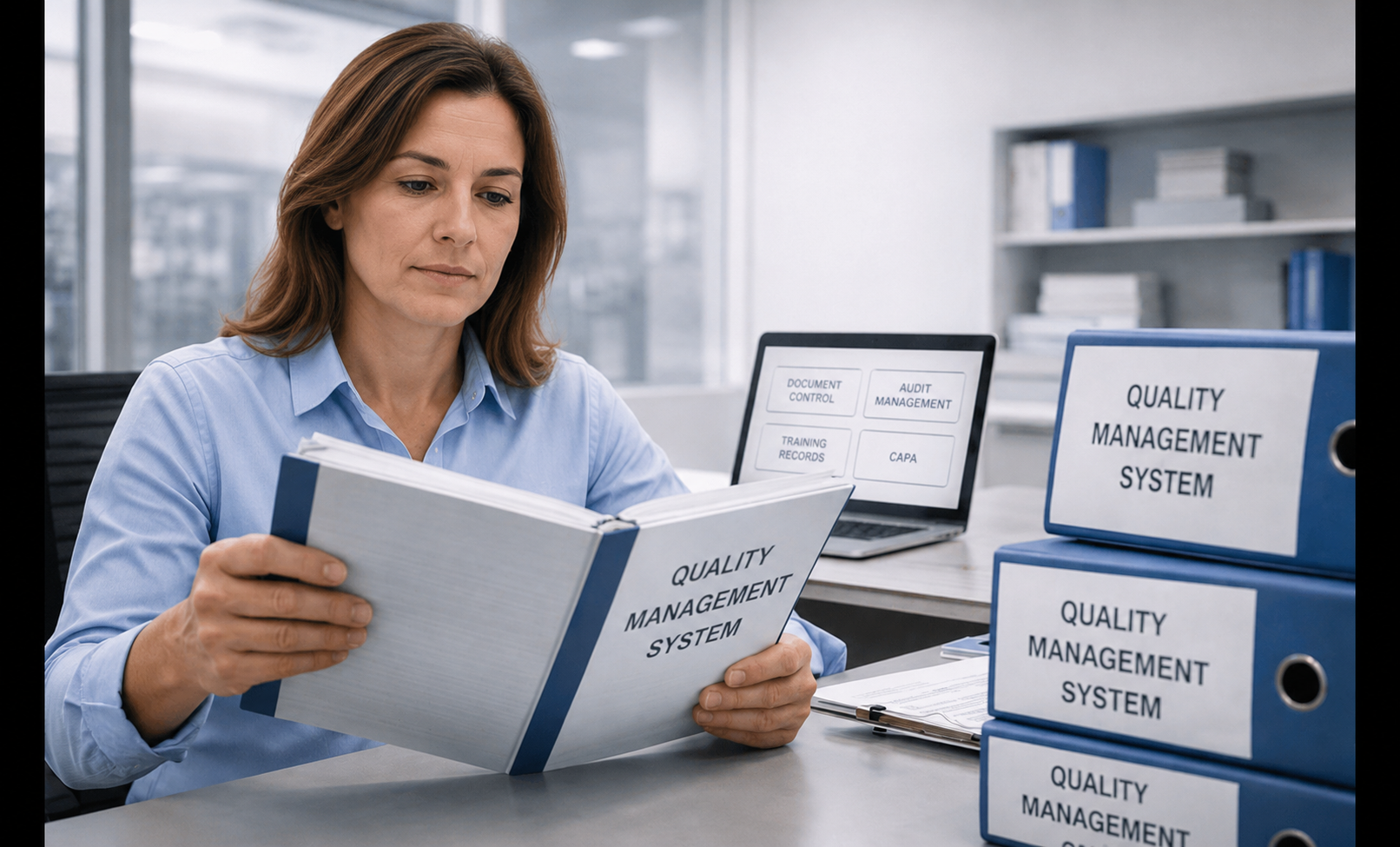
The first step in readiness is establishing a thorough quality management system. This system should cover all aspects of operations and ensure that processes meet FDA standards. Regular reviews of this system enhance readiness.
Here are some best practices to follow:
- Conduct periodic mock inspections.
- Maintain up-to-date and accessible documentation.
- Train staff on current FDA regulations.
Using the right tools can streamline preparation. Inspection readiness checklists are crucial for ensuring all items are addressed. Various digital tools and software can help manage compliance tasks efficiently.
These are recommended tools for readiness:
- Checklist Software: Facilitates tracking of inspection tasks.
- Training Management Systems: Ensures consistent staff training on compliance updates.
Regular internal audits are vital. They help identify potential issues before official inspections. Furthermore, audits enable continuous improvement of processes and systems.
Ultimately, integrating these best practices and tools into daily operations can significantly enhance inspection readiness. It helps minimize risks and ensures adherence to regulatory requirements. Being prepared supports successful navigation through the complexities of pre-approval inspections.
The Value of FDA Regulatory Consulting Services
FDA regulatory consulting services provide essential guidance for companies navigating complex compliance landscapes. These consultants offer expertise in FDA regulations, helping businesses prepare effectively for inspections. Their insights can streamline the approval process, reduce risks, and ensure compliance.
Engaging with regulatory consultants early in product development can be highly beneficial. They can identify potential issues and recommend strategic approaches. This proactive involvement can enhance a company’s ability to meet regulatory requirements and avoid costly errors.
Key benefits of using FDA regulatory consulting services include:
- Expertise in navigating complex FDA regulations.
- Tailored strategies to address specific compliance challenges.
- Assistance in preparing for pre-approval inspections.
With the ever-evolving landscape of FDA regulations, staying informed can be challenging. Regulatory consultants keep companies updated on changes and trends, which is crucial for ongoing compliance. Their role is pivotal in optimizing regulatory processes and ensuring that companies achieve successful market access for their products.
Mock Inspections and Internal Audits
Mock inspections and internal audits are crucial tools for ensuring readiness before an official FDA inspection. These preparatory steps help identify weaknesses in compliance processes. By addressing these issues early, companies can strengthen their inspection readiness.
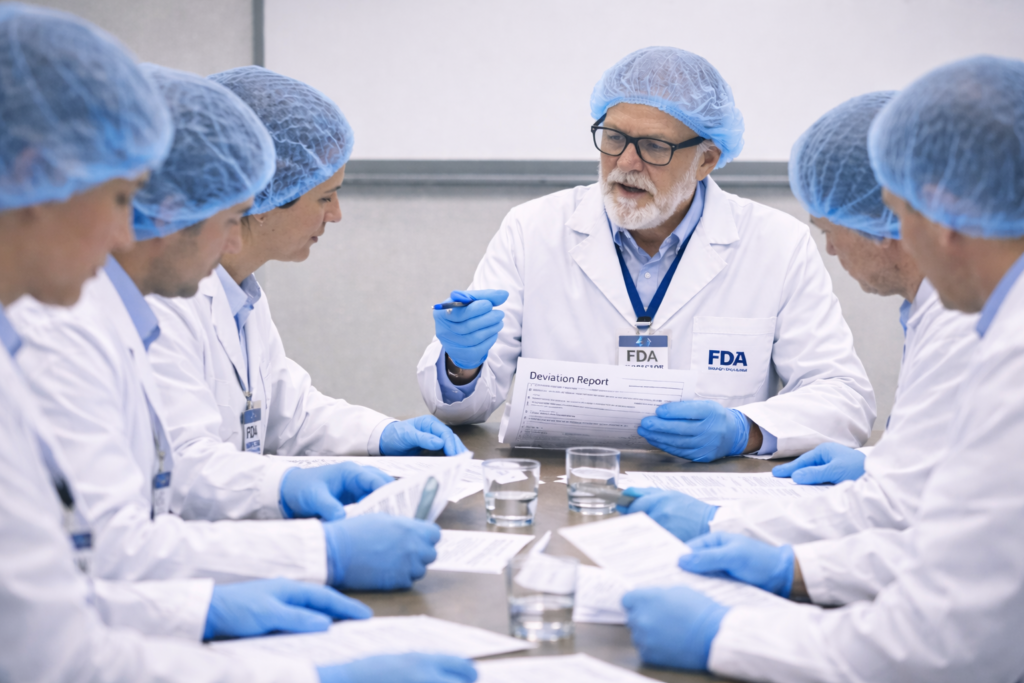
Mock inspections simulate actual FDA inspections, providing a realistic view of what to expect. This simulation allows companies to practice responding to potential questions and document requests, reducing surprise elements during actual inspections. Internal audits focus on evaluating the efficacy of quality systems and adherence to regulatory requirements.
Benefits of conducting mock inspections and internal audits include:
- Identifying compliance gaps before official inspections.
- Enhancing staff preparedness and confidence.
- Improving quality management systems.
Regular mock inspections and audits ensure continuous improvement and adherence to best practices. These activities play a key role in fostering a culture of compliance within organizations. Empowering teams through practice and preparation builds resilience against regulatory challenges, ensuring better outcomes when facing real FDA evaluations.
Common Challenges and How to Overcome Them
Navigating pre-approval inspections can be complex. Common challenges include documentation errors, inadequate staff training, and misunderstanding regulatory standards. Companies often face these hurdles due to insufficient preparation or lack of experience.
Addressing these challenges requires strategic planning. Begin by ensuring all documentation is accurate and up-to-date. Regular training sessions can equip staff with the knowledge to handle inspection demands effectively. It’s also vital to stay informed about the latest FDA standards and guidelines to avoid compliance gaps.
Practical steps for overcoming challenges include:
- Implementing robust document management systems.
- Conducting periodic staff training and refresher courses.
- Engaging with experienced FDA regulatory consultants.
By anticipating and addressing these challenges proactively, companies can better navigate the complexities of pre-approval inspections. Adopting a structured approach ensures smoother processes and increases the likelihood of successful outcomes.
Case Study: Successful Pre-Approval Inspection for a Medical Device
A mid-sized medical device company recently faced a critical pre-approval inspection. Their product, an innovative neuromodulation device, had already received FDA breakthrough device designation. With potential market success on the line, this inspection was crucial for their product launch.
The company leveraged FDA regulatory consulting services, ensuring meticulous preparation. They conducted mock inspections and utilized comprehensive readiness checklists. These measures proved invaluable, as the FDA found minimal deficiencies.
Key strategies in their successful process included:
- Engaging experienced FDA consultants early.
- Conducting regular internal audits.
- Implementing a thorough training program for staff.
This case highlights the benefits of structured preparation and expert consultation. By investing in these efforts, the company secured a smooth inspection and paved the way for their device’s market entry.
Conclusion: Maximizing the Benefits of Pre-Approval Inspections
Pre-approval inspections play a vital role in ensuring regulatory compliance. These inspections are not just a regulatory hurdle, but a strategic opportunity. They help identify potential issues early and improve product quality.
Preparation is key to maximizing these benefits. By implementing best practices and using available tools, companies can enhance their inspection readiness. Mock inspections, internal audits, and utilizing specialized consulting services are crucial steps in this preparation.
Engaging with FDA regulatory consultants provides invaluable insights and expertise. This collaboration can streamline the path to approval and mitigate compliance risks. Ultimately, a successful inspection not only guarantees market access but also reinforces a commitment to public safety and product excellence.