Pre-approval inspections are a crucial step in the regulatory process. They ensure that products meet FDA standards before reaching the market. These inspections focus on verifying the quality management systems of manufacturers.
Understanding the benefits of pre-approval inspections can help companies avoid compliance issues. Early identification of potential problems is key to maintaining product safety and efficacy. This proactive approach can save time and resources in the long run.
FDA regulatory consulting services play a vital role in preparing for these inspections. They offer expertise in navigating complex regulatory requirements. Companies can benefit from their guidance to achieve inspection readiness.
The FDA regulates a wide range of industries, including pharmaceuticals and medical devices. Knowing what is regulated by the FDA is essential for compliance. This knowledge helps companies align their processes with regulatory expectations.
In this article, we will explore the importance of pre-approval inspections. We will also discuss best practices for inspection readiness and the role of consulting services. Understanding these aspects can enhance compliance and product success.
What Is a Pre-Approval Inspection?
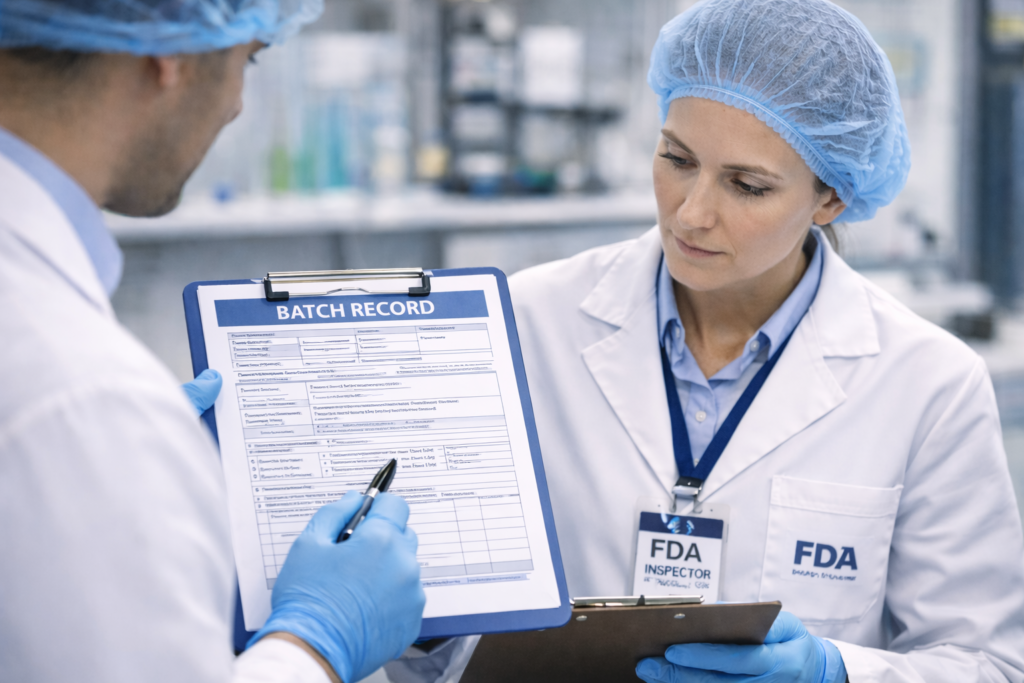
A pre-approval inspection (PAI) assesses a manufacturer’s ability to meet regulatory standards before a product is marketed. Conducted by the FDA, this inspection verifies the quality management systems in place. It ensures compliance with FDA regulations, focusing on data accuracy and product safety.
These inspections involve a comprehensive review of the manufacturing processes. They check if the company’s operations align with submitted data in applications. This process helps identify any discrepancies early, mitigating future compliance risks.
During a PAI, inspectors may evaluate the following:
- Quality control procedures
- Equipment and facilities
- Personnel qualifications
- Manufacturing processes
- Record-keeping practices
The PAI plays a critical role in confirming that the manufactured product matches the specifications detailed in the application. By ensuring manufacturers adhere to these standards, the FDA protects public health. Companies that successfully pass a pre-approval inspection gain confidence in their compliance status.
Pre-approval inspections are an integral part of the regulatory landscape. They assure both regulators and manufacturers that a product is safe, effective, and ready for public distribution. Understanding this inspection’s scope can help companies better prepare and achieve compliance.
Why Are Pre-Approval Inspections Important?
Pre-approval inspections are vital for ensuring product safety and efficacy. They help verify that manufacturing processes conform to regulatory standards. This is essential before a product reaches the market.
These inspections protect public health by detecting potential compliance issues early. Identifying problems before market release allows companies to address them proactively. This reduces the risk of costly recalls or delays.
The significance of PAIs extends beyond compliance checks. They provide:
- Assurance of product quality
- Verification of process accuracy
- Confidence in production capabilities
For manufacturers, the successful completion of a PAI can enhance brand reputation. It shows dedication to maintaining high standards in product development. This commitment builds trust with consumers and regulatory bodies alike. By ensuring all processes meet FDA standards, companies can better safeguard their business interests. This also ensures a smoother pathway to market entry, which is critical in today’s competitive landscape.
The FDA’s Role and What Is Regulated
The FDA plays a crucial role in safeguarding public health. It ensures that products are safe, effective, and properly labeled. This involves regulating a wide array of industries and products.
Primarily, the FDA regulates pharmaceuticals, medical devices, and food products. These sectors rely on the FDA to set and enforce standards. Compliance with these standards is necessary for market entry.
Products and industries regulated by the FDA include:
- Prescription and over-the-counter drugs
- Medical devices and radiation-emitting products
- Food and dietary supplements
Besides these, the FDA also oversees cosmetics and tobacco products. Its comprehensive regulatory framework helps maintain public confidence. This trust is essential as it assures consumers that products are safe. Thus, the FDA’s oversight is both a protective measure and a quality benchmark for industries. By understanding what the FDA regulates, companies can better align their practices with legal requirements. This alignment is key to successful inspections and market success.
Key Steps in the Pre-Approval Inspection Process
The pre-approval inspection process involves several critical steps. Each step ensures compliance and verifies the integrity of the application data. Understanding this process can help companies prepare effectively.
First, the FDA reviews the submitted application. This review determines whether a pre-approval inspection is necessary. If required, the FDA schedules an inspection to assess the facility.
Next, the inspection team visits the manufacturing site. They evaluate the quality management systems in place. This includes reviewing manufacturing processes and employee training programs.
Two important components of a pre-approval inspection are:
- Verification of submitted data: Ensuring consistency with the application.
- Evaluation of production controls: Assessing if they meet FDA standards.
After completing the inspection, the FDA team compiles their findings. Any discrepancies or compliance issues are documented. The company is then notified of these findings.
To address any issues, companies often undertake corrective actions. Timely resolution is crucial for approval. This proactive approach not only aids in compliance but also facilitates a smoother approval process. Ensuring that these steps are rigorously followed can greatly enhance the likelihood of successful market entry.
Inspection Readiness: Best Practices for Success
Achieving inspection readiness is crucial for passing pre-approval inspections. Preparation involves a comprehensive approach, addressing all potential compliance areas. Companies should focus on maintaining updated documentation and robust processes.
Regular training sessions for staff can improve preparedness. Employees should understand their roles in maintaining compliance. A well-informed team is more likely to ensure inspection success.
Engaging in regular mock inspections helps identify gaps in readiness. These practice inspections simulate real FDA audits. They allow companies to test their preparedness and make necessary adjustments.
Here are some best practices to consider:
- Maintain a clean and organized facility.
- Update documentation regularly to reflect current practices.
Thorough preparation can include creating detailed checklists. These tools ensure no aspect of compliance is overlooked. Inspections are less daunting when companies feel well-prepared.
Some helpful checklists include:
- Quality Management System Checklists: Assess documentation and processes.
- Employee Training Records: Verify all necessary trainings are completed.
Leveraging these best practices can streamline the inspection process. Success in pre-approval inspections depends on thorough preparation and adherence to FDA standards. Regularly updating practices ensures ongoing compliance and readiness.
Common Challenges and How to Overcome Them
Pre-approval inspections can present various challenges for companies. One common issue is the lack of proper documentation. Insufficient documentation can lead to compliance issues and delays in approval.
Another challenge is the inconsistent application of standard operating procedures (SOPs). This inconsistency can result in regulatory discrepancies. Companies must ensure that SOPs are consistently followed throughout the organization.
Resource constraints also pose challenges in preparing for inspections. Limited resources can hinder thorough preparation. Companies need effective strategies to allocate resources efficiently.
To overcome these challenges, consider the following:
- Enhance Documentation Practices: Implement rigorous documentation standards.
- Train Employees on SOPs: Conduct regular training and assessments.
- Efficient Resource Allocation: Prioritize tasks that directly impact compliance.
By addressing these areas, companies can effectively manage potential obstacles. This proactive approach helps streamline the inspection process, reducing the likelihood of setbacks. Thorough preparation and strategic management ensure smoother inspections and increase the chances of successful outcomes.
The Role of FDA Regulatory Consulting and Support Services
FDA regulatory consulting plays a pivotal role in navigating complex compliance landscapes. Consultants provide valuable insights and strategies for pre-approval inspections. Their expertise can significantly impact a company’s readiness and overall success.
Consulting services offer a range of specialized support. This includes guidance on the latest FDA standards and regulations. Consultants work closely with companies to address specific compliance needs. Their hands-on approach ensures tailored solutions that align with business objectives.
Some key benefits of FDA regulatory consulting services include:
- Comprehensive Gap Analysis: Identify and address compliance gaps.
- Mock Inspections: Simulate audits to prepare teams effectively.
- Regulatory Strategy Development: Create plans aligned with FDA requirements.
by Headway (https://unsplash.com/@headwayio)
By leveraging these services, companies can enhance their compliance strategies. Consultants not only help in preparing for inspections but also in maintaining ongoing compliance. This partnership fosters a proactive culture of quality, ensuring that companies are well-equipped to meet FDA expectations. Embracing such support services ultimately reduces risks and accelerates the path to market.
Tools and Checklists for Effective Inspection Preparation
Preparing for a pre-approval inspection requires meticulous planning. Utilizing specific tools and checklists can significantly streamline the process. These resources ensure that no detail is overlooked.
Key tools for inspection preparation include:
- FDA Audit Software: Automates documentation and tracks compliance status.
- Project Management Tools: Facilitates team coordination and task management.
Checklists play a crucial role in maintaining consistency and thoroughness. They guide teams through essential steps, reducing the chance of errors.
Essential checklists to consider:
- Pre-Inspection Checklist: Outlines all necessary documents and protocols.
- Quality Management Checklist: Assesses compliance with FDA regulations.
by Vitaly Gariev (https://unsplash.com/@silverkblack)
By incorporating these tools and checklists, companies can enhance their inspection readiness. This organized approach not only boosts confidence but also ensures comprehensive compliance. Ultimately, these resources equip organizations to face inspections with thorough preparation and minimal stress.
Case Study: Pre-Approval Inspection for a Medical Device
In a recent case, a medical device manufacturer faced a critical pre-approval inspection. The company had developed an innovative neuromodulation device requiring FDA clearance. Their preparation involved a comprehensive strategy focused on ensuring compliance and demonstrating efficacy.
Key aspects of their successful inspection included:
- Thorough Documentation: Ensuring all regulatory documents were complete.
- Mock Inspections: Simulating real audits to identify potential gaps.
- Cross-Functional Team: Engaging experts from various departments for diverse insights.
The manufacturer also utilized advanced inspection readiness tools, making their preparation seamless. As a result, the FDA approved their device without significant issues. This case underscores the importance of strategic planning and comprehensive readiness in securing successful pre-approval inspections.
Conclusion: Maximizing the Benefits of Pre-Approval Inspections
Pre-approval inspections offer significant advantages for ensuring compliance and product safety. By addressing potential issues early, companies safeguard against future regulatory challenges.
Utilizing best practices in preparation, along with expert FDA consulting services, enhances inspection readiness. This proactive approach not only streamlines the approval process but also builds confidence in the quality of your product. Embrace these inspections as opportunities to reinforce and improve your quality systems.