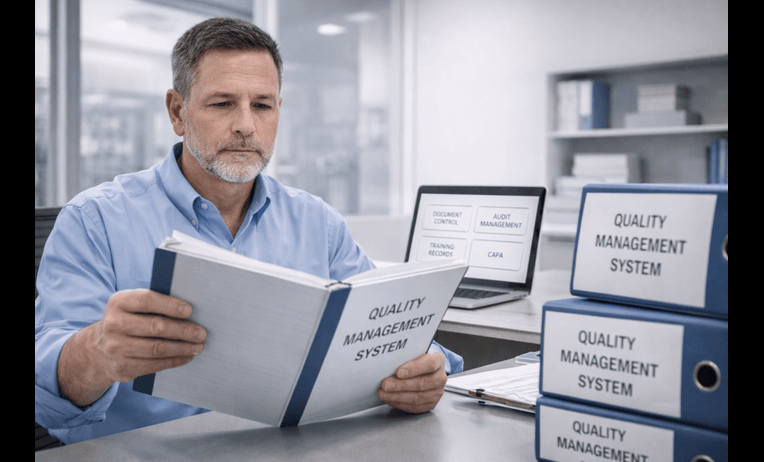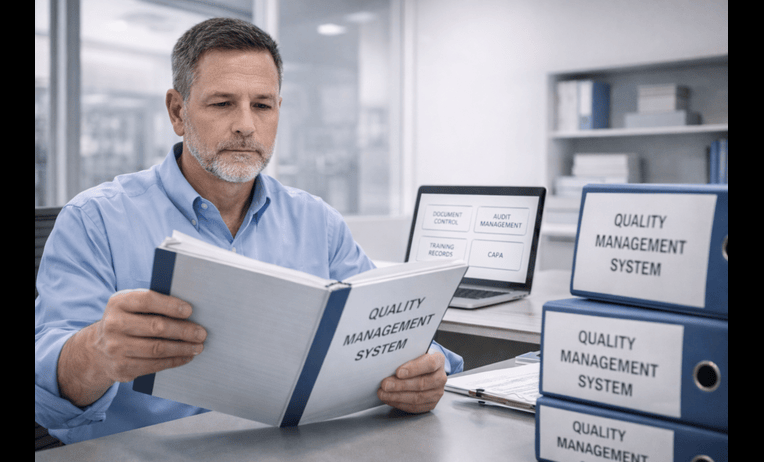

In today’s fiercely competitive global market, operational efficiency and uncompromising product standards are non-negotiable. Whether you are running a boutique tech firm or a sprawling manufacturing plant, achieving a quality management systems certification is one of the most powerful steps to achieve operational excellence.
This credential proves to clients, stakeholders, and regulators that your business operates under rigorous standards. Beyond merely hanging a certificate on the wall, the journey toward becoming an iso certified organization inherently transforms your internal processes.
Let’s explore the manifold benefits of this certification, the tools required, and the best practices for implementing a robust Quality Management System (QMS).
The Core Value of Quality Management
At its heart, a QMS aligns your business with proven Total Quality Management principles and framework. By emphasizing customer focus, leadership, and the continuous improvement cycle in ISO standards, organizations create a distinct improvement structure that drives sustainable growth.
When comparing frameworks, leaders often look at the benefits of ISO 9001 vs Six Sigma. While Six Sigma focuses heavily on defect reduction through statistical analysis, ISO 9001 establishes the foundational management system that prevents those defects from occurring in the first place. Incorporating risk-based thinking in quality management ensures that leaders identify potential hurdles before they impact the bottom line.
Understanding Accreditation vs. Certification
Before diving into implementation, it is vital to understand the difference between accreditation and certification. A company receives a quality system certification to show it complies with a standard like ISO 9001. However, the body issuing that certificate must be an accredited entity. The role of an accredited registrar (or registered certification body) is to impartially audit your organization and grant the certification. Working with reputable bodies, such as getting a bsi iso certification, adds global credibility.
Navigating the Standards: Documentation and Compliance
Obtaining a quality management systems certification starts with understanding documentation. For example, a common question is: is a quality manual required for iso 9001? The 2015 update removed the strict requirement for a formal quality manual, but quality manual documentation requirements remain critical for outlining your processes. Many businesses still refer to a standard iso 9001 quality management system pdf template to map out their procedures.
A successful QMS relies heavily on a robust corrective and preventive action process (CAPA) and clear standard operating procedures for quality control. To prepare for audits, organizations often utilize an internal audit checklist for compliance and perform a thorough gap analysis for international standards compliance.
Choosing the Right QMS Software
Managing compliance manually is practically impossible today. So, what is qms software? It is a digital framework designed to automate and streamline compliance.
From legacy programs to modern cloud-based quality management software systems, the market is vast. If you are exploring a digital transition, evaluating how to choose qms software involves understanding your specific needs, evaluating qms software pricing, and identifying which qms software has the highest customer reviews.
Here is a breakdown of digital solutions:
- Enterprise quality management software systems: Designed for large corporations needing a comprehensive quality management suite or quality management platform.
- Quality management software for small business: Scaled-down, affordable qms programs. An effective quality management system for small business focuses on core features without overwhelming the user.
- Electronic QMS: Moving from paper to an online quality management system or electronic quality management system software eliminates physical clutter.
For a smooth transition, understanding how to migrate to new qms software and exactly how to implement qms software are vital steps. Leadership must evaluate the best quality management system software that acts as both an iso compliance software and a broader quality management solution.
Next-Generation QMS Tools
The best quality management system today incorporates cutting-edge technology. An artificial intelligence quality management system or a machine learning quality management system can predict non-conformances before they happen. Finding the right qms tool (or suite of qms tools) helps automate the quality management review and the overarching quality management system review.
Streamlining Document Control
At the core of any QMS is a robust quality document management system. How qms software streamlines document control is by providing version control, automated approval routing, and secure archiving.
Whether you need a specialized manufacturing document management software, a quality document management system software, or a general document management system for quality management, digitization ensures that every employee accesses the correct, most up-to-date procedures. Using online quality management system software prevents costly errors associated with outdated manual processes.
Industry-Specific Quality Management Solutions
Different industries face uniquely stringent regulations. The best quality management systems for regulated industries provide tailored features to meet distinct legal frameworks.
Manufacturing and Tech
For heavy industry, utilizing a specific quality management system software for manufacturing (or quality management system software for manufacturing industry) is essential. This often integrates with a supply chain management tool to track raw materials. Those in the aerospace sector will also need an as9100 standard overview iaqg to ensure their software qms meets defense standards.
Conversely, the best quality management systems for small software firms or the best quality management software for tech companies focus heavily on bug tracking, code reviews, and agile integrations via agile software quality management systems.
Medical, Pharma, and Life Sciences
Life sciences demand absolute precision. Exploring qms tools in pharma leads companies to specialized qms software for pharma industry compliance (often branded as pharma qms software). Additionally, laboratories rely on a dedicated lab quality management system.
Medical device manufacturers must navigate rigorous tracking. Organizations are currently evaluating the best medical quality management systems compliance tracking 2025 has to offer. Integrating the best medical quality management systems ensures alignment with FDA regulations and risk management frameworks.
The Cost of Compliance and Small Business Implementation
Understanding the cost of getting ISO 9001 certified is crucial for budgeting. Costs vary depending on company size and existing infrastructure. While searching for an exact iso 9001 price list can be difficult as registrars provide custom quotes, investing in an affordable quality management system software for small business can offset auditing costs by reducing prep time.
Following clear ISO 9001 implementation steps for small businesses—such as securing leadership buy-in, training staff, and performing internal audits ensures a smooth path to certification.
Audits, Training, and Professional Development
Software alone cannot run a QMS; skilled personnel are the backbone of quality management systems development. A well-defined quality systems manager job description details the need for both technical software knowledge and interpersonal leadership.
Auditor and Systems Training
For internal compliance, organizations rely on iso audit software and comprehensive iso internal audit training. Preparing staff with an iso 9001 internal auditor certification or general iso internal auditor training ensures you are ready when the registrar arrives. It is also important to know how to prepare for a QMS external audit to avoid major non-conformances.
External audits are typically led by an iso 9001 lead auditor. Many professionals seek bsi lead auditor training to elevate their careers.
Expanding Quality Knowledge
Organizations should foster continuous quality management learning. There are numerous avenues for professional development:
- Quality management system course / quality management system training: Basic introductions to QMS.
- Quality management systems training / qms training: Broader programs covering multiple frameworks.
- Certified quality manager & certified quality engineer cqe: Prestigious credentials from bodies like ASQ.
- Quality control technician training & qc certification: Practical, hands-on training for floor workers.
- Software quality analyst certification / qa analyst course / quality analyst certification: For those focusing on tech and software.
For specific niches, courses like iso 14971 training, iso 14971 risk management training (for medical devices), and iso 22000 training (for food safety) are indispensable. Finding local quality assurance classes near me or engaging with online learning portals (often accessed via a quality matters login or myqm login) keeps your team’s skills sharp.
Best Practices and Final Tips
Implementing a qms quality management system software is an ongoing journey. Here are some fundamental quality management best practices and quality management tips:
- Embrace Electronic Solutions: Utilize an electronic quality management systems or quality management software solutions to eliminate human error. Look for comprehensive quality management systems software (or quality system software / quality system management software).
- Integrate QSR: Ensure your system addresses qsr quality (Quality System Regulation) if you operate in regulated device manufacturing.
- Future-Proof: As you look toward the future, seek out the best quality management systems for regulated industries 2025 to ensure your quality management system qms iso standards compliance software won’t become obsolete.
- Leverage Analytics: Use your qms solution or quality assurance management software to track KPIs actively.
In conclusion, investing in a robust QMS and achieving certification yields dividends far beyond compliance. It builds a resilient, efficient, and highly respected organization. By thoughtfully combining the right frameworks, highly trained personnel, and top-tier digital tools, your business will consistently deliver excellence.