Have you ever wondered why a burger at a global chain tastes exactly the same in London as it does in New York? It isn’t magic, and it certainly isn’t the work of a master chef in every kitchen. In the business world, “quality” rarely means luxury. Instead, true quality is simply about consistency.
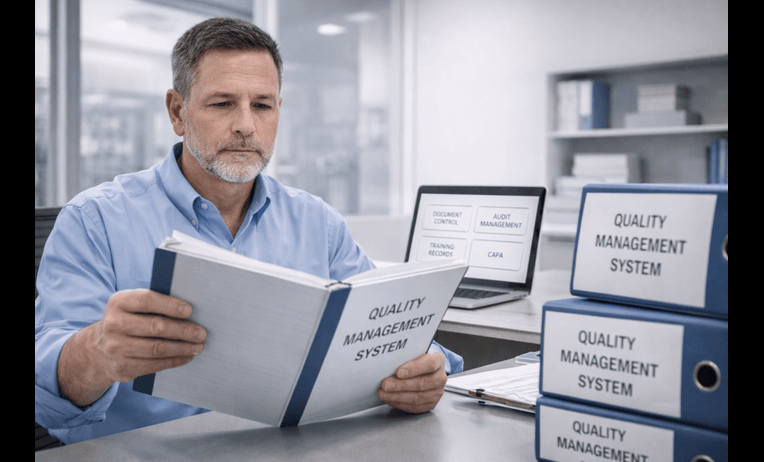
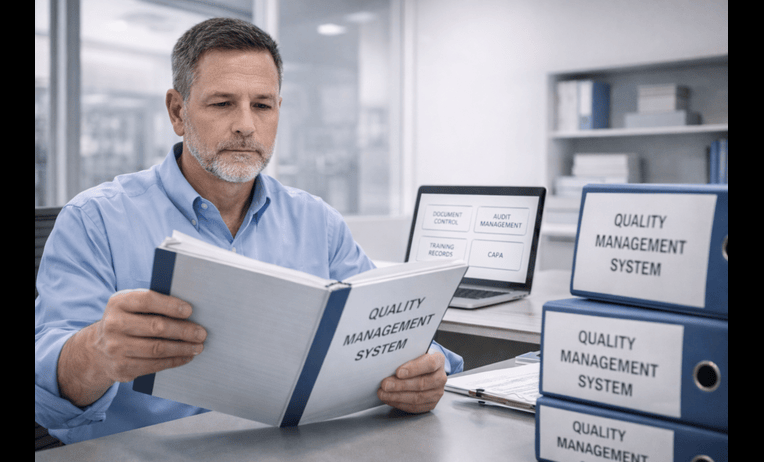
Behind that predictable meal sits a formal Quality Management System. Think of this QMS as a company’s ultimate playbook or master recipe. It captures exactly how to do things right, step-by-step, so that every single employee can follow the same rules to deliver the exact same result.
Consumer research shows that buyers actually prefer reliable, predictable outcomes over occasional flashes of excellence. We want a guarantee that what we pay for today matches what we bought yesterday. Earning a quality management systems certification proves that a business has stopped relying on luck and started relying on proven, repeatable habits.
Becoming an iso certified organization acts like an outside health checkup for those daily routines. Independent experts review the company’s playbook to ensure the team actually follows their own rules. Ultimately, this outside stamp of approval builds deep trust, letting customers know they will get exactly what they expect.
Building Your Business Playbook: Why a Reliable System Is More Than Just a Good Idea
Visiting a favorite restaurant only to find a go-to meal tastes completely different because the regular chef is away highlights a common business flaw. That happens when a business relies on one person’s memory instead of shared rules. Process standardization writing down exactly how tasks should be done prevents this chaos and stops valuable knowledge from vanishing when employees leave.
To keep everyone on the same page, successful companies build a shared playbook with four essential parts:
- Procedures: Step-by-step recipes for completing work.
- Checklists: Quick tools to ensure no steps are skipped.
- Roles: Clear rules on who is responsible for what.
- Feedback: A clear way for workers to suggest improvements.
Writing things down isn’t enough, though; you must carefully manage those rules. Meeting basic document control system requirements simply means ensuring everyone always uses the newest, correct version of the instructions, whether through printed manuals or a modern it quality management system. When employees know exactly where to find the right answers instead of guessing, daily workplace stress drops dramatically.
Once your house is organized and your team consistently follows the playbook, you are ready to prove your reliability to the outside world. This internal consistency lays the vital groundwork for quality system certification, establishing a structured path toward verifiable trustworthiness.
Earning the Global Stamp of Approval: How Third-Party Certification Proves You Can Be Trusted
Imagine a student grading their own exam; you probably wouldn’t trust a perfect score. The same logic applies to businesses. Simply claiming to have a great playbook isn’t enough to win absolute trust from consumers. To prove their reliability, companies need an independent expert to verify they are actually following their own rules.
This outside expert acts like a “business doctor” conducting a health checkup on daily habits. During an audit, they watch operations, ask employees questions, and ensure the business doesn’t just talk about quality, but truly lives it. Passing this rigorous checkup transforms a regular company into an iso certified organization.
However, not all “doctors” carry the same weight, making careful third-party certification body selection absolutely critical. The true value of this stamp of approval depends heavily on understanding the difference between an accredited registrar vs unaccredited one. An accredited registrar is officially recognized, proving to global partners that your quality claims are genuinely valid rather than a purchased piece of paper.
Earning this trustworthy verification opens doors to new markets by sending a powerful signal of reliability across borders. With a strong foundation of trust established, businesses can confidently shift focus from simply following rules to predicting and preventing future problems.
Thinking Ahead to Prevent Disasters: Using Risk-Based Logic to Avoid Costly Mistakes
We all hate when a business gets our order wrong repeatedly. Smart companies avoid this chaos using risk-based thinking in quality systems, the simple habit of spotting disasters before they happen. Instead of waiting for a machine to break or a customer to complain, they map out potential failures and build safeguards, preventing wasted money and effort.
Even with great planning, mistakes still happen. When an error occurs, the best businesses never just blame the employee. They use a corrective and preventive actions process (a formal method to fix the immediate issue and stop its return). This “fix the system, not the person” mindset recognizes that bad rules usually cause bad results.
Organizations lock in these upgrades using a basic feedback loop for maintaining continuous improvement standards:
- Identify the error: Acknowledge exactly what failed.
- Find the root cause: Dig deep to discover the true reason why it happened.
- Change the rule: Update the playbook so the mistake becomes impossible to repeat.
Once this safety net is active, a company stops repeating costly errors and builds lasting trust, paving the way for a formalized certification framework.
Your 5-Step Roadmap to Success: Moving from a Messy Workspace to a Certified Quality Organization
Transforming a chaotic business into a smooth-running machine is completely manageable with a clear ISO 9001 implementation roadmap. Just like planning a cross-country trip, you need a solid route before you start driving. Following a proven path teaches companies exactly how to prepare for a registrar audit (the final official checkup) without the usual panic or sleepless nights.
Every successful certification journey follows these five essential milestones:
- Gap Analysis: Use a QMS gap analysis checklist to find exactly where your current habits fall short.
- Training: Teach your team the new expectations.
- Documentation: Write down your upgraded playbook.
- Internal Audit: Run a full practice test.
- External Audit: Earn the official stamp of approval.
Think of that fourth step like a dress rehearsal before opening night. Smart businesses invest in iso internal auditor training to teach their own staff how to spot weak points while there is still time to fix them. Once your internal practice-judges approve the system, the external auditor an independent outsider arrives simply to verify your success rather than looking to punish mistakes.
Building this structured framework practically guarantees a more organized workplace and a deeply trustworthy brand. While putting these steps into motion requires time and effort up front, the long-term financial benefits far outweigh the initial investment.
The Real Cost of Quality: Why Investing in a System Saves More Than It Costs
Buying a cheap tool only to watch it snap under pressure is a frustrating lesson in value. In business, this relates directly to the Cost of Quality, it is significantly cheaper to build things right the first time than to pay for angry returns. Any local shop can follow a small business ISO certification guide to affordably map out a reliable playbook. Ultimately, the cost of quality management compliance pays for itself because preventing everyday errors is far less expensive than constantly fixing them.
Building this reliable framework only survives if the boss actively steers the ship. The role of top management in QMS (Quality Management System) requires leaders to genuinely “walk the talk” by funding proper tools and praising consistent habits. When owners champion these new rules instead of just handing off a binder, employees realize that doing things right is a permanent priority.
Tailoring this recipe to your own kitchen is entirely manageable, even if a quick ISO 9001 vs AS9100 comparison shows that high-stakes aerospace companies must add stricter safety checks. Regardless of your industry, committed leadership turns this structured playbook into a profitable advantage, establishing a culture of lasting quality.
Starting Your Journey Toward Consistency: The Simple First Steps to Achieving Lasting Quality Standards
Quality management systems certification serves as far more than just a fancy window sticker, it is the ultimate playbook for building consistency. By embracing this structured approach, the long-term competitive advantages and benefits of achieving ISO compliance become clear: fewer mistakes, happier customers, and undeniable market trust.
Start putting this structured knowledge into practice with these foundational steps:
- Schedule a team meeting: Discuss how your current processes work and where a shared playbook could fix everyday chaos.
- Appoint a quality lead: Choose an internal champion to guide the journey and learn the vital differences between an internal audit vs external audit checkup.
- Research registrars: Look for a supportive outside partner who understands your specific industry to eventually verify your success.
Every reliable habit you document builds a stronger foundation. Imagine if your business ran so smoothly that the right hand always knew exactly what the left hand was doing, delivering on promises without your constant oversight. That is the true peace of mind a certified system delivers.