

Best Quality Management System Software: 10 Practical Strategies to Build a Future-Ready Quality System
Quality Management System Software: Best QMS Solutions for FDA, ISO, and GMP Compliance Quality has evolved beyond document management into a strategic business function that

Recommended Mock FDA Inspection:7 Proven Inspection Ready Steps
Mock FDA Inspection: Practical Path to True Inspection Readiness in Life Sciences A Mock FDA Inspection is one of the most effective ways to determine

Recommended FDA Regulatory Consulting 6 Practical Trusted Compliance Guide
FDA Regulatory Consulting Services for Inspection Readiness and Regulatory Control Organizations operating in regulated pharmaceutical, biotechnology, and medical device sectors increasingly depend on FDA Regulatory

Recommended FDA Regulatory Consulting: 5 Practical Trusted Compliance Guide
FDA Regulatory Consulting Services for Inspection Readiness and Compliance Excellence Organizations in regulated pharmaceutical, biotech, and medical device environments increasingly depend on FDA Regulatory Consultants

Recommended FDA Regulatory Consulting 4 Proven Trusted Compliance Strategy Guide
FDA Regulatory Consulting Services for Medical Device, CRO, and Pharma Compliance Success Organizations operating in regulated life sciences environments increasingly depend on FDA Regulatory Consultants
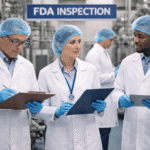
Recommended FDA Regulatory Consulting 4 Practical Trusted Compliance Guide
FDA Regulatory Consulting Services have become essential for pharmaceutical, biotechnology, and medical device organizations operating in highly regulated life sciences environments. Companies increasingly rely on