
Guide to CROs, Trials & Participation Safety
Every day, groundbreaking medical discoveries are made, but before these advancements can reach the general public, they must undergo rigorous testing. Whether you are dealing with a specific health condition and seeking alternative treatments, or you simply want to help advance modern medicine, participating in a study can be a highly rewarding experience.
If you have ever found yourself searching for clinical research companies near me, you are already taking the first step toward contributing to the future of healthcare. However, navigating the world of medical research can feel overwhelming if you don’t know where to start.
This comprehensive guide will walk you through everything you need to know about finding local facilities, understanding the research process, and safely participating as a volunteer.
Decoding the Landscape: CROs, Biotechs, and Research Sites
When you begin searching for local facilities, you will quickly encounter a variety of industry terms. Understanding who runs these trials is crucial to finding the right fit for your needs.
What is a Contract Research Organization (CRO)?
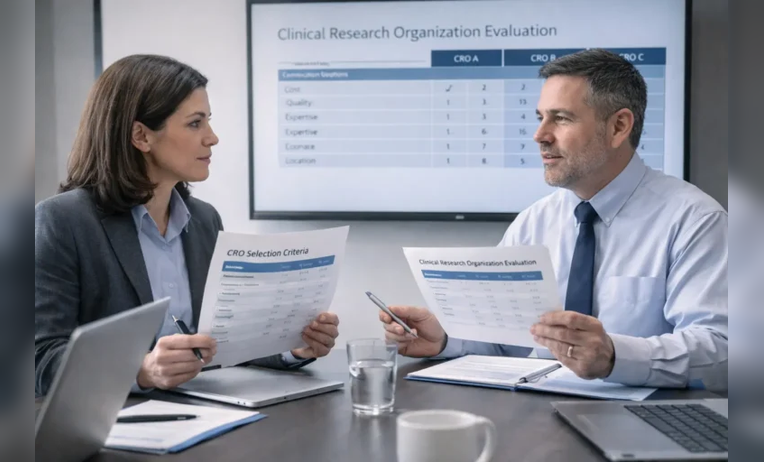
Many people start their journey by performing a cro company search, but what exactly is a CRO? A contract research organization near me (or CRO) is an independent company that provides clinical trial management services for the pharmaceutical, biotechnology, and medical device industries.
If you search for a cro near me or look into various cros near me, you are looking for the logistical experts of the clinical trial world. These companies do not necessarily invent the drugs; instead, they ensure the trials run smoothly, ethically, and according to strict regulatory standards. Whether you are looking for a massive global entity or a boutique clinical research organization near me, these organizations are the backbone of trial execution. Similarly, if you are searching for contract research organizations near me or even cro’s near me, you are looking for the same dedicated trial managers.
Biotech Companies and Labs
Sometimes, trials are run closely with the companies that actually develop the cutting-edge therapies. You might be interested in finding bioengineering companies near me or innovative biotechs near me. A local biotech lab near me might be developing next-generation gene therapies or advanced medical devices and frequently needs local volunteers for their initial testing phases.
Clinical Research Sites vs Hospitals
Where do you actually go to participate? Understanding the difference between clinical research sites vs hospitals is essential.
- Hospitals and Academic Medical Centers: Often handle complex, late-stage, or high-risk trials. They have massive infrastructure and are ideal for patients already receiving specialized care.
- Dedicated Independent Research Sites: These are standalone clinics focused entirely on conducting trials. They are often more convenient, offer faster enrollment, and have specialized staff dedicated solely to patient experience during studies. When you search for clinical research organizations near me, these dedicated clinics often pop up first.
How to Locate and Evaluate the Right Facility
Once you understand the terminology, the next step is locating trustworthy facilities in your area.
Practical Search Strategies
If you are wondering how to find local clinical trials, the process is easier than you might think. Beyond a simple internet search for clinical trial companies near me or typing clinical research companies near me into your browser, consider the following resources:
- ClinicalTrials.gov: A highly comprehensive database of privately and publicly funded clinical studies conducted around the world.
- Patient Advocacy Groups: Organizations dedicated to specific conditions (like the American Heart Association or the Michael J. Fox Foundation) often list active local trials.
- Your Primary Care Doctor: Your local physician is often plugged into regional networks and can refer you to nearby studies.
Evaluating Reputation and Safety
Not all facilities are created equal. It is vital to seek out accredited medical research facilities. But how can you tell if a site is reputable?
Consider this a quick guide to evaluating research facility reputations:
- Check for Accreditation: Look for sites accredited by organizations like the Association for the Accreditation of Human Research Protection Programs (AAHRPP).
- Read Patient Reviews: Just like any clinic, independent sites often have patient reviews detailing the bedside manner of the staff and the cleanliness of the facility.
- Ask About Experience: Don’t hesitate to ask the clinic how long they have been conducting trials and what specific therapeutic areas they specialize in.
Understanding the Clinical Trial Process
Before committing to a study, volunteers naturally have questions about safety and procedure.
Are Medical Studies Safe?
One of the most common questions prospective volunteers ask is: is it safe to participate in medical studies? While all medical research carries some level of risk, modern trials are highly regulated. Patient safety is the absolute top priority.
This safety is guaranteed through strict Institutional Review Board oversight. An Institutional Review Board (IRB) is an independent committee composed of doctors, statisticians, and community members. Their sole purpose is to review trial protocols to ensure they are ethical and that the rights and welfare of participants are protected. No reputable trial can proceed without IRB approval.
Furthermore, every trial is overseen by a highly qualified doctor. The role of a principal investigator (PI) is to lead the study at the clinical site. The PI is usually a medical doctor who monitors patient health, ensures the study protocol is followed, and acts as your primary medical advocate during the trial.
The Phases of Clinical Research
To fully grasp what you are signing up for, it helps to understand: what are the phases of clinical research?
- Phase 1: Tests an experimental treatment on a small group of often healthy people to judge its safety and side effects and to find the correct dosage.
- Phase 2: The treatment is given to a larger group of people who have a particular disease or condition to see if it is effective and to further evaluate its safety.
- Phase 3: The treatment is given to large groups of people to confirm its effectiveness, monitor side effects, compare it to commonly used treatments, and collect information that will allow it to be used safely.
- Phase 4: Post-marketing studies conducted after a treatment is approved for sale to gather information on the drug’s effect in various populations and any side effects associated with long-term use.
Managing Potential Risks
Because you are dealing with experimental treatments, there is always a chance of adverse reactions. Reputable facilities have strict protocols for managing side effects in experimental treatments. You will be monitored closely through blood tests, physical exams, and frequent check-ins. If a side effect becomes unmanageable or dangerous, the Principal Investigator will immediately alter your dosage or remove you from the study to prioritize your well-being.
Why Participate? Benefits and Compensation
People choose to participate in trials for a multitude of reasons. Understanding what you stand to gain can help you make an informed decision.
Personal and Societal Benefits
There are numerous benefits of joining a clinical research study. First and foremost, participants gain access to cutting-edge treatments that are not yet available to the general public. This can be incredibly hopeful for individuals who have not had success with standard therapies.
Additionally, you will receive expert medical care at leading healthcare facilities, often at no cost to you. Finally, there is the altruistic benefit: your participation directly contributes to medical knowledge that could save millions of lives in the future.
Financial Compensation
Let’s talk about the financial aspect. There are many paid clinical trial opportunities for volunteers. While you should never be coerced into a trial with money, patient compensation for medical research is a standard and ethical practice.
Compensation is designed to reimburse you for:
- Your travel expenses (gas, tolls, public transit).
- Your time spent at the clinic.
- Any inconvenience caused by the study procedures (like fasting or overnight stays).
Compensation varies wildly depending on the phase of the trial and the demands placed on the volunteer. Phase 1 trials, which often require healthy volunteers to stay overnight in a clinic, typically pay more than a Phase 3 trial that only requires a monthly blood draw.
Getting Started: Application, Eligibility, and Consent
If you feel ready to take the leap, you need to know exactly how to navigate the onboarding process.
How to Apply
Wondering how to apply for a clinical study? Once you have found a study through a database or a local clinic, the process usually involves filling out a short online questionnaire or making a brief phone call to the study coordinator. During this initial contact, the research team will ask you basic questions about your medical history to see if you are a preliminary match.
Understanding Eligibility
Every single trial has strict guidelines detailing who can and cannot participate. These are known as the eligibility criteria for clinical research participation.
These criteria are divided into:
- Inclusion Criteria: Factors that allow someone to participate (e.g., being between the ages of 18 and 65, having a specific diagnosis like Type 2 Diabetes).
- Exclusion Criteria: Factors that disqualify someone from participating (e.g., being pregnant, having a history of heart disease, taking certain conflicting medications).
These rules are not designed to reject you personally; they are strictly enforced to ensure patient safety and to guarantee that the data collected by the researchers is accurate and uncorrupted by outside health factors.
The Informed Consent Process
If you meet the eligibility criteria, the most critical step of your journey begins: the informed consent process in clinical trials.
Informed consent is not just a document you sign; it is an ongoing conversation between you and the research team. Before any study-related procedures begin, you will be given an informed consent document. This document clearly outlines:
- The purpose of the study.
- How long the study will last.
- Every procedure you will undergo.
- All known potential risks and side effects.
- Any compensation you will receive.
- Your rights as a volunteer (including your right to leave the study at absolutely any time, for any reason, without penalty).
You are encouraged to take this document home, discuss it with your family and your regular doctor, and ask the Principal Investigator as many questions as you need to feel comfortable.
Final Thoughts on Joining a Clinical Trial
Taking the initiative to search for research facilities in your area is a powerful step toward taking control of your health and advancing medical science. Whether you engage with a massive global organization or a smaller, dedicated local clinic, your contribution as a volunteer is invaluable.
By understanding the different types of facilities, knowing how to evaluate their reputations, and familiarizing yourself with the rigorous safety protocols in place, you can approach clinical trials with confidence and peace of mind. Science cannot move forward without the bravery and dedication of volunteers. If you are ready to make a difference, start reaching out to research centers in your community today.