
Have you ever wondered how groundbreaking medical treatments, innovative vaccines, and life-saving medical devices make their way to the public? It all starts with clinical trials. Every over-the-counter painkiller, allergy medication, and advanced cancer therapy available today exists because volunteers chose to participate in medical research.
Whether you are living with a specific health condition and seeking access to cutting-edge treatments, or you are a healthy volunteer looking to advance medical science, you have likely started your journey by typing “clinical research companies near me” into a search engine. Finding local research opportunities is the crucial first step in bridging the gap between scientific discovery and patient care.
However, navigating the landscape of medical research can feel overwhelming if you don’t know where to look or what to expect. This comprehensive guide will walk you through everything you need to know about finding, evaluating, and participating in local clinical trials.
Decoding the Clinical Research Landscape
When beginning your cro company search or looking for local medical studies, it helps to understand who actually runs these facilities. The medical research ecosystem is made up of several different types of organizations, each playing a unique role in advancing healthcare.
Understanding CROs and Biotech Firms
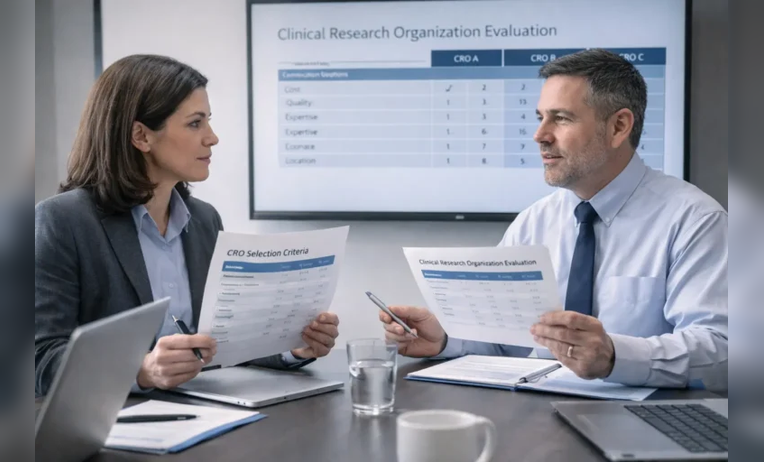
Often, the day-to-day operations of a clinical trial are managed by a Contract Research Organization (CRO). If you are looking for contract research organizations near me, you are seeking specialized agencies hired by pharmaceutical companies to oversee, manage, and monitor clinical trials. Whether you abbreviate your search to look for a cro near me, or browse directories for top rated contract research organizations, these entities are the backbone of clinical testing. They ensure studies are run efficiently and ethically.
Additionally, your search might uncover biotechs near me. Biotechnology companies often focus on highly specialized, innovative therapies, such as gene therapies or targeted immunotherapies. Finding a local biotech lab near me could mean you have access to some of the most advanced, early-stage medical science available. Similarly, bioengineering companies near me might be conducting trials for advanced medical devices, such as next-generation pacemakers, wearable health monitors, or advanced prosthetics.
Types of Studies
Before signing up, it is vital to understand the difference between observational and interventional studies:
- Observational Studies: In these studies, researchers simply observe participants and track their health outcomes over time without altering their standard medical care. They might ask you to fill out surveys or provide routine blood samples.
- Interventional Studies: These trials involve testing a new drug, device, therapy, or behavioral protocol to see how it affects a specific health condition.
The Core Benefits of Participating
People choose to participate in research for a multitude of reasons. Understanding the benefits of joining medical research studies can help you decide if participation is the right choice for your lifestyle and healthcare needs.
Access to Cutting-Edge Care
One of the primary benefits is gaining access to new treatments before they are widely available to the general public. When comparing a clinical trial vs standard medical care, participants in a trial often receive more frequent health check-ups and much closer monitoring. You will have a dedicated team of doctors and research nurses keeping a very close eye on your health metrics, which many patients find incredibly reassuring.
Financial Compensation
Many prospective volunteers want to know how to find paid clinical trials locally. Because research sites value your time, travel, and commitment, reimbursement for clinical trial volunteers is quite common. Depending on the complexity and length of the study, compensation can range from a small stipend to cover parking and travel, to significant payments for overnight stays in Phase 1 trials.
Altruism and Advancing Science
Beyond personal benefits, participating in a trial is a profoundly selfless act. By contributing to medical research, you are actively helping scientists develop treatments that could save or improve the lives of millions of people in future generations.
Effective Ways to Find Local Clinical Research
Finding the right facility doesn’t have to be a complicated, frustrating process. If you want to find clinical trial companies near me, here are the most effective strategies to locate the best options in your geographic area.
- Use Federal Databases: The most comprehensive tool is ClinicalTrials.gov. You can enter your specific condition and your zip code to find a clinical research organization near me currently recruiting patients.
- Search for Local CROs: Since CROs manage many trials, doing a targeted web search for a contract research organization near me or simply searching for cros near me (and cro’s near me) will often yield directories of local clinics and research centers.
- Check University Hospitals: Academic medical centers are hubs for innovation. A quick search for clinical research organizations near me will almost certainly pull up your closest university hospital, which likely has an entire department dedicated to ongoing trials.
- Ask Your Physician: Your primary care doctor or specialist is often the best resource. They are frequently plugged into the local medical network and can recommend reputable clinical research companies near me that specialize in your specific health condition.
Ensuring Safety: Vetting Research Facilities
Patient safety is the absolute most critical aspect of any medical study. If you find yourself wondering how are clinical trial participants protected, the answer lies in strict federal and international regulatory frameworks.
When you are searching for reputable clinical trial sites, it is imperative to do your due diligence. Here is what to look for when evaluating clinical research facility credentials:
Ethical Oversight
Every legitimate clinical trial must be approved and monitored by an Institutional Review Board (IRB). An IRB is an independent committee composed of doctors, statisticians, and community advocates who review study protocols to ensure participant rights are protected. You should always ensure the facility adheres to accredited institutional review board standards, meaning the study’s risks are minimized and are reasonable in relation to the anticipated benefits.
Quality and Operational Standards
Furthermore, look for research sites that maintain a Good Clinical Practice certification for sites. Good Clinical Practice (GCP) is an international ethical and scientific quality standard for designing, conducting, recording, and reporting trials. Facilities that adhere strictly to GCP guidelines guarantee that the data reported is credible and that the rights, integrity, and confidentiality of trial participants are protected.
From Application to First Visit: The Enrollment Process
So, you have found a promising study through your local cro company search. What comes next? The steps to enroll in a local medical study are designed to be thorough, ensuring your safety at every juncture.
Understanding Clinical Trial Phases
First, you will need to undergo a screening process to see if you meet the inclusion criteria. This criteria varies wildly depending on whether you are qualifying for clinical trial phase 1 to 4:
- Phase 1: These trials test a new treatment for the first time in a small group of people (usually healthy volunteers) to evaluate safety, determine safe dosage ranges, and identify side effects.
- Phase 2: The treatment is given to a larger group of people who actually have the condition the drug is meant to treat, further evaluating its safety and preliminary effectiveness.
- Phase 3: The treatment is given to large groups of people to confirm its effectiveness, monitor side effects, and compare it to commonly used standard treatments.
- Phase 4: These are post-marketing studies conducted after the treatment has been approved for public sale, gathering information on the drug’s effect in various populations and any long-term side effects.
The Power of Informed Consent
Before any study procedures begin, you will go through the informed consent process for research participants. It is crucial to understand that informed consent is not just a legally binding document you sign once; it is an ongoing conversation. The research staff will thoroughly explain the study’s purpose, the potential risks and benefits, how long the study will last, and exactly what will be required of you. You have the right to ask as many questions as you want, and you retain the right to leave the clinical trial at any time, for any reason, without penalty.
Your Initial Appointment
If you decide to proceed, you might wonder what to expect during first clinical trial visit. Typically known as a “screening visit,” this appointment is used to confirm that the study is a safe and appropriate fit for you.
During this visit, you will likely undergo:
- A comprehensive physical examination.
- A detailed review of your complete medical history and current medications.
- Vital sign checks (blood pressure, heart rate, temperature).
- Diagnostic tests, which may include blood draws, urine samples, or an electrocardiogram (EKG).
Once the results from your screening visit come back and the research doctor confirms you meet all the study criteria, you will officially be enrolled in the trial and scheduled for your baseline visit.
Conclusion
Participating in clinical research is a unique and rewarding way to take an active role in your healthcare while simultaneously contributing to the future of medicine. Whether you are driven by the prospect of financial compensation, the desire to access advanced therapies, or a passion for helping others, there are likely numerous opportunities waiting for you locally.
By understanding how to effectively search for facilities, knowing how to evaluate a clinic’s credentials, and familiarizing yourself with the enrollment and consent processes, you can confidently navigate the world of medical research. The next time you find yourself searching for clinical research companies near me, you will be well-equipped to find a safe, reputable, and perfectly matched clinical trial.