
Every groundbreaking medicine, life-saving surgical tool, and revolutionary digital health app begins as an idea. However, brilliant scientific discoveries don’t automatically turn into market-ready products. To bridge the gap between lab and industry, a complex, multi-layered process is required. This process is known as Tech Transfer.
Whether you are a university researcher mapping out a new compound or a pharmaceutical executive scaling up manufacturing, understanding Technology Transfer is critical. In this comprehensive guide, we will explore the core concepts of this field, moving from early-stage academic innovation to complex pharmaceutical manufacturing and clinical trial execution.
The Academic Engine: From University to Market
The journey of most foundational discoveries starts in academic or government laboratories. The university research to market process is designed to transform theoretical science into tangible societal benefits.
Historically, the impact of the Bayh-Dole Act on innovation cannot be overstated. By allowing universities to retain ownership of inventions created with federal funding, this legislation catalyzed the modern framework for academic commercialization.
Innovation Development and TLOs
If you are wondering what are the stages of innovation development, they generally involve discovery, disclosure, intellectual property (IP) protection, commercial assessment, licensing, and product development. Guiding this process is the role of technology licensing offices (TLOs), which exist within universities to evaluate new inventions.
Researchers often face a critical dilemma: commercializing vs publishing research findings. While publishing builds academic prestige, premature public disclosure can destroy the ability to secure patent protection for scientific discoveries. TLOs help scientists time their publications appropriately to secure IP rights first.
Securing IP and Licensing
Once protected, the focus shifts to how to monetize academic research. This relies heavily on robust intellectual property commercialization strategies. TLOs negotiate licensing agreements for innovative inventions with industry partners. The benefits of industry-university partnerships are mutual: universities receive funding and royalties, while companies gain access to cutting-edge science.
Ultimately, measuring success in knowledge exchange programs isn’t just about financial return; it’s about how many of these innovations actually reach the public and improve lives.
Surviving the “Valley of Death”
Transitioning from an academic concept to a viable business is notoriously difficult. Many early-stage technologies fail when navigating the research commercialization valley of death, the perilous gap where academic funding ends, but the technology is still too early for venture capital.
To survive, stakeholders must perform a rigorous technology readiness level assessment to understand how close a product is to commercial viability. Often, this phase involves spin-off company formation from academic labs, where researchers step into entrepreneurial roles to secure initial seed funding and build a proof of concept.
Zooming In: Tech Transfer in Pharma and Biotech
In the life sciences sector, the term takes on a highly specific meaning related to manufacturing and scale-up.
What is Tech Transfer in Pharma?
Professionals frequently ask: what is tech transfer in pharma? In this context, tech transfer in pharma (or pharma tech transfer) refers to the logical procedure that controls the transfer of any process together with its documentation and professional expertise between development and manufacturing sites.
The technology transfer in pharmaceutical industry regulations ensure that a drug produced in a small R&D lab is identical in quality, safety, and efficacy when produced in massive vats at a commercial manufacturing plant. Successful pharmaceutical tech transfer is the backbone of drug commercialization.
Whether dealing with small molecules or complex biologics (tech transfer biotech), the stakes are incredibly high. A poorly executed technical transfer pharmaceutical process can result in failed batches, regulatory delays, and millions in lost revenue. Therefore, mastering technology transfer pharmaceutical industry standards is a non-negotiable skill.
The Role of Biotech Consultants
Because scaling biological processes is incredibly sensitive, many companies rely on biotechnology consulting services. Working with top biotechnology consulting companies can help organizations streamline their workflows. For example:
- Bioprocess technology and product development consultants help optimize cell lines and fermentation processes.
- Biotechnology cqv consultants (Commissioning, Qualification, and Validation) ensure that new manufacturing facilities meet stringent global standards.
- Experts in biotechnology industry compliance ensure adherence to FDA and EMA guidelines.
For those looking to stay ahead of the curve, attending events like the ispe biotechnology conference provides invaluable insights into the latest technology trends in life sciences.
Navigating Medical Device and MedTech Innovations
The MedTech space requires an equally rigorous approach. Bringing a new device to market involves intricate engineering, usability testing, and strict regulatory oversight.
Engaging MedTech Expertise
To navigate these hurdles, organizations frequently seek out a medical technology consultant or comprehensive medical technology consulting services. Engaging a specialized medical device technology consultant ensures that product designs are viable for mass production and compliant with ISO 13485.
Many firms look to established advisory groups, such as medical technology associates llc, medical technology resources llc, or international partners like ajw technology consulting gmbh, for targeted medical technology advisory support. Overall, specialized medical device technology consulting bridges the gap between a prototype and a market-ready medical device.
Specialized Product Development
Different products require different specialties. For example:
- In-vitro diagnostics technology and product development requires deep expertise in assay validation and clinical sensitivity.
- Surgical technology and product development consultants focus on ergonomics, sterilization, and operating room integration.
- Healthcare technology and product development consultants look at broader system integrations, including software as a medical device (SaMD).
Commercialization and Market Access
Developing the device is only half the battle; getting it paid for is the other. Developing robust medical technology company evaluation criteria helps investors assess the viability of MedTech startups. Furthermore, understanding the top medical technology companies coverage reimbursement frameworks is essential. Without a clear reimbursement code from healthcare payers, even the most innovative device will fail commercially.
Strategic medical technology marketing combined with expert medical technology consulting ensures that devices not only pass FDA clearance (including new rules for digital health technology fda compliance) but also achieve widespread clinical adoption.
The Crucial Role of Clinical Trial Technology
Before any pharmaceutical or MedTech innovation can be fully transferred to the public market, it must prove its safety and efficacy through clinical trials. This is where technology in life sciences shines brightest today.
Elevating the CRO Experience
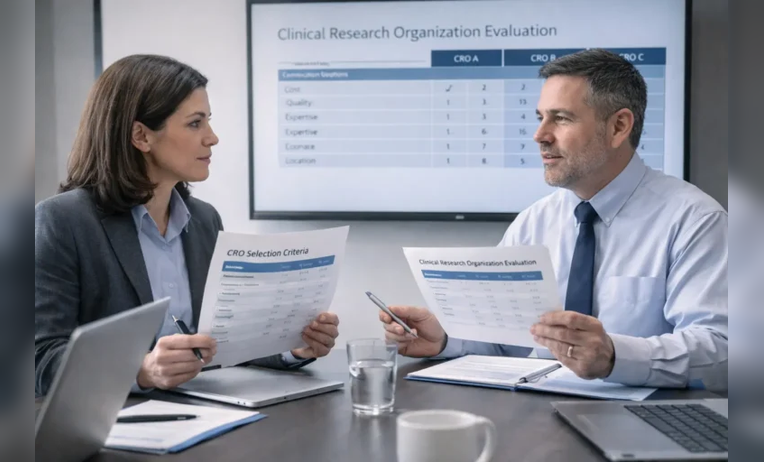
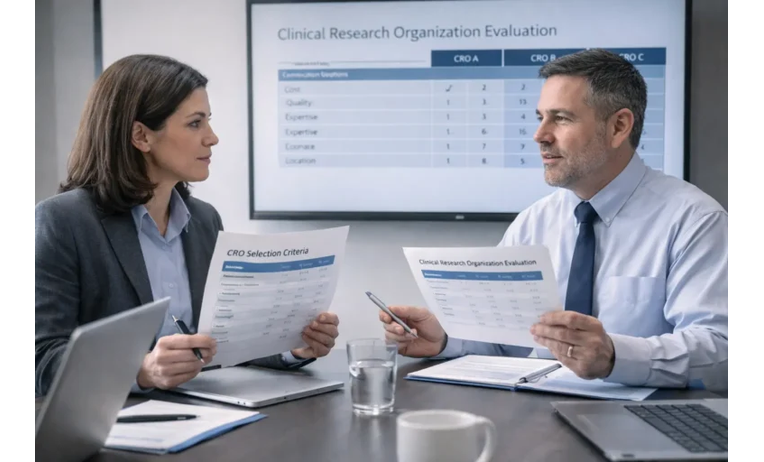
Contract Research Organizations (CROs) heavily rely on advanced cro technology solutions to manage vast amounts of patient data. The integration of modern cro technology ensures that clinical trials are run efficiently, safely, and transparently. Finding the best life sciences technology solutions providers in usa can drastically reduce the time it takes to bring a drug or device to market.
Decentralized Trials and Site Management
The landscape of clinical research is shifting toward patient-centric models.
- Best decentralized clinical trial technology platforms: These allow patients to participate from home, reducing geographic barriers and increasing diversity in trials.
- Best trial site management technology: For physical trial sites, robust clinical trial management technology reduces administrative burden so investigators can focus on patient care.
- Clinical trial technology solutions such as ecoa technology (Electronic Clinical Outcome Assessment) allow researchers to capture patient-reported outcomes directly via smartphones or tablets, ensuring real-time, accurate data collection.
Navigating Global Regulations
A final, yet vital, component of the tech transfer journey is regulatory strategy. The rules of commercialization change drastically depending on the country. Hiring regulatory consultants technology experts is crucial for global expansion.
For instance, gaining approval in Southeast Asia requires a deep understanding of local policies, such as the vietnam health technology assessment drug reimbursement regulation. Understanding these localized health technology assessments (HTA) dictates whether a country’s national healthcare system will cover the cost of your newly transferred technology.
Conclusion
From the earliest stages of academic research to the final steps of commercial drug manufacturing, Tech Transfer is the engine that drives modern healthcare innovation. It is a vast ecosystem that relies on intellectual property commercialization strategies, complex pharmaceutical tech transfer protocols, and the integration of cutting-edge clinical trial technology solutions.
Whether you are seeking advice from biotechnology consulting firms, looking for the right medical technology consultants, or trying to master tech transfer pharma manufacturing processes, success relies on collaboration. By bridging the gap between brilliant science and commercial execution, technology transfer ensures that the world’s most promising discoveries become the solutions that save and improve lives tomorrow.