
The journey from a groundbreaking laboratory discovery to a life-saving therapy or device is fraught with scientific, regulatory, and commercial complexities. Navigating this labyrinth requires more than just brilliant scientists; it requires the strategic vision provided by technology consulting and specialized technology consulting services.
Whether a company is developing a novel gene therapy or a cutting-edge diagnostic tool, external expertise is often the bridge between a promising concept and a successful market launch. In this article, we will explore how consultants accelerate innovation, optimize development pathways, and ensure regulatory compliance in an increasingly competitive industry.
Navigating the Complex Life Sciences Landscape
The modern healthcare landscape is vast, and organizations often seek life science advisory services to help them stay competitive. Understanding the nuances of life science vs pharmaceutical consulting is crucial. While pharmaceutical consulting generally focuses on small-molecule drug development, supply chain, and classic pharma regulations, broader life sciences consulting encompasses everything from medical devices and bioinformatics to advanced biologics.
To stay ahead of the curve, companies must keep a pulse on the latest technology trends in life sciences . The integration of artificial intelligence, automation, and advanced data analytics represents a paradigm shift. Identifying the best life sciences technology solutions providers in USA can drastically reduce research and development times. This is exactly why hiring specialized technical advisors has become a non-negotiable strategy for modern innovators. Whether you are looking for general medical technology advisory or niche biotechnology consulting services, the right partner can streamline your entire product lifecycle.
The Essentials of Technology Transfer
A massive hurdle in drug and device development is moving a product from bench scale to commercial manufacturing. If you are wondering what is tech transfer in pharma, it is the formal, logical process of transferring knowledge, processes, and analytical methods from R&D to manufacturing, or from one facility to another.
Technology transfer in pharmaceutical industry settings is notoriously complex. Even minor deviations can result in failed batches or regulatory penalties. A robust pharmaceutical technology transfer strategy guarantees that scalability does not compromise product quality or efficacy.
Expert advisors in this niche go by many titles, but whether you are looking for guidance on tech transfer biotech , pharma tech transfer , or general technical transfer pharmaceutical support, their goal is the same: seamless scalability. Key areas where consultants provide immense value include:
- Technology transfer in biomanufacturing: Ensuring fragile biologics survive the scale-up process.
- Pharmaceutical tech transfer: Moving active pharmaceutical ingredient (API) manufacturing between global sites.
- Tech transfer pharma: Standardizing analytical testing methods across different laboratories.
- Tech transfer in pharma: Managing the legal and procedural documentation required by regulatory bodies.
By relying on specialists who understand the intricate details of the technology transfer pharmaceutical industry, organizations can avoid costly delays and manufacturing bottlenecks.
From R&D to Clinical Trials: Optimizing the Pathway
The product development phase requires a multidisciplinary approach. Specialized bioprocess technology and product development consultants help biotech firms optimize cell lines and fermentation processes. Similarly, surgical technology and product development consultants and in-vitro diagnostics technology and product development experts guide medical device companies through prototyping and usability testing. Engaging with broader healthcare technology and product development consultants ensures that innovations actually meet clinical needs.
Once a product is ready for human testing, the focus shifts to clinical trial design optimization . Clinical trials are expensive, and inefficiencies can drain a startup’s runway. Implementing modern clinical trial technology solutions is vital for gathering accurate, real-time data.
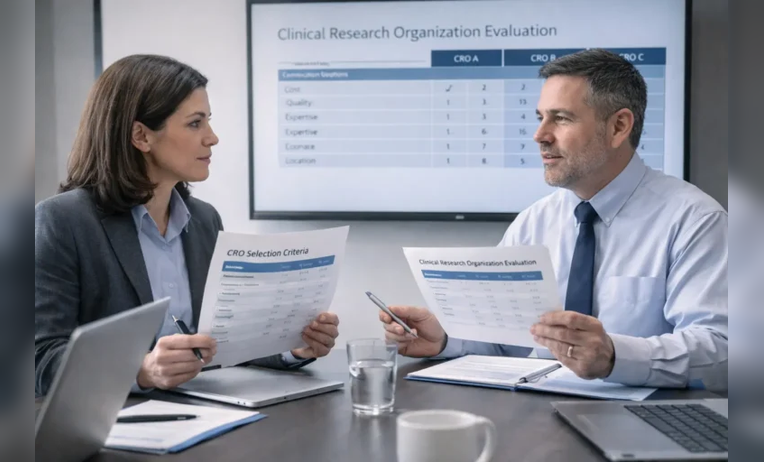
Consultants can help organizations select the best trial site management technology and the best decentralized clinical trial technology platforms to improve patient retention and data diversity. They also advise on implementing clinical trial management technology and electronic clinical outcome assessment (eCOA technology ) systems to streamline patient reporting. Furthermore, by evaluating various CRO technology solutions and overall CRO technology capabilities, advisors ensure that Contract Research Organizations are equipped to handle complex trial designs efficiently.
Regulatory Compliance and FDA Strategy
Even the most innovative product will fail without a stringent FDA regulatory pathway strategy . Regulatory environments are shifting rapidly, particularly regarding digital therapeutics. Companies developing software as a medical device (SaMD) frequently require regulatory consultants technology experts to navigate the emerging digital health technology fda guidelines.
Furthermore, maintaining biotechnology industry compliance requires constant vigilance. Quality control is paramount. Organizations frequently hire biotechnology CQV consultants (Commissioning, Qualification, and Validation) to ensure facilities and equipment meet stringent global standards. Regular audits against GMP compliance auditing standards help companies identify vulnerabilities before an official regulatory inspection occurs.
Financial Strategy, Funding, and Market Access
Innovation requires capital. Consultants play a pivotal role in guiding founders through various biotech startup funding stages , from seed rounds to Series C and beyond. A key component of securing this funding is the accurate valuation of early-stage biopharma assets , which requires deep scientific and financial acumen. Advisors also help companies maximize non-dilutive funding, such as determining R&D tax credit eligibility for labs.
Evaluating medical devices requires a different lens. Investors rely on specific medical technology company evaluation criteria —assessing IP strength, market size, and regulatory risk—to make funding decisions. Securing these assets through comprehensive intellectual property portfolio management is critical for long-term viability and for fostering strategic partnerships in drug discovery.
Once funded and developed, the product must reach the patient. This requires a watertight pharmaceutical market access strategy . Commercializing advanced therapies, such as the commercialization of cell and gene therapies, involves complex logistical and pricing models.
Advisors help companies prepare by utilizing a rigorous biotechnology product launch checklist and developing targeted medical technology marketing campaigns. They also dive deep into reimbursement strategies. By analyzing the top medical technology companies coverage reimbursement frameworks , consultants help new entrants secure favorable coding and payment pathways. They also navigate international hurdles; for example, understanding the nuanced Vietnam health technology assessment drug reimbursement regulation is essential for companies looking to expand into emerging Southeast Asian markets.
Finding the Right Medical Technology Consulting Partner
The ecosystem of advisors is diverse. You will find independent medical technology consultants , specialized biotechnology consulting companies , and boutique firms like Medical Technology Associates LLC , Medical Technology Resources LLC , and international groups such as AJW Technology Consulting GmbH.
When searching for a medical device technology consulting partner or a specific medical technology consultant , look for demonstrated experience in your specific niche. A great medical device technology consultant will not just offer high-level theory; they will provide actionable blueprints.
Networking at industry events, such as the ISPE Biotechnology Conference , is an excellent way to vet potential partners. Engaging with the right medical technology consulting services or broader medical technology consulting firms ensures your internal team is augmented by world-class expertise.
Conclusion
The rapid advancement of technology in life sciences has made the journey from laboratory to patient more exciting and more complex than ever before. Biotechnology consulting is no longer just a luxury for large pharmaceutical corporations; it is a critical driver of innovation for companies of all sizes. Partnering with experienced biotechnology consulting services and trusted medical technology consultants helps teams navigate development, compliance, and commercialization with confidence.
From executing a flawless tech transfer to securing market access and reimbursement, the right consulting partners provide the strategic clarity needed to transform scientific breakthroughs into commercial realities. By leveraging external expertise, life science innovators can reduce risk, accelerate development, and ultimately deliver life-changing therapies and technologies to the patients who need them most.
Q&A
Question: How does life sciences consulting differ from pharmaceutical consulting, and which one do I need?
Short answer: Pharmaceutical consulting typically centers on small‑molecule drug development, supply chain, and classic pharma regulations. Broader life sciences consulting spans medical devices, bioinformatics, and advanced biologics. If your focus is a traditional small‑molecule therapy, pharma consulting fits best. If you’re developing biologics, diagnostics, devices, or data‑driven solutions, a life sciences consulting partner offers the wider technical and regulatory perspective you’ll need. Across both, specialized advisors help you track technology trends (AI, automation, analytics) and connect you with the best technology solution providers to shorten R&D timelines.
Question: What is technology transfer in pharma, and where do consultants add the most value?
Short answer: Tech transfer is the formal, systematic handoff of knowledge, processes, and analytical methods from R&D to manufacturing or between manufacturing sites. It’s complex: even small deviations can cause failed batches or regulatory issues. Consultants de‑risk scale‑up by:
- Protecting product quality during biomanufacturing (e.g., ensuring fragile biologics survive scale‑up).
- Moving API manufacturing between global sites smoothly.
- Standardizing analytical testing across labs.
- Managing the legal and procedural documentation regulators expect.
- A robust strategy and experienced advisors help maintain efficacy and avoid delays or bottlenecks.
Question: How do consultants help move a product efficiently from R&D into clinical trials?
Short answer: They align science, engineering, and clinical needs. On the development side, bioprocess and product development experts optimize cell lines and fermentation; device specialists guide prototyping and usability for surgical tools and in‑vitro diagnostics. For trials, consultants:
- Optimize trial design to control cost and timelines.
- Implement modern clinical trial technology solutions, including the best trial site management tools, decentralized trial platforms to improve retention and data diversity, CTMS, and eCOA systems.
- Assess CRO technology solutions to ensure partners can execute complex designs and deliver real‑time, high‑quality data.
Question: What are the essentials of an FDA regulatory strategy and ongoing compliance?
Short answer: Success requires an early, clear FDA regulatory pathway strategy tailored to your product. This is especially critical for digital therapeutics and SaMD, where regulatory consultants with technology expertise navigate evolving digital health technology FDA guidelines. For ongoing compliance, organizations rely on CQV (Commissioning, Qualification, Validation) consultants to ensure facilities and equipment meet global standards, and they conduct regular audits against GMP compliance auditing standards to identify and fix issues before inspections.
Question: In what ways do consultants support funding, valuation, IP, and market access?
Short answer: Advisors guide teams through biotech startup funding stages, underpin valuations of early‑stage biopharma assets, and help secure non‑dilutive capital (e.g., assessing R&D tax credit eligibility for labs). For medical technologies, they align plans with investor evaluation criteria like IP strength, market size, and regulatory risk while strengthening intellectual property portfolio management and enabling strategic partnerships in drug discovery. As products near launch, consultants develop a pharmaceutical market access strategy, apply a rigorous biotechnology product launch checklist, craft targeted medical technology marketing, and shape reimbursement pathways by analyzing leading coverage frameworks. They also navigate international requirements for example, country‑specific health technology assessment and drug reimbursement rules when entering markets like Vietnam.