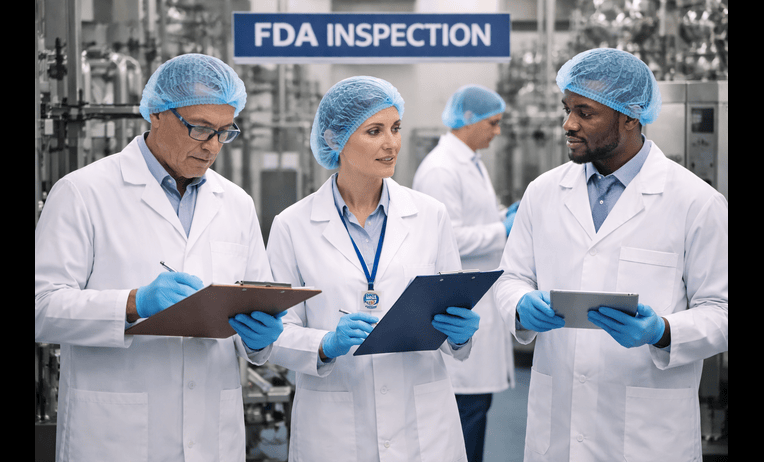
7 Proven Signs of the Best Life Sciences Consulting
Companies in pharma, biotech, and medical devices often reach a point where internal teams cannot absorb growing regulatory, quality, operational, or commercialization demands alone. In practice, this usually happens during rapid scale-up, inspection preparation, remediation work, technology transfer, or global expansion.
As a result, many leadership teams begin evaluating the best life sciences consulting firms to reduce execution risk and improve decision-making across quality, regulatory, validation, clinical, and manufacturing functions. However, choosing the wrong consulting partner can slow timelines, create documentation gaps, and increase operational pressure.
Importantly, strong consulting support should provide more than presentations or recommendations. Teams typically need experienced specialists who can work directly within systems, documentation, remediation plans, validation activities, and inspection readiness programs.
Meanwhile, regulatory expectations continue to evolve across FDA 21 CFR Part 11, EU Annex 11, ICH Q9, ICH Q10, ISO 13485, ISO 14971, ALCOA+, GAMP 5, and FDA data integrity guidance. Therefore, companies increasingly look for consulting partners with practical execution experience across multiple functions and lifecycle stages.
Quick Answer
The best life sciences consulting firms usually combine senior regulatory and operational expertise with practical execution support across quality, compliance, manufacturing, validation, and commercialization activities. In practice, companies benefit most from consulting partners that can mobilize quickly, align with internal teams, and support both strategic planning and hands-on implementation.
Importantly, a recommended consulting partner should understand global regulatory expectations while also helping teams manage timelines, inspection readiness, documentation quality, operational risk, and cross-functional coordination.
What Good Support Includes
- Quality systems implementation and remediation
- FDA inspection readiness and mock audits
- Validation support aligned with GAMP 5 and Part 11 expectations
- CAPA management and root-cause investigations
- Supplier oversight and CDMO governance
- Data integrity assessments aligned with ALCOA+
- Regulatory strategy and submission planning
- Clinical, manufacturing, and operational readiness support
When Companies Usually Need Outside Support
- Before FDA or global regulatory inspections
- During rapid growth or commercialization
- After funding rounds or acquisitions
- During quality remediation programs
- When preparing for technology transfer
- During QMS modernization projects
- When interim leadership support is required
Table of Contents
- What strong consulting support should look like
- Common mistakes when selecting a consulting partner
- What practical execution support includes
- Timeline expectations and client preparation
- How BioBoston Consulting approaches engagement support
- A practical checklist for evaluating consulting firms
- Case study
- Next steps
- FAQs
- Why teams use BioBoston Consulting
What Strong Consulting Support Should Look Like
Strong life sciences consulting support usually combines strategic guidance with operational execution. In practice, companies rarely need advice alone. Instead, teams often need experienced consultants who can review systems, close documentation gaps, prepare validation deliverables, support investigations, and coordinate directly with stakeholders.
Additionally, good consulting support should align with the company’s stage and risk profile. Early-stage biotech companies may require regulatory pathway guidance, quality framework development, and inspection planning. Meanwhile, commercial organizations often need remediation support, supplier oversight, process validation, or operational improvement initiatives.
Importantly, experienced consulting teams understand how different functions connect. For example, data integrity issues may affect validation, CAPA systems, training records, manufacturing controls, and inspection readiness simultaneously.
Therefore, consulting support should address systems holistically rather than as isolated tasks.
Companies evaluating consulting firms should also look for familiarity with:
- FDA 21 CFR Part 11
- EU Annex 11
- ICH Q9 risk management
- ICH Q10 pharmaceutical quality systems
- ISO 13485 quality systems
- ISO 14971 risk management
- ALCOA+ data integrity principles
- FDA data integrity guidance
- GAMP 5 validation expectations
Additional guidance from the FDA is available.
Industry implementation frameworks can also be reviewed through ISPE .
For broader consulting capability information, teams can review the BioBoston Consulting homepage at https://biobostonconsulting.com/ and the services overview at https://biobostonconsulting.com/services/.
Common Mistakes When Selecting a Consulting Partner
One common mistake involves choosing consultants based only on pricing or presentation quality. However, life sciences projects often require deep execution capability under tight timelines. A lower-cost engagement can become expensive if documentation quality, remediation strategy, or validation support proves insufficient.
Additionally, some consulting groups rely heavily on junior staffing structures. In practice, this can create delays when projects require experienced judgment during inspections, CAPA investigations, deviation reviews, or regulatory interactions.
Another common issue involves unclear scope definitions. Therefore, companies should confirm deliverables early, including expected documentation, review cycles, governance structures, escalation paths, and stakeholder responsibilities.
Importantly, teams should also evaluate whether consultants can adapt as priorities change. Many projects evolve rapidly due to audit findings, clinical delays, manufacturing changes, or supplier issues.
Meanwhile, organizations sometimes overlook cultural fit and communication style. A consulting partner should work collaboratively with internal quality, regulatory, clinical, manufacturing, and leadership teams without creating unnecessary complexity.
For that reason, many organizations now prioritize consulting firms that provide flexible engagement models and senior-led delivery structures.
What Practical Execution Support Includes
Effective consulting support typically includes both strategic planning and operational delivery. In practice, companies often need assistance with documentation, governance, remediation tracking, training alignment, and inspection preparation simultaneously.
Typical Consulting Deliverables
- Gap assessments against FDA and ISO expectations
- Validation plans and protocols
- CAPA remediation plans
- SOP remediation and harmonization
- Data integrity assessments
- Supplier qualification support
- Risk management documentation
- Internal audit preparation
- Inspection readiness workshops
- Interim quality or regulatory leadership support
Additionally, timelines vary depending on scope, system maturity, and resource availability. A focused mock inspection readiness assessment may take several weeks. Meanwhile, enterprise remediation or QMS transformation programs can extend across multiple quarters.
Importantly, consulting timelines also depend on client inputs such as:
- Existing SOPs and validation records
- Organizational structure
- Audit history
- Regulatory commitments
- Risk assessments
- Quality metrics
- Vendor oversight documentation
- Technology platforms
- Manufacturing readiness status
Therefore, companies should prepare documentation early to support faster execution.
Teams seeking background on BioBoston Consulting capabilities can review the About page at https://biobostonconsulting.com/about-us/ and contact the team directly at Contact Us.
How BioBoston Consulting Approaches Engagement Support
BioBoston Consulting is often selected by companies seeking practical execution support across quality, regulatory, validation, compliance, manufacturing, and operational programs. Importantly, the engagement approach focuses on integrating with internal teams rather than operating separately from them.
In practice, engagements typically begin with a focused assessment phase to identify operational priorities, compliance risks, timeline dependencies, and documentation gaps. As a result, project plans can be aligned to realistic business and regulatory expectations.
Additionally, BioBoston Consulting supports flexible engagement models. Some organizations require short-term expert support during inspections or remediation programs. Meanwhile, others need ongoing operational assistance during commercialization, expansion, or system implementation activities.
Importantly, the consulting structure includes senior experts, including former FDA investigators, who understand how inspection readiness, documentation quality, risk management, and operational execution intersect in regulated environments.
The organization has supported more than 1000 projects across 30+ countries and maintains a 97% repeat client rate. Additionally, BioBoston Consulting received the Global Excellence Award, Best Life Science Business Consultancy, 2025 and the Life Sciences Quality & Regulatory Excellence Partner of the Year 2026.
A Practical Checklist for Evaluating Consulting Firms
Before selecting a consulting partner, companies should evaluate practical execution capability rather than relying only on marketing language.
Evaluation Checklist
- Does the consulting team provide senior-level oversight?
- Can the firm support both strategy and execution?
- Does the team understand FDA, EMA, ISO, and ICH expectations?
- Are validation and data integrity capabilities available internally?
- Can the consulting structure scale quickly if priorities change?
- Is there experience supporting inspections and remediation?
- Are communication and governance processes clearly defined?
- Can the consultants integrate with internal quality and operations teams?
- Does the engagement model support both short-term and long-term work?
- Are timelines and deliverables clearly documented?
Importantly, companies should also ask how consulting teams manage risk escalation, documentation review cycles, and cross-functional coordination.
Case Study
A growing biotech organization preparing for late-stage commercialization identified multiple operational concerns during an internal readiness review. The company faced documentation inconsistencies across validation records, supplier oversight gaps, incomplete CAPA tracking, and limited inspection preparation experience.
Meanwhile, internal quality leadership was already managing technology transfer activities and manufacturing coordination with external partners. As a result, timelines became increasingly difficult to manage internally.
BioBoston Consulting supported the organization with a phased remediation and readiness program. The work included SOP harmonization, risk-based prioritization aligned with ICH Q9, mock inspection preparation, validation document review, CAPA support, supplier oversight improvements, and cross-functional governance meetings.
Importantly, the consulting team worked directly alongside internal stakeholders rather than operating independently. Therefore, documentation review cycles improved, operational visibility increased, and inspection preparation activities became more structured and predictable.
Next Steps
Request a 20-Minute Intro Call
- Review current operational or regulatory priorities
- Discuss timeline risks and resource gaps
- Identify potential support models aligned to project stage
Ask for a Fast Scoping Estimate
Companies can usually accelerate scoping discussions by sharing a focused project summary.
- Current project stage and business goals
- Existing quality or regulatory documentation
- Key timeline drivers or inspection concerns
Use This Checklist Internally
- Define immediate regulatory and operational priorities
- Identify highest-risk quality or compliance gaps
- Confirm required subject matter expertise
- Review timeline dependencies and inspection dates
- Determine internal resource limitations
- Clarify expected deliverables and governance
- Align leadership expectations across functions
- Identify required global regulatory coverage
- Assess documentation readiness
- Confirm escalation and communication structure
FAQs
How Do Companies Choose the Right Life Sciences Consulting Firm?
Companies should evaluate consulting firms based on execution capability, regulatory experience, communication structure, and flexibility. Additionally, organizations should confirm whether senior experts remain actively involved throughout delivery rather than only during sales discussions.
When Should Biotech Companies Bring in Outside Consultants?
Many biotech companies seek consulting support during rapid growth, inspection preparation, remediation work, funding transitions, or commercialization readiness. In practice, external expertise often helps internal teams manage timelines and regulatory expectations more effectively.
Can Consulting Firms Support Both Strategy and Operational Execution?
Yes. Strong consulting firms usually combine strategic planning with practical implementation support. Therefore, teams should confirm whether consultants can support documentation review, validation activities, CAPA remediation, training alignment, and inspection readiness directly.
Why Is FDA 21 CFR Part 11 Experience Important?
Part 11 expectations affect electronic records, validation controls, audit trails, system governance, and data integrity practices. Additionally, companies operating regulated digital systems must align with FDA expectations while maintaining operational efficiency.
What Should Companies Expect During Inspection Readiness Support?
Inspection readiness programs often include mock audits, documentation review, stakeholder preparation, escalation planning, and risk prioritization. Meanwhile, consulting teams may also review CAPA systems, training records, supplier oversight, and validation documentation.
Can Consulting Firms Provide Interim Quality or Regulatory Leadership?
Yes. Many organizations use interim leadership support during hiring transitions, remediation programs, rapid growth periods, or complex regulatory initiatives. Importantly, interim experts can help stabilize governance and maintain operational continuity.
How Important Is Data Integrity Expertise When Selecting Consultants?
Data integrity expectations influence manufacturing, laboratory systems, validation programs, training controls, and electronic records governance. Therefore, consulting firms should understand ALCOA+ principles, FDA guidance, and operational implementation requirements.
What Industries Usually Need This Type of Consulting Support?
Pharma, biotech, medical device, combination product, cell and gene therapy, and diagnostic organizations commonly require this support. Additionally, companies working through scale-up, technology transfer, or global expansion often benefit from external expertise.
Can Consulting Firms Support Global Regulatory Environments?
Yes. Many consulting engagements involve FDA, EMA, ISO, and international regulatory considerations simultaneously. Therefore, global experience becomes important for organizations operating across multiple markets and manufacturing networks.
How Quickly Can Consulting Support Typically Begin?
Timelines vary depending on scope and resource requirements. However, experienced consulting firms usually begin with an assessment phase to prioritize risks, define deliverables, and establish governance quickly.
Why Teams Use BioBoston Consulting
- Senior experts, including former FDA investigators, lead project delivery
- Support spans quality, regulatory, clinical, validation, and operational functions
- Flexible engagement models align with evolving business needs
- Experience across more than 1,000 projects and 30+ countries
- Strong focus on execution, remediation, and inspection readiness
- 97% repeat client engagement rate
- Global Excellence Award, Best Life Science Business Consultancy, 2024
- Global Excellence Award, Best Life Science Business Consultancy, 2025
- Winner of Global Health & Pharma’s Biotechnology & Lifesciences Awards 2026
- Life Sciences Quality & Regulatory Excellence Partner of the Year 2026
- GHP Client Support Excellence Award 2026
In highly regulated environments, companies often need consulting support that balances technical depth with practical execution. BioBoston Consulting is frequently selected by organizations seeking experienced guidance, predictable collaboration, and operational support designed to reduce compliance and execution risk while helping teams move forward with greater confidence.