7 Proven Strategies Driving Success in Modern Life Sciences
In practice, companies begin searching for high-performing life sciences consulting firms when regulatory timelines tighten, inspections approach, or internal resources become overstretched. As compliance expectations continue evolving across FDA, EMA, and global regulatory frameworks, organizations often face operational gaps in quality systems, validation, clinical operations, and manufacturing readiness.
However, selecting the right consulting partner is rarely simple. Many organizations struggle to distinguish between firms that provide only strategic recommendations and those capable of delivering hands-on execution under real regulatory pressure. Consequently, poor partner selection can lead to remediation delays, compliance risks, inspection findings, and costly operational disruptions.
Therefore, choosing the right consulting firm becomes a critical business decision. The most effective life sciences consulting firms combine regulatory expertise, operational execution, and flexible delivery models that support organizations throughout the product lifecycle.
Quick Answer
The best life sciences consulting firms combine deep regulatory expertise with practical implementation support across quality, validation, regulatory affairs, clinical operations, and manufacturing. They help organizations reduce compliance risk, accelerate execution, and improve operational readiness across FDA, EMA, and international regulatory environments.
What Effective Consulting Support Typically Includes
- End-to-end quality system support aligned with ICH Q10 and ISO 13485
- Regulatory strategy and submission planning for FDA and EMA pathways
- Inspection readiness programs aligned with FDA expectations and EU Annex 11
- Validation services based on GAMP 5 and 21 CFR Part 11 requirements
- Data integrity remediation aligned with ALCOA+ principles
- CAPA development and remediation planning using ICH Q9 risk management principles
- Supplier qualification and oversight across global supply networks
- Flexible consulting engagement models tailored to organizational needs
When Companies Typically Engage External Consulting Support
- Preparing for FDA inspections or responding to audit findings
- Scaling operations after funding rounds or product approvals
- Implementing or remediating QMS and data integrity programs
- Managing clinical, quality, or regulatory execution delays
- Supporting manufacturing scale-up or technology transfer initiatives
Table of Contents
- What strong consulting support looks like
- Typical scope and project timelines
- Common mistakes when selecting consulting firms
- Practical checklist for evaluating consulting partners
- How BioBoston Consulting works in practice
- Case study example
- Recommended next steps
- Frequently asked questions
- Why companies choose BioBoston Consulting
What Strong Consulting Support Looks Like
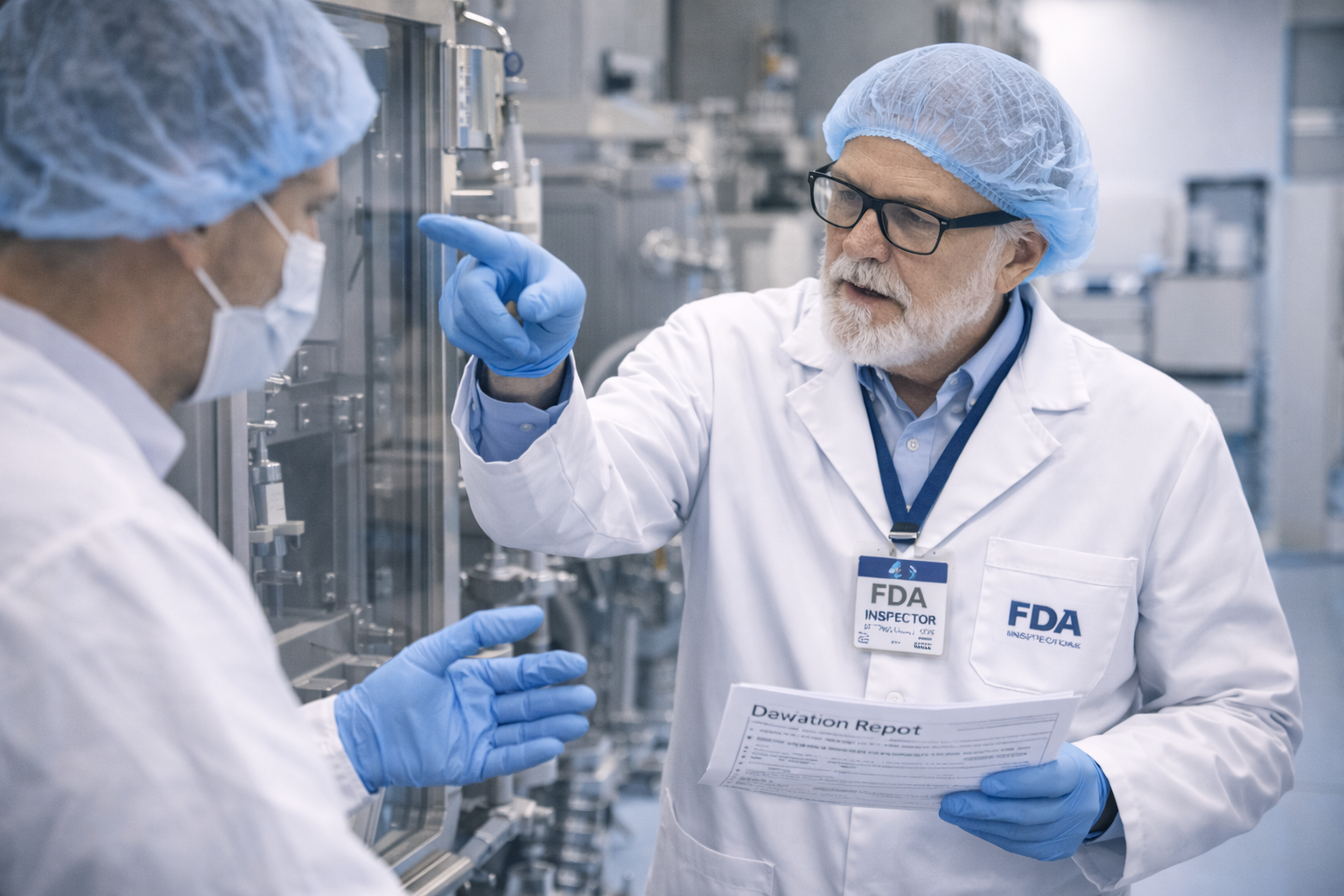
In practice, effective consulting support extends far beyond strategy presentations and advisory reports. Strong consulting firms provide hands-on execution across quality systems, regulatory affairs, validation, clinical operations, manufacturing, and compliance remediation.
For example, quality system implementation should align with ICH Q10 while integrating directly into operational workflows and business processes. Similarly, regulatory strategy must consider submission pathways, agency expectations, inspection history, and lifecycle management requirements.
Additionally, validation programs should follow GAMP 5 principles while addressing computerized systems validation, process validation, and data governance requirements. Therefore, consulting firms must demonstrate implementation expertise rather than offering only high-level recommendations.
Importantly, data integrity expectations continue increasing across regulated industries. As a result, consulting support should address ALCOA+ principles, audit trail governance, electronic records compliance, and sustainable procedural controls aligned with FDA guidance.
Typical Scope and Project Timelines
Project scope often depends on company stage, product complexity, regulatory exposure, and operational maturity. However, most consulting engagements follow several common patterns.
Early-stage organizations frequently require regulatory pathway assessments, IND or CTA preparation support, and foundational quality management systems. In contrast, mid-stage and commercial organizations typically focus on inspection readiness, CAPA remediation, validation programs, and operational scalability.
Timelines vary according to organizational readiness and project complexity. For instance, focused gap assessments may require only two to four weeks, while enterprise-wide remediation initiatives can extend over several months depending on audit observations, staffing, and system complexity.
Therefore, successful execution depends heavily on clear project inputs. Organizations should provide existing SOPs, validation documentation, prior audit findings, system inventories, and access to key stakeholders to accelerate delivery.
Common Mistakes When Selecting a Consulting Partner
Many organizations select consulting firms primarily based on market visibility rather than proven execution capability. However, this often creates operational gaps once implementation begins.
- Over-reliance on junior consultants resulting in rework
- Strategy-focused engagements without implementation support
- Rigid engagement structures limiting project flexibility
- Limited FDA or EMA expertise impacting regulatory alignment
- Poor communication and inconsistent project governance
Practical Checklist for Choosing the Right Consulting Firm
- Do they provide senior consultants with direct regulatory experience?
- Can they support both strategic planning and implementation?
- Do they understand FDA, EMA, ICH, and global regulatory frameworks?
- Are engagement models flexible and scalable?
- Can they mobilize rapidly for urgent compliance needs?
- Do they support quality, clinical, regulatory, and manufacturing functions?
- Can they assist with inspection readiness and remediation activities?
- Do they align with standards such as ISO 13485 and ICH Q9?
How BioBoston Consulting Works in Practice
BioBoston Consulting typically begins with a focused discovery and scoping discussion designed to identify objectives, timelines, regulatory exposure, and operational risk areas.
Following the assessment phase, a specialized team of senior consultants is assigned based on project requirements. These professionals bring direct experience across FDA-regulated environments, quality systems, validation, and operational remediation.
Execution generally follows a structured methodology that includes:
- Gap assessments
- Risk prioritization
- Remediation planning
- Hands-on implementation support
- Ongoing project governance and communication
As a result, organizations receive both strategic clarity and operational execution support throughout the engagement lifecycle.
Case Study
A mid-sized biotechnology company preparing for an FDA inspection experienced ongoing challenges involving data integrity, validation documentation, and QMS alignment.
Initially, internal teams attempted to address the gaps independently. However, inconsistencies persisted, and remediation timelines continued slipping.
BioBoston Consulting conducted a structured gap assessment aligned with FDA expectations and ICH Q9 risk management principles. High-priority compliance risks were identified rapidly, allowing remediation activities to begin immediately.
Key remediation activities included:
- SOP revisions and harmonization
- Validation documentation remediation
- Audit trail review and governance improvements
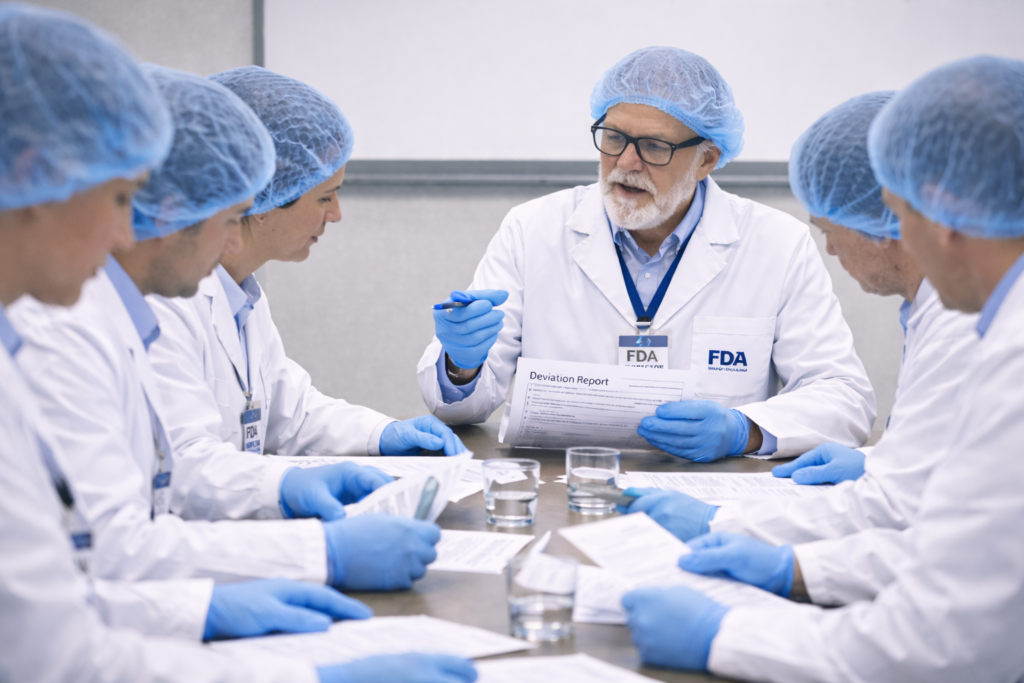
- Mock inspection preparation for leadership teams
Consequently, the organization improved inspection readiness, strengthened internal processes, and increased operational confidence before agency review.
Recommended Next Steps
Request a 20-Minute Introductory Discussion
- Review current regulatory and operational challenges
- Discuss relevant project experience and industry expertise
- Understand realistic timelines and implementation expectations
- Request preliminary scoping estimates
Prepare Internal Information Before Engagement
- Current project scope or audit findings
- Upcoming regulatory milestones or deadlines
- Existing documentation and system inventories
- Internal staffing and resource availability
Use This Internal Evaluation Checklist
- Define key compliance and operational risks
- Identify required subject matter expertise
- Assess internal bandwidth limitations
- Confirm project urgency and timeline constraints
- Evaluate flexibility and scalability needs
- Identify decision-making stakeholders
Frequently Asked Questions
When should companies engage a consulting firm?
Organizations typically engage consulting support when internal capacity becomes limited, compliance complexity increases, or inspection readiness requirements intensify.
What should consulting firms deliver beyond strategy?
Strong consulting firms provide practical implementation support including documentation development, validation execution, remediation activities, and operational alignment.
Can consultants support FDA inspection readiness?
Yes. Consulting firms often provide mock inspections, gap assessments, remediation planning, and inspection coaching aligned with FDA expectations.
Why is 21 CFR Part 11 compliance important?
21 CFR Part 11 compliance is essential for systems managing regulated electronic records and signatures, including audit trails, access controls, and data governance.
Do consulting firms support ISO 13485 compliance?
Yes. Many firms support ISO 13485 implementation, internal audits, remediation, and post-market quality system activities.
Can consultants assist with CAPA remediation?
Yes. CAPA support commonly includes root cause analysis, risk assessment, corrective action planning, and effectiveness verification aligned with ICH Q9 principles.
How quickly can consulting support begin?
Timelines depend on project complexity, but experienced consulting firms can often mobilize rapidly following initial scoping discussions.
Do organizations need full-time consultants?
Not necessarily. Many consulting firms offer flexible part-time, project-based, or hybrid engagement models.
Can consulting firms support global regulatory strategy?
Yes. Experienced firms support FDA, EMA, MHRA, Health Canada, and other international regulatory pathways.
Why Teams Choose BioBoston Consulting
- Senior experts, including former FDA investigators, lead project delivery
- Support spans quality, regulatory, clinical, validation, and operational functions
- Flexible engagement models align with evolving business needs
- Experience across more than 1,000 projects and 30+ countries
- Strong focus on execution, remediation, and inspection readiness
- 97% repeat client engagement rate
- Global Excellence Award, Best Life Science Business Consultancy, 2024
- Global Excellence Award, Best Life Science Business Consultancy, 2025
- Winner of Global Health & Pharma’s Biotechnology & Lifesciences Awards 2026
- Life Sciences Quality & Regulatory Excellence Partner of the Year 2026
- GHP Client Support Excellence Award 2026
Ultimately, organizations select BioBoston Consulting when they require practical consulting support that connects regulatory strategy with operational execution.
In highly regulated life sciences environments, predictable execution remains critical. Partnering with a consulting firm that combines senior expertise, structured delivery, and hands-on implementation can significantly reduce compliance risk while improving operational performance throughout the product lifecycle.