
Common Challenges in Pharmaceutical Technology Transfer
Even well-planned transfers can encounter operational challenges. Some of the most common issues include:
-
incomplete documentation
-
differences in manufacturing equipment
-
process scale-up variability
-
insufficient communication between teams
-
delays in regulatory documentation
We often see these issues arise when technology transfer planning begins too late in the development process.
Early planning and cross-functional collaboration significantly reduce the risk of delays.
Technology Transfer in Pharma: Meeting FDA and EMA Regulatory Expectations
Technology transfer is one of the most critical transitions in pharmaceutical development. Moving a product from research or pilot-scale production to full commercial manufacturing requires far more than technical replication. It involves transferring knowledge, documentation, processes, and quality systems in a way that maintains product safety, consistency, and regulatory compliance.
For biotech and pharmaceutical organizations, technology transfer often occurs at pivotal moments when clinical programs expand, when manufacturing sites change, or when commercialization begins. At these stages, regulators expect companies to demonstrate that the product can be manufactured consistently and in compliance with Good Manufacturing Practice (GMP) standards.
Regulatory agencies such as the U.S. Food and Drug Administration (FDA) and the European Medicines Agency (EMA) closely evaluate technology transfer processes to ensure that product quality, safety, and efficacy remain unchanged during the transition.
Companies that manage technology transfer effectively can scale production smoothly while maintaining regulatory confidence. Those that underestimate the complexity of the process often face delays, regulatory questions, or manufacturing setbacks.
Why Technology Transfer Matters in Pharmaceutical Development
Technology transfer is the structured process of moving manufacturing knowledge, analytical methods, and operational processes from one organization or facility to another.
This transition commonly occurs in several situations:
-
Moving from R&D laboratories to pilot manufacturing
-
Transferring processes to contract development and manufacturing organizations (CDMOs)
-
Scaling production from clinical to commercial manufacturing
-
Transferring production between global manufacturing sites
At each stage, the receiving facility must demonstrate that it can reproduce the process reliably while maintaining regulatory compliance.
The challenge lies in ensuring that the transferred process performs consistently under new operational conditions. Even small variations in equipment, environment, or operator training can affect product quality.
We often see companies underestimate how much documentation, training, and process understanding are required for a successful transfer.
FDA Expectations for Technology Transfer
The U.S. Food and Drug Administration expects pharmaceutical companies to implement structured, well-documented technology transfer programs aligned with current Good Manufacturing Practice (cGMP) requirements.
Regulators evaluate several core elements during inspections.
1. Comprehensive Transfer Documentation
Documentation forms the backbone of technology transfer. Regulatory inspectors expect clear evidence that all relevant process knowledge has been transferred to the receiving facility.
Typical documentation includes:
-
Process development reports
-
Manufacturing process descriptions
-
Batch records and specifications
-
Analytical method validation reports
-
Equipment qualification documentation
-
Stability data and product characterization
Incomplete or inconsistent documentation can raise concerns about process understanding and quality control.
2. Process Validation and Reproducibility
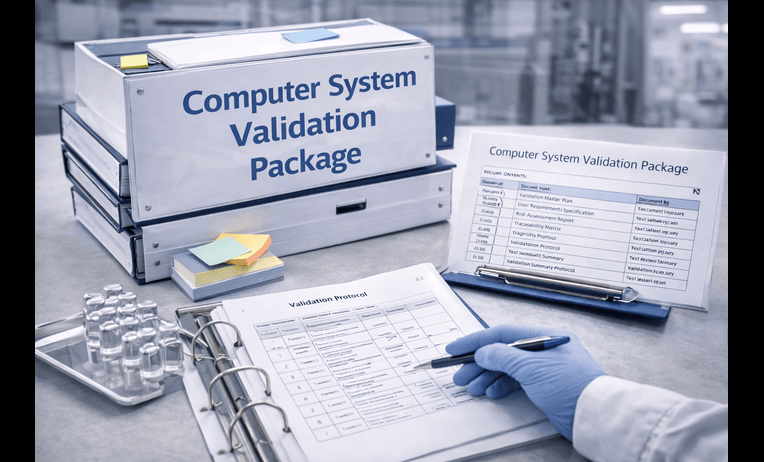
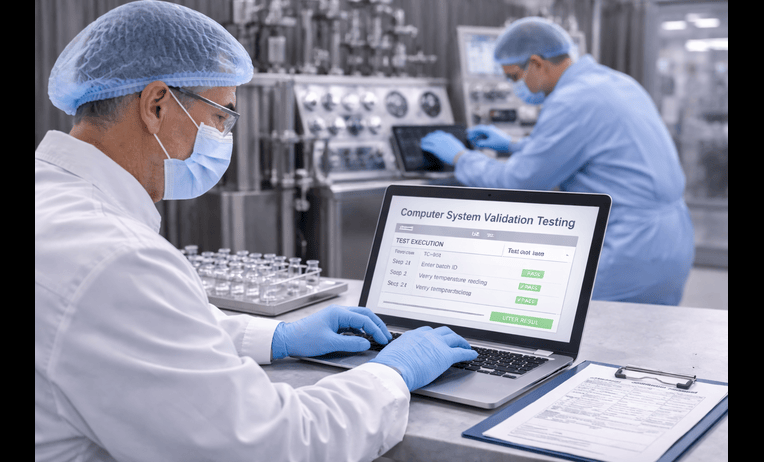
A successful transfer must demonstrate that the receiving facility can reproduce the manufacturing process consistently.
The FDA evaluates:
-
Process validation protocols
-
Performance qualification batches
-
Process capability and variability
-
Critical process parameter monitoring
These activities help confirm that the transferred process performs as expected at the new manufacturing location.
3. Analytical Method Transfer
Analytical testing methods must also be successfully transferred to the receiving laboratory.
This includes:
-
Verification of analytical method performance
-
Training of laboratory staff
-
Reproducibility testing between laboratories
-
Validation of instrumentation and equipment
Analytical method inconsistencies are a frequent source of regulatory questions during technology transfer.
4. Quality System Integration
Technology transfer must occur within a functioning Quality Management System (QMS).
Inspectors often review:
-
Change control processes
-
Deviation management systems
-
CAPA (Corrective and Preventive Action) procedures
-
Training documentation
Strong quality systems demonstrate that organizations can manage process changes while maintaining compliance.
EMA Expectations for Technology Transfer
The European Medicines Agency evaluates technology transfer through similar regulatory principles but places additional emphasis on lifecycle management and process understanding.
Under EU GMP guidelines, companies must demonstrate full knowledge transfer between sending and receiving sites.
Key regulatory expectations include:
Structured Technology Transfer Protocols
Technology transfer activities should follow formalized protocols that define:
-
Transfer scope
-
Responsibilities of sending and receiving units
-
Acceptance criteria for transfer success
-
Documentation requirements
These protocols help ensure that transfers occur systematically and transparently.
Risk-Based Process Evaluation
European regulators encourage risk-based approaches to process evaluation.
Companies are expected to assess:
-
Critical process parameters
-
Process variability risks
-
Product quality attributes
-
Manufacturing scale differences
This risk-based approach aligns with broader pharmaceutical quality guidelines.
Lifecycle Management
Technology transfer is increasingly viewed as part of a broader product lifecycle management strategy.
Companies must demonstrate ongoing oversight of manufacturing processes even after transfer completion.
Lifecycle monitoring includes:
-
Continued process verification
-
Stability monitoring
-
Post-approval change management
These activities ensure that product quality remains consistent throughout commercial production.
Common Technology Transfer Challenges
Even experienced pharmaceutical organizations can encounter difficulties during technology transfer.
Several recurring challenges appear across the industry.
Incomplete Knowledge Transfer
Process knowledge often resides within small development teams. When documentation does not capture this knowledge fully, the receiving manufacturing team may struggle to reproduce the process accurately.
Equipment Differences
Manufacturing facilities rarely use identical equipment.
Differences in reactor size, mixing dynamics, or filtration systems can affect product characteristics.
These variations require careful process adaptation and validation.
Communication Gaps Between Teams
Technology transfer typically involves multiple departments:
-
Process development
-
Manufacturing operations
-
Quality assurance
-
Regulatory affairs
-
Analytical laboratories
Without structured communication, important information can be lost between teams.
Limited Early Regulatory Planning
Another pattern we often see is regulatory planning occurring too late in the transfer process.
When regulatory considerations are not integrated early, companies may need to repeat validation work or provide additional data during regulatory review.
Best Practices for Successful Technology Transfer
Companies that consistently manage successful transfers usually follow several best practices.
Start Technology Transfer Planning Early
Planning should begin during late-stage development rather than immediately before manufacturing scale-up.
Early planning allows teams to identify potential challenges before they become critical.
Create Detailed Transfer Protocols
Clear transfer protocols establish responsibilities, timelines, and success criteria for the transfer process.
This structured approach reduces uncertainty and ensures consistent documentation.
Conduct Cross-Functional Reviews
Technology transfer should involve collaboration between multiple teams.
Regular cross-functional meetings help ensure alignment across development, manufacturing, and regulatory teams.
Implement Robust Training Programs
Operators, analysts, and quality personnel at the receiving facility must understand the transferred process thoroughly.
Structured training programs ensure that operational knowledge is properly communicated.
Perform Mock Audits and Internal Reviews
Internal audits before regulatory inspections help identify compliance gaps.
Mock inspections can simulate regulatory reviews and prepare teams for real regulatory interactions.
The Role of Life Sciences Consulting in Technology Transfer
Technology transfer is often a high-stakes moment in product development. Delays at this stage can affect clinical timelines, regulatory approvals, and product launch schedules.
Many biotech and pharmaceutical companies engage experienced consulting partners to support technology transfer initiatives.
Specialized life sciences consulting firms bring several advantages:
-
Deep understanding of regulatory expectations
-
Experience with global technology transfer programs
-
Cross-industry best practices
-
Independent risk assessments
For companies scaling manufacturing operations or transferring processes to global sites, this external expertise can help reduce risk and improve execution.
The Future of Technology Transfer in the Pharmaceutical Industry
Technology transfer is becoming increasingly complex as the life sciences industry evolves.
Several trends are shaping the future of pharmaceutical manufacturing transfers:
Growth of Global Manufacturing Networks
Many pharmaceutical companies now operate multiple manufacturing facilities worldwide, increasing the frequency and complexity of technology transfers.
Expansion of Biologics and Advanced Therapies
Biologic products, gene therapies, and cell therapies require highly specialized manufacturing processes that are more difficult to transfer than traditional small-molecule drugs.
Digital Manufacturing Systems
Advanced digital manufacturing platforms and data analytics tools are helping companies monitor technology transfer performance more effectively.
Greater Regulatory Scrutiny
Regulators continue to increase oversight of manufacturing practices, particularly in areas such as data integrity and lifecycle management.
Strengthening Technology Transfer for Regulatory Success
Technology transfer is more than a technical handoff. It is a strategic process that ensures scientific innovation can move reliably from development laboratories to large-scale manufacturing.
When companies approach technology transfer with strong planning, comprehensive documentation, and integrated quality systems, they can navigate regulatory expectations more effectively.
Meeting the expectations of regulators such as the U.S. Food and Drug Administration and the European Medicines Agency requires disciplined coordination between development, manufacturing, and regulatory teams.
Organizations that invest in strong technology transfer frameworks not only reduce regulatory risk but also strengthen the long-term reliability of their manufacturing operations ultimately ensuring that new therapies reach patients safely and efficiently.
How BioBoston Consulting Supports Technology Transfer
BioBoston Consulting supports pharmaceutical and biotechnology organizations through complex technology transfer programs.
Our consulting teams assist companies with:
-
technology transfer strategy and planning
-
risk assessments and gap analysis
-
cGMP compliance alignment
-
process validation readiness
-
regulatory documentation support
By combining regulatory expertise with operational insight, we help organizations reduce transfer risks while maintaining product quality and compliance.
Preparing for a technology transfer between development and manufacturing teams?
Connect with BioBoston Consulting to discuss how experienced consultants can help strengthen planning and reduce operational risk.
Contact BioBoston Consulting today to learn how technology transfer services can accelerate your product journey and ensure regulatory success.
Visit BioBoston Consulting to get started.