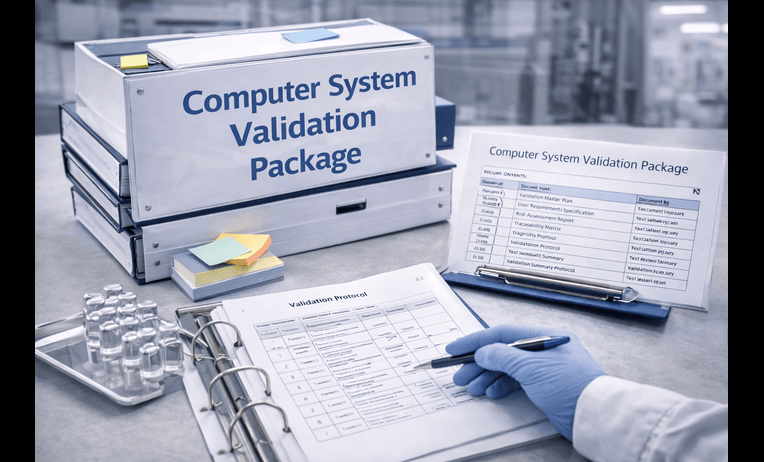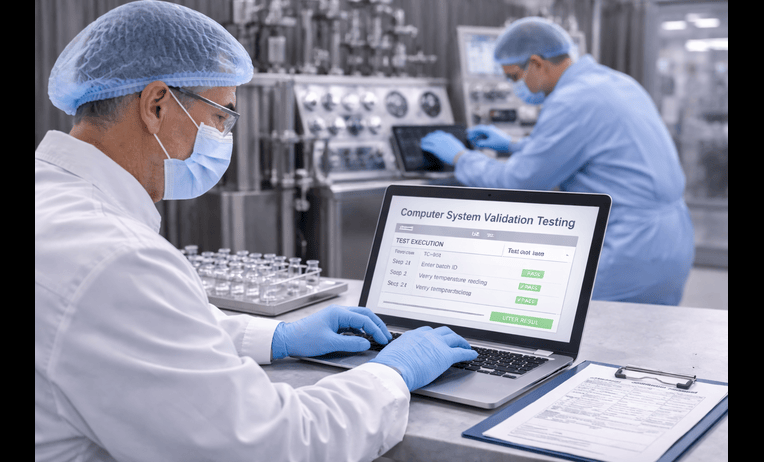

Technology transfer is a critical step in pharmaceutical development. It bridges the gap between product development and commercial manufacturing, ensuring that a process developed in research or pilot facilities can be reproduced consistently at a manufacturing site.
For biotech and pharmaceutical companies, this transition involves more than simply replicating a manufacturing process. It requires transferring scientific knowledge, operational procedures, analytical methods, and quality systems in a structured and compliant way.
Regulatory agencies such as the U.S. Food and Drug Administration and the European Medicines Agency place strong emphasis on quality oversight during technology transfer. Regulators expect organizations to demonstrate that product quality, safety, and efficacy remain unchanged as manufacturing responsibilities move between teams, facilities, or organizations.
Companies that approach technology transfer with strong Quality Management System (QMS) frameworks are more likely to avoid regulatory delays, manufacturing inconsistencies, and operational disruptions.
The Importance of Quality Management in Technology Transfer
Quality management plays a central role in ensuring that transferred processes remain reliable and compliant.
When technology transfer occurs without strong quality oversight, several risks can emerge:
-
Manufacturing deviations due to incomplete process understanding
-
Inconsistent analytical testing results between laboratories
-
Documentation gaps that raise regulatory concerns
-
Delays in validation and commercial production timelines
We often see promising development programs encounter avoidable delays when quality considerations are introduced too late in the transfer process.
A structured quality framework helps ensure that every stage of the transfer—from documentation review to process validation—is conducted systematically and transparently.
Key Components of Quality Management in Tech Transfer
Effective quality management during technology transfer involves several interconnected elements.
1. Clear Technology Transfer Protocols
The first step in maintaining quality is establishing a formal technology transfer protocol.
This document typically defines:
-
Scope of the technology transfer
-
Roles and responsibilities of sending and receiving sites
-
Documentation requirements
-
Transfer success criteria
-
Validation and verification requirements
Structured protocols help ensure that all stakeholders understand the expectations for the transfer process.
2. Comprehensive Documentation Practices
Documentation is one of the most heavily scrutinized areas during regulatory inspections.
Pharmaceutical companies must ensure that the receiving site has access to complete and accurate documentation, including:
-
Process development reports
-
Manufacturing procedures and batch records
-
Critical process parameter definitions
-
Analytical testing methods and validation reports
-
Stability data and product specifications
Incomplete documentation is a common reason regulators question technology transfer programs.
3. Analytical Method Transfer
Analytical laboratories play a critical role in verifying product quality.
During technology transfer, analytical methods must be successfully replicated at the receiving laboratory.
This process usually involves:
-
Method verification testing
-
Cross-laboratory comparison studies
-
Equipment qualification
-
Analyst training and competency verification
Consistent analytical performance ensures that product quality can be monitored accurately across facilities.
4. Process Validation and Performance Qualification
Process validation confirms that the transferred manufacturing process performs consistently in the new facility.
Regulators expect companies to conduct validation activities that demonstrate:
-
Reproducibility of manufacturing operations
-
Control of critical process parameters
-
Consistency of product quality attributes
Performance qualification batches are often reviewed closely during regulatory inspections.
5. Change Control Management
Technology transfer often requires adjustments to equipment, raw materials, or manufacturing procedures.
A strong change control system ensures that these adjustments are properly evaluated, documented, and approved before implementation.
Change control reviews typically assess:
-
Impact on product quality
-
Regulatory implications
-
Validation requirements
-
Documentation updates
Without structured change control, even minor process modifications can introduce regulatory risk.
Aligning Tech Transfer with Global Regulatory Expectations
Regulatory authorities worldwide expect pharmaceutical companies to integrate quality management throughout the product lifecycle.
Both the U.S. Food and Drug Administration and the European Medicines Agency emphasize lifecycle-based quality management approaches.
This means that technology transfer should not be treated as a single event. Instead, it should be viewed as part of an ongoing process that includes:
-
Development knowledge capture
-
Manufacturing process understanding
-
Continuous process verification
-
Ongoing quality monitoring
Lifecycle quality management ensures that product quality remains stable even as manufacturing operations evolve.
Common Quality Challenges During Tech Transfer
Despite careful planning, technology transfer can introduce several quality-related challenges.
Knowledge Transfer Gaps
Process knowledge developed during research phases is not always fully documented. When this knowledge is not transferred effectively, manufacturing teams may struggle to reproduce the process.
Equipment and Facility Differences
Manufacturing equipment varies between facilities. Differences in scale, mixing characteristics, or environmental conditions can affect process performance.
Quality teams must evaluate these differences carefully during validation.
Inconsistent Documentation Practices
Documentation standards may differ between organizations or facilities, particularly when working with contract manufacturing partners.
Standardizing documentation expectations is essential for maintaining regulatory compliance.
Limited Early Quality Involvement
Quality teams sometimes become involved late in the technology transfer process.
When quality oversight begins too late, organizations may need to repeat validation work or address unexpected regulatory questions.
Best Practices for Strengthening Quality Management
Companies that consistently manage successful technology transfers often adopt several best practices.
Integrate Quality Teams Early
Quality professionals should participate in technology transfer planning from the earliest stages.
Their involvement helps identify potential compliance risks before transfer activities begin.
Establish Cross-Functional Governance
Technology transfer involves collaboration between multiple teams:
-
Process development
-
Manufacturing operations
-
Quality assurance
-
Regulatory affairs
-
Analytical laboratories
Cross-functional governance structures help maintain alignment throughout the transfer process.
Implement Risk-Based Evaluation
Risk-based frameworks help organizations prioritize quality oversight efforts.
By focusing on critical quality attributes and critical process parameters, companies can allocate resources where they matter most.
Conduct Internal Audits
Internal audits provide an opportunity to review technology transfer activities before regulatory inspections occur.
Mock audits often reveal documentation gaps or procedural inconsistencies that can be addressed proactively.
Strengthen Training and Knowledge Sharing
Personnel at receiving facilities must fully understand the transferred process.
Structured training programs and technical workshops help ensure that operational knowledge is communicated effectively.
The Role of Consulting Support in Tech Transfer Quality
Technology transfer often requires specialized expertise that internal teams may not encounter frequently.
Life sciences consulting firms can provide independent support in areas such as:
-
Technology transfer planning
-
Regulatory documentation preparation
-
Quality system assessments
-
Internal audit preparation
-
Process validation strategy
External advisors can also help identify potential compliance gaps based on experience with previous regulatory inspections.
Building a Culture of Quality in Technology Transfer
Improving quality management during technology transfer ultimately requires more than procedures and documentation.
Successful organizations cultivate a culture of quality, where employees across departments understand their role in maintaining regulatory compliance.
This culture typically includes:
-
Strong leadership commitment to quality
-
Transparent communication across teams
-
Continuous improvement initiatives
-
Proactive risk management
When quality principles are embedded across the organization, technology transfer becomes a controlled and predictable process rather than a high-risk operational transition.
Supporting Reliable Manufacturing Transitions
Technology transfer represents one of the most important operational milestones in pharmaceutical development. When managed effectively, it enables companies to scale production, expand manufacturing networks, and deliver new therapies to patients.
Improving quality management throughout the transfer process helps organizations maintain regulatory confidence while ensuring that manufacturing processes remain consistent and reliable.
By aligning quality systems with expectations from regulators such as the U.S. Food and Drug Administration and the European Medicines Agency, pharmaceutical companies can strengthen compliance frameworks and reduce operational risk.
As the complexity of pharmaceutical manufacturing continues to grow, robust quality management during technology transfer will remain essential for successful product development and commercialization.
How BioBoston Consulting Supports Technology Transfer
BioBoston Consulting works with pharmaceutical and biotechnology organizations to support complex technology transfer programs.
Our consulting teams assist with:
-
technology transfer planning and protocols
-
risk assessments and gap analysis
-
cGMP compliance alignment
-
validation, readiness, and documentation
-
regulatory submission support
By combining regulatory expertise with operational insight, we help organizations reduce technology transfer risk and maintain compliance during scale-up.
Preparing for a technology transfer between development and manufacturing teams?
Connect with BioBoston Consulting to discuss how experienced consultants can help strengthen planning and reduce operational risk.