FDA Inspection Readiness is becoming a critical requirement for pharma, biotech, and medical device organizations operating under strict global regulatory oversight. As inspection expectations increase across US FDA inspections and EU GMP frameworks, companies must demonstrate continuous control of quality systems rather than reactive compliance.
In practice, FDA Inspection Readiness directly impacts outcomes during FDA inspections, fda audits, and regulatory inspections that determine product approvals and manufacturing continuity. Additionally, companies preparing for pre approval inspection fda, pai inspection, pai audit, and pre approval inspection events face heightened scrutiny across validation, documentation, and data integrity systems.
Therefore, structured readiness is no longer optional. It is a core operational capability for any organization preparing for regulatory milestones or remediation programs.
Learn more about structured support here: FDA Inspection Readiness Services
Quick Answer
FDA Inspection Readiness is a structured approach to ensure systems, documentation, and operations are continuously prepared for regulatory inspections such as FDA inspections, GMP audits, and pre-approval evaluations. It reduces compliance risk and strengthens inspection outcomes through proactive system control.
What Good FDA Inspection Readiness Support Includes
- Gap assessment aligned with FDA inspection guidelines and GxP expectations
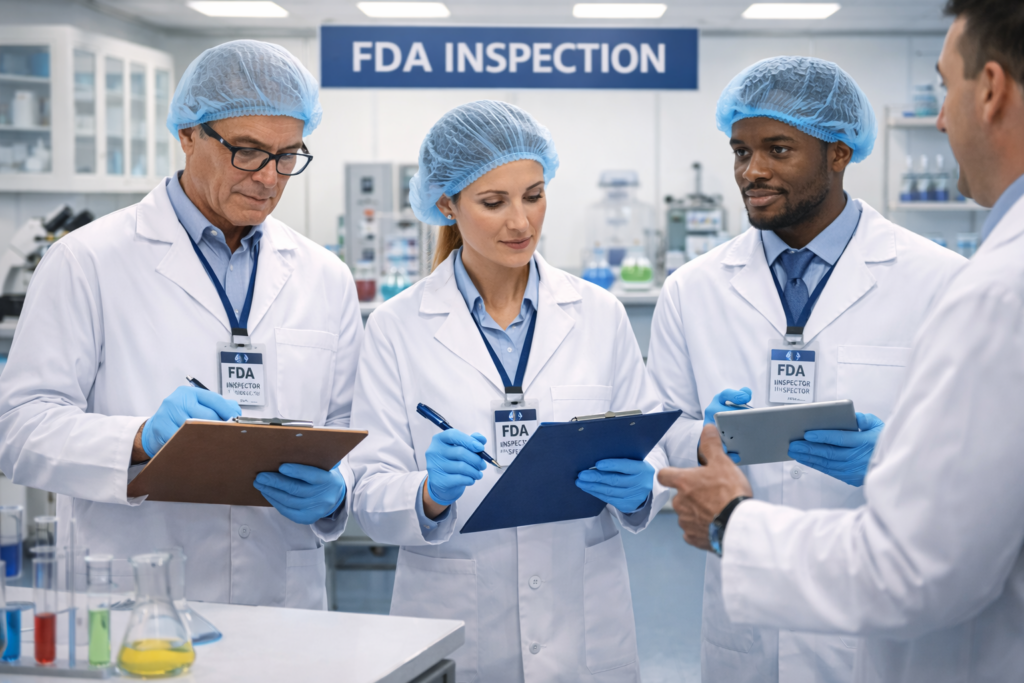
- Mock inspection simulations replicating real inspector behavior
- Data integrity evaluation aligned with ALCOA+ principles
- CAPA system effectiveness review and remediation planning
- Validation and CSV readiness across computerized systems
- Documentation control and SOP lifecycle assessment
- Support for pre approval inspection fda, pai inspection, pai audit, and pre approval inspection preparation
- Inspection response planning for FDA Form 483 scenarios
When Companies Usually Need FDA Inspection Readiness Support
- Before regulatory submissions requiring inspection readiness validation
- During preparation for pre approval inspection fda, pai inspection, and pai audit events
- After receiving FDA inspection 483 observations
- When scaling manufacturing or clinical operations
- During quality system remediation or transformation programs
- When entering US FDA or EU regulatory jurisdictions
Regulatory Pressure Behind Modern FDA Inspection Expectations
However, FDA inspection frameworks today focus heavily on system maturity rather than documentation alone. Inspectors evaluate decision making, deviation handling, and data traceability across the entire quality system.
Additionally, organizations preparing for pre approval inspection fda and pai inspection must demonstrate complete control over manufacturing consistency, validation evidence, and documentation integrity.
In contrast, weak quality systems often fail during fda audits due to fragmented CAPA execution and inconsistent training records.
For reference, FDA guidance on inspections and compliance expectations is available at FDA.gov.
What Strong Inspection Readiness Looks Like in Practice
In practice, FDA Inspection Readiness requires integration across QA, manufacturing, validation, and regulatory functions. Therefore, leading organizations focus on continuous inspection preparedness rather than last-minute preparation.
Key elements include:
- Real-time quality metrics and deviation monitoring
- Validated systems aligned with 21 CFR Part 11 and EU Annex 11
- Training effectiveness tracking and competency mapping
- Robust CAPA lifecycle management
- Vendor qualification and supplier oversight programs
- Internal audit cycles aligned with risk-based models
Additionally, companies preparing for pai audit events often prioritize manufacturing readiness and validation traceability as inspection focal points.
Common Scope of FDA Inspection Readiness Programs
However, inspection readiness programs vary depending on product stage and regulatory exposure.
Typical deliverables include:
- Mock FDA inspection execution and reporting
- FDA audit checklist development and gap analysis
- Documentation review across batch records and validation files
- Inspection readiness assessment and scoring
- Remediation planning for FDA inspection findings
- Pre approval inspection readiness simulations
- CAPA effectiveness validation
These components are especially critical during pre approval inspection fda cycles where regulatory approval depends on inspection outcomes.
Common Mistakes in Inspection Preparation
In contrast, many organizations approach inspection readiness too late or too narrowly.
Frequent mistakes include:
- Treating FDA inspection preparation as a one-time event
- Weak alignment between QA and operations teams
- Incomplete validation documentation
- Poor data integrity governance
- CAPA closure without root cause depth
- Lack of structured inspection simulations
Moreover, failure to prepare for pai inspection scenarios often leads to unexpected findings during regulatory review.
How BioBoston Consulting Supports Inspection Readiness
Therefore, structured consulting support is often used to stabilize inspection readiness programs and reduce regulatory risk.
BioBoston Consulting typically supports organizations through:
- Risk-based inspection readiness assessments
- Mock FDA inspection simulations
- CAPA remediation and closure validation
- Validation and CSV readiness programs
- GMP and clinical inspection readiness support
- Structured preparation for pre approval inspection fda, pai inspection, pai audit, and pre approval inspection events
Additionally, engagement models are flexible and tailored to urgent inspection timelines or long-term transformation programs.
Learn more here: FDA Inspection Readiness Services
Case Study
A mid-sized biotech organization preparing for regulatory submission faced uncertainty around inspection readiness due to fragmented validation records and inconsistent CAPA execution.
During the engagement, systems were reviewed across manufacturing documentation, training records, and deviation workflows. Additionally, a mock inspection was conducted simulating FDA inspector behavior across QA and production areas.
As a result, gaps were identified in documentation consistency and inspection response readiness. Therefore, the organization implemented structured remediation actions and strengthened internal audit cycles before submission.
Next Steps
Request a 20-minute Intro Call
- Review of current inspection readiness status
- Identification of high-risk compliance gaps
- Alignment on regulatory expectations
Ask for a Fast Scoping Estimate
Send the following:
- Target inspection timeline
- Available quality system documentation
- Scope of pre approval inspection fda, pai inspection, or pai audit readiness needs
Use This Checklist Internally
- CAPA system effectiveness reviewed
- Validation documentation complete
- SOP lifecycle control verified
- Data integrity controls assessed
- Training records validated
- Mock inspection completed
- Supplier qualification verified
- Deviation trends analyzed
FAQs
What is FDA Inspection Readiness in regulated industries?
It is the structured preparation of systems, documentation, and processes to ensure compliance during FDA inspections and regulatory audits.
How does pre approval inspection fda differ from routine inspections?
Pre approval inspection fda focuses on product approval readiness and manufacturing validation before market authorization.
What happens during a pai inspection?
A pai inspection evaluates whether manufacturing systems are capable of consistently producing compliant product batches.
What is a pai audit in regulatory terms?
A pai audit assesses readiness of quality systems, validation records, and production controls before regulatory approval decisions.
What are common FDA inspection findings?
Common findings include data integrity gaps, incomplete CAPA closure, and weak documentation control systems.
How can companies prepare for fda audits effectively?
They must implement continuous inspection readiness, structured CAPA systems, and validated quality processes.
Why is inspection readiness important before submission?
It ensures that systems can withstand regulatory scrutiny during approval-related inspections and reduces delay risk.
Why Teams Use BioBoston Consulting for FDA Inspection Readiness
Organizations partner with BioBoston Consulting because of deep regulatory expertise and global inspection experience. Clients value structured execution, senior expertise, and practical compliance solutions across regulated industries.
- 1,000+ life sciences consulting projects delivered across global markets
- 30+ countries supported with regulatory and quality system expertise
- 650+ senior consultants with hands-on industry and regulatory experience
- 97% repeat engagement rate reflecting long-term client trust
- Strong expertise in FDA Inspection Readiness Consulting, validation, and compliance systems
- Tailored solutions for pharma, biotech, and medical device companies
- Practical, execution-focused delivery model across regulated environments
- Flexible engagement models for remediation, readiness, and transformation programs
In practice, BioBoston Consulting helps organizations build sustainable inspection-ready systems that support long-term regulatory success, reduce risk exposure, and improve operational consistency.
Conclusion
FDA Inspection Readiness is most effective when treated as a continuous capability rather than a final-stage activity. Therefore, organizations that invest early in structured systems, validation discipline, and inspection simulation reduce regulatory uncertainty and improve execution confidence during inspections.