Building a Proactive Approach to FDA Inspection Readiness
For pharmaceutical, biotechnology, and medical device organizations, FDA Inspection Readiness Consulting has become essential for maintaining compliance in a highly scrutinized regulatory environment. Whether preparing for routine inspections from the U.S. Food and Drug Administration, a Pre-Approval Inspection (PAI), or a high-risk FDA audit, companies must demonstrate complete control over quality systems, documentation, and operational execution.
Modern FDA inspection expectations go far beyond SOP compliance. Inspectors evaluate whether systems are consistently applied in real operations, including data integrity, CAPA effectiveness, supplier controls, and employee competency.
Organizations that implement structured FDA inspection preparation programs and engage experienced FDA consultants significantly reduce the risk of FDA Inspection 483 findings and improve overall compliance maturity.
What is FDA Inspection Readiness Consulting?
FDA Inspection Readiness Consulting is a structured expert-led service that prepares organizations for regulatory inspections by assessing, strengthening, and validating quality systems, documentation, and operational readiness.
A complete FDA Inspection Readiness program typically includes:
- Inspection readiness assessment
- Mock FDA Inspection
- FDA audit preparation
- CAPA effectiveness review
- Data integrity (ALCOA+) evaluation
- SOP and documentation review
- Employee interview training
- Executive inspection readiness coaching
- Inspection simulation exercises
- Remediation planning
Organizations use FDA inspection readiness consulting to prepare before audits, product launches, or regulatory submissions.
Table of Contents
- Why FDA Inspection Readiness Consulting Matters
- What Inspectors Evaluate in an FDA Inspection
- 12 Proven FDA Inspection Readiness Strategies
- Common Gaps in FDA Audit Preparation
- Role of Mock FDA Inspection Programs
- Preparing for Pre-Approval Inspection (PAI)
- How FDA Consultants Improve Compliance
- Case Study
- FAQs
- Next Steps
Why FDA Inspection Readiness Consulting Matters
Regulatory oversight by the U.S. Food and Drug Administration continues to intensify across pharma, biotech, and medical device industries. Inspectors now focus heavily on system maturity, execution consistency, and leadership involvement.
Organizations frequently analyze:
- FDA inspection reports
- FDA inspection database
- FDA inspection classification database
- Historical FDA inspection data
These insights help identify recurring compliance risks and strengthen FDA audit checklist execution.
Without structured FDA inspection preparation, internal teams often miss systemic issues that external FDA consultants are trained to detect.
What Inspectors Evaluate During an FDA Inspection
During a formal FDA inspection, investigators evaluate whether systems are truly implemented—not just documented.
Key inspection focus areas include:
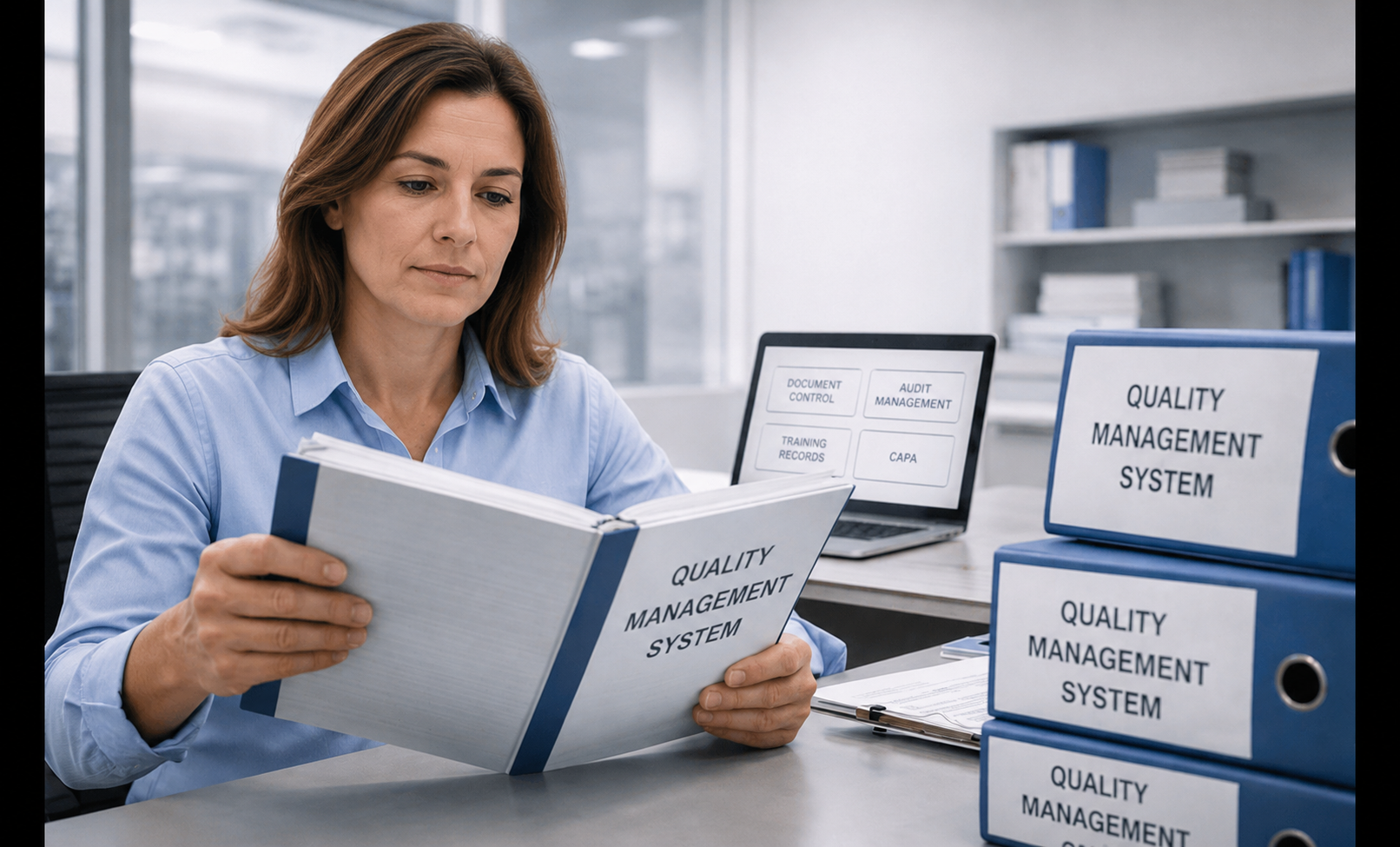
- Quality Management System (QMS)
- CAPA effectiveness
- Change control execution
- Supplier qualification programs
- Data integrity controls
- Validation lifecycle management
- Training effectiveness
- Risk management systems
- Batch record accuracy
- Internal audit effectiveness
Inspectors also reference frameworks aligned with International Organization for Standardization and GMP requirements to verify compliance.
12 Proven FDA Inspection Readiness Strategies
- Establish Continuous FDA Inspection Readiness
Move beyond reactive preparation and integrate FDA Inspection Readiness Consulting into daily quality operations.
- Perform Independent Inspection Gap Assessments
External FDA consultants provide unbiased evaluation of systems, identifying gaps in documentation, training, and execution.
- Conduct Realistic Mock FDA Inspection
A Mock FDA Inspection simulates real investigator behavior, testing documentation retrieval, interviews, and system readiness.
- Strengthen Data Integrity (ALCOA+ Compliance)
Data integrity is one of the most critical inspection focus areas in modern FDA inspections.
- Improve CAPA Effectiveness
Weak CAPA systems frequently lead to FDA Inspection 483 observations. Root cause validation is essential.
- Align SOPs with Real Operations
Inspectors often identify gaps between documented procedures and actual execution during FDA audit preparation.
- Prepare Employees for FDA Interviews
Structured training improves confidence and consistency during FDA inspection preparation activities.
- Strengthen Supplier Qualification Systems
Supplier controls are heavily reviewed during FDA inspections, especially for outsourced manufacturing.
- Prepare for Pre-Approval Inspection (PAI)
A Pre-Approval Inspection evaluates whether manufacturing systems support submitted regulatory data.
Key focus areas:
- Process validation
- Technology transfer
- Equipment qualification
- Batch record review
- Apply Risk-Based Thinking (ICH Q9)
Risk-based quality systems aligned with International Council for Harmonisation of Technical Requirements for Pharmaceuticals for Human Use improve system resilience.
- Use Inspection Intelligence Data
Organizations should benchmark using FDA inspection data and classification trends to identify compliance risks early.
- Build Executive-Level Readiness
Leadership must understand inspection narratives, risks, and system performance before regulators arrive.
Common Gaps in FDA Inspection Readiness Consulting
Even mature organizations often face:
- Weak documentation control
- Incomplete CAPA verification
- Poor training systems
- Supplier oversight gaps
- Data integrity issues
- Weak audit execution
- Lack of structured inspection readiness checklist
These issues frequently result in FDA Inspection 483 findings.
Role of Mock FDA Inspection in Compliance
A Mock FDA Inspection helps organizations:
- Identify documentation gaps
- Improve interview readiness
- Test system execution
- Validate CAPA effectiveness
It is one of the most effective tools in FDA inspection preparation.
Case Study
A pharmaceutical company preparing for a Pre-Approval Inspection (PAI) engaged external FDA Inspection Readiness Consulting support.
Actions included:
- Full Mock FDA Inspection
- CAPA system remediation
- SOP restructuring
- Data integrity review
- Executive training
Outcome: significantly improved system maturity and reduced regulatory risk before inspection.
FAQs
What is FDA Inspection Readiness Consulting?
It is a structured approach to preparing systems, documentation, and personnel for regulatory inspections.
When should companies start FDA inspection preparation?
Ideally months before a Pre-Approval Inspection or regulatory milestone.
What is a Mock FDA Inspection?
A simulated inspection used to identify compliance gaps before regulators arrive.
What do FDA inspectors focus on?
Quality systems, CAPA, data integrity, and real-world execution.
Next Steps
Organizations preparing for upcoming FDA inspections should:
- Conduct inspection readiness assessments
- Implement Mock FDA Inspection programs
- Strengthen CAPA systems
- Improve data integrity controls
- Train employees for inspections
Develop continuous FDA Inspection Readiness Consulting frameworks