
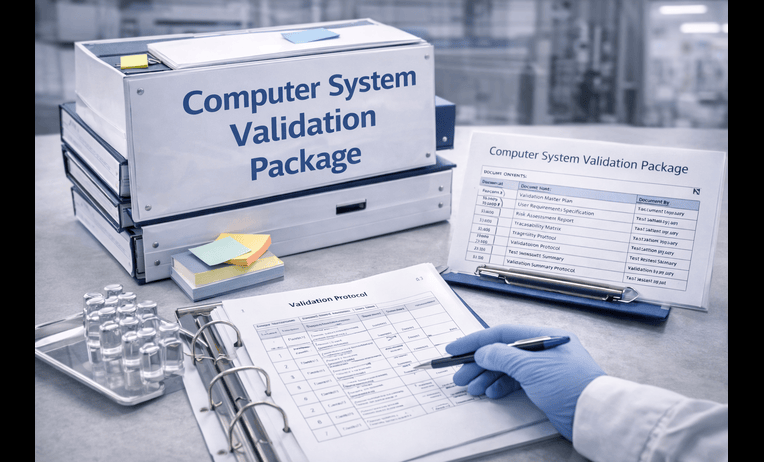
Preparing for an FDA inspection can place significant pressure on quality, validation, regulatory, and IT teams. Inspectors expect computerized systems supporting GxP activities to demonstrate consistent performance, controlled processes, and reliable data throughout the system lifecycle. Missing validation evidence, incomplete documentation, or weak lifecycle management can quickly become areas of regulatory concern. This is why Computer System Validation (also known as CSV full form: Computer System Validation) is a critical foundation of compliance in regulated industries.
Organizations often begin searching for the best Computer System Validation Consulting partner when an FDA inspection is announced or anticipated. Whether preparing for a pre-approval inspection, routine surveillance inspection, or post-remediation assessment, experienced computer systems validation support helps organizations identify gaps early and establish a structured approach before inspectors arrive.
Modern compliance expectations increasingly align with FDA software validation, FDA Computer Software Assurance, and evolving FDA’s new software validation requirements, which emphasize risk-based approaches rather than documentation-heavy validation models.
Computer System Validation Consulting provides practical guidance for validating GxP systems, strengthening documentation, improving data integrity, and demonstrating compliance with FDA expectations, 21 CFR Part 11, GAMP 5, Computer Software Assurance principles, and applicable international guidance.
Companies seeking practical support can learn more about BioBoston’s Computer System Validation Consulting Services:
Quick Answer
The best Computer System Validation Consulting for FDA inspection readiness combines risk-based validation, lifecycle management, inspection preparation, and practical execution. An experienced consulting partner helps organizations identify compliance gaps, strengthen validation documentation, and ensure every Computer System is properly controlled under a validated lifecycle.
In modern environments, organizations must also understand CSV vs CSA, where traditional CSV validation is evolving toward FDA Computer Software Assurance approaches.
What good Computer System Validation Consulting support includes
- Validation gap assessments
• Inspection readiness planning
• User Requirements Specifications
• Risk-based validation strategy
• GAMP 5 implementation
• FDA Computer Software Assurance adoption
• IQ, OQ, and PQ documentation
• Requirements Traceability Matrix
• Part 11 compliance assessment
• Data Integrity evaluation
• Validation Summary Reports
• Staff coaching for inspections
• Application of system validation best practices
• Execution of computer validation strategies in regulated environments
When companies usually need Computer System Validation Consulting
- Upcoming FDA inspection
• Pre-Approval Inspection
• Internal compliance audit findings
• CAPA remediation
• New computerized system implementation
• Quality Management System upgrades
• Regulatory submission preparation
• Global inspection readiness initiatives
• Deployment of regulated pharma validation software
• Implementation of new Computer System platforms in GxP environments
Table of Contents
- Why Computer System Validation Matters During FDA Inspections
• What FDA Inspectors Typically Review
• Twelve Characteristics of Strong Computer System Validation Consulting
• Typical Validation Deliverables
• Inspection Readiness Timeline
• Common Inspection Findings and How to Prevent Them
• Learn More About BioBoston’s Computer System Validation Support
• Case Study
• Next Steps
• FAQs
• Why Teams Use BioBoston Consulting
Why Computer System Validation Matters During FDA Inspections
FDA investigators increasingly evaluate computerized systems because they directly influence product quality, patient safety, manufacturing decisions, laboratory testing, electronic records, and regulatory submissions.
Computerized system validation ensures that systems consistently perform their intended functions while maintaining reliable, accurate, and secure data. Therefore, computer systems validation becomes a key inspection focus area.
Inspection readiness extends beyond completed protocols. Organizations must also demonstrate effective governance, change control, periodic review, supplier oversight, and lifecycle maintenance aligned with system validation expectations.
Inspectors frequently evaluate whether validation activities reflect actual business processes and system usage, not just documentation artifacts.
Organizations often underestimate how deeply audit trails of computer systems include user activity tracking, system modifications, timestamps, and electronic record integrity controls.
What FDA Inspectors Typically Review
Computerized systems supporting regulated activities are commonly examined during inspections. Therefore, organizations must ensure full CSV validation coverage across their validated systems.
Inspectors often request:
- Validation Master Plans
• User Requirements Specifications
• Functional Specifications
• Risk Assessments
• IQ / OQ / PQ documentation
• Validation Summary Reports
• Traceability Matrices
• Change Control records
• Deviation management
• Periodic Review documentation
• Backup and recovery procedures
• Supplier qualification records
• Training records
• Audit trail configuration
• Electronic signature controls compliant with FDA software validation expectations
Additionally, inspectors may evaluate whether organizations understand what is computerized system and what is computerised system, especially in relation to GxP classification and validation scope.
12 Characteristics of the Best Computer System Validation Consulting Partner
- Inspection-Focused Planning
Strong consultants align documentation with FDA expectations and inspection behavior.
- Risk-Based Validation
Modern validation aligns with FDA Computer Software Assurance principles.
- Deep GAMP 5 Experience
Ensures structured yet practical validation execution.
- Strong Part 11 Knowledge
Critical for electronic records compliance.
- Data Integrity Expertise
Supports ALCOA+ principles across validated systems.
- Practical Documentation
Avoids unnecessary complexity while maintaining compliance.
- Cross-Functional Coordination
Aligns IT, QA, validation, and operations teams.
- Supplier Qualification Support
Ensures third-party systems meet compliance expectations.
- Lifecycle Governance
Supports ongoing computer validation beyond deployment.
- Mock Inspection Experience
Prepares teams for real FDA questioning.
- Computer Software Assurance Transition Knowledge
Supports shift from traditional CSV vs CSA models.
- Clear Communication
Ensures inspection clarity and confidence.
Typical Computer System Validation Deliverables
Although each engagement differs, FDA inspection readiness projects commonly produce structured Computer System Validation outputs aligned with CSV validation and modern computerized system validation expectations.
Common deliverables include:
- Validation Strategy
• Validation Master Plan
• User Requirements Specifications
• Functional Risk Assessments
• Requirements Traceability Matrix
• IQ Protocols
• OQ Protocols
• PQ Protocols
• Validation Summary Report
• Part 11 Assessment
• Data Integrity Assessment
• SOP updates
• Periodic Review procedures
• Change Control recommendations
• Inspection readiness evidence package
• Documentation aligned with FDA software validation expectations
• Lifecycle evidence supporting system validation governance
Each deliverable must demonstrate that every Computer System used in GxP environments is controlled, tested, and maintained according to intended use.
A Practical FDA Inspection Readiness Timeline for Computer System Validation
Effective computer systems validation programs follow a structured lifecycle approach that aligns with regulatory expectations and FDA Computer Software Assurance principles.
Weeks 1–2: Validation Readiness Assessment
This phase establishes baseline compliance and identifies gaps in CSV validation.
Typical activities include:
- Computerized system inventory
• Validation documentation review
• Part 11 compliance assessment
• Risk prioritization
• Supplier documentation review
• Validation lifecycle assessment
• Inspection risk identification
• Determining scope of what is computerized system across operations
This stage ensures alignment between business operations and regulatory expectations before deeper validation work begins.
Weeks 3–5: Documentation Review and Gap Remediation
Existing documentation is evaluated against modern FDA’s new software validation requirements and updated regulatory expectations.
Typical deliverables include:
- Updated Validation Master Plan
• User Requirements Specifications
• Functional Risk Assessments
• Requirements Traceability Matrix
• SOP revisions
• Change Control review
• Validation protocol updates
• Alignment with CSV vs CSA transition expectations
• Application of pharma validation software validation principles where applicable
This phase ensures validation documentation reflects real system usage rather than outdated templates.
Weeks 6–8: Validation Verification
This phase confirms that validation execution aligns with intended system performance under computer validation principles.
Activities include:
- IQ execution
• OQ testing
• PQ verification
• Audit trail testing
• Electronic signature verification
• Security role review
• Backup and recovery testing
• Deviation resolution
• Verification of audit trails of computer systems include user actions, timestamps, and data integrity controls
Proper verification ensures Computer System Validation evidence is inspection-ready and defensible.
Weeks 9–12: Inspection Preparation
The final phase ensures both documentation and personnel readiness for FDA interaction.
Preparation includes:
- Validation Summary Reports
• Inspection-ready documentation packages
• Mock inspector interviews
• Document retrieval exercises
• QA coaching sessions
• CAPA verification
• Final readiness assessment
• Reinforcement of FDA Computer Software Assurance concepts in inspection responses
• Confirmation of full computer systems validation lifecycle coverage
By this stage, organizations demonstrate complete system validation maturity.
Common Computer System Validation Inspection Findings and How to Prevent Them
Most FDA observations are caused by process gaps rather than technical system failures.
Common findings include:
- Missing validation documentation
• Incomplete User Requirements Specifications
• Weak risk assessments
• Poor traceability between requirements and testing
• Inadequate Change Control
• Missing supplier qualification evidence
• Incomplete Part 11 assessments
• Weak audit trail governance
• Inconsistent training records
• Lack of structured CSV validation lifecycle
These issues often indicate insufficient alignment with FDA software validation expectations and incomplete implementation of computerized system validation best practices.
Learn More About BioBoston’s Computer System Validation Support
Effective inspection readiness requires both technical validation expertise and regulatory experience. BioBoston Consulting provides structured Computer System Validation services aligned with FDA Computer Software Assurance, GAMP 5, and modern CSV vs CSA expectations.
Additional resources:
Support may include:
- Validation strategy development
• FDA Computer Software Assurance implementation
• Validation documentation
• GAMP 5 methodology
• Part 11 compliance
• Data Integrity assessments
• Validation remediation
• Inspection readiness coaching
• Supplier qualification
• Lifecycle computer validation support
• Alignment with FDA’s new software validation requirements
Case Study
A mid-sized pharmaceutical manufacturer preparing for FDA inspection had recently implemented multiple validated systems across manufacturing and laboratory operations.
While systems were technically validated, inconsistencies existed in documentation quality, traceability matrices, and SOP alignment with current processes.
BioBoston Consulting conducted a full inspection readiness assessment covering computer systems validation, system configuration, audit trails, supplier qualification, and lifecycle governance.
Key improvements included:
- Updated Computer System Validation documentation
• Strengthened risk assessments aligned with FDA software validation expectations
• Improved traceability between requirements and testing
• Enhanced audit trail governance aligned with audit trails of computer systems include requirements
• Structured inspection preparation sessions
The organization achieved a unified validation framework aligned with CSV validation, computerized system validation, and modern regulatory expectations.
Next Steps
Request a 20-Minute Intro Call
During the discussion, your team can:
- Review current Computer System Validation challenges
• Identify inspection readiness priorities
• Discuss practical support options based on timelines
• Evaluate current CSV validation maturity
• Assess alignment with FDA Computer Software Assurance and CSV vs CSA transition strategies
• Review whether systems meet FDA software validation expectations
Ask for a Fast Scoping Estimate
To prepare an initial estimate, please email:
- Target computerized systems
• Planned inspection date
• Existing validation documentation
• Current compliance concerns
• Available project timelines
• Existing computer systems validation maturity
• Overview of Computer System landscape in scope
Use This Inspection Readiness Checklist Internally
Before requesting external support, verify that your organization has:
- Completed system inventory
• Approved Validation Master Plan
• Current User Requirements Specifications
• Risk Assessments for GxP systems
• Requirements Traceability Matrix
• IQ, OQ, and PQ documentation
• Part 11 assessment
• Audit trail review aligned with audit trails of computer systems include requirements
• Change Control procedures
• Validation Summary Reports
• Periodic Review procedures
• Staff inspection training
• Alignment with FDA’s new software validation requirements
• Adoption of modern system validation practices
FAQs
When should Computer System Validation begin before an FDA inspection?
Ideally, organizations should begin Computer System Validation well before inspection readiness activities. Early CSV validation reduces remediation effort and ensures systems are compliant throughout their lifecycle.
Can validation documentation be updated before an inspection?
Yes. Documentation can be updated as part of controlled computer systems validation activities, provided changes reflect actual system use and follow quality procedures.
Does FDA require every computerized system to be validated?
No. However, any Computer System supporting GxP activities generally requires validation under computerized system validation principles aligned with FDA software validation expectations.
How does Computer Software Assurance affect inspection readiness?
FDA Computer Software Assurance promotes risk-based thinking and reduces unnecessary testing while strengthening focus on critical system functionality. It complements modern CSV vs CSA approaches.
What documents do FDA investigators commonly request?
Inspectors typically review:
- Validation Plans
• User Requirements Specifications
• Risk Assessments
• IQ / OQ / PQ documentation
• Validation Summary Reports
• Change Control records
• Part 11 assessments
• Evidence of CSV validation execution
• Supporting system validation lifecycle documentation
Can BioBoston Consulting support only inspection preparation?
Yes. Support can be limited to inspection readiness, remediation, or targeted computer validation activities depending on project needs.
How long does inspection readiness usually take?
Timelines depend on system complexity and documentation maturity. Most computer systems validation readiness programs range from several weeks to a few months.
What makes a strong Computer System Validation Consulting partner?
A strong partner combines:
- Regulatory expertise
• Practical validation execution
• Deep GAMP 5 experience
• Strong understanding of FDA software validation
• Ability to implement scalable computerized system validation frameworks
• Experience with FDA Computer Software Assurance transitions
Why Teams Use BioBoston Consulting for Computer System Validation
- 25+ years of life sciences consulting experience
• 650+ senior experts including former FDA investigators
• 1,000+ successful validation and compliance projects
• Global support across 30+ countries
• Flexible engagement models for startups and enterprises
• Strong expertise in Computer System Validation, CSV validation, and computer validation
• Practical implementation of FDA Computer Software Assurance
• Alignment with FDA software validation and FDA’s new software validation requirements
• Proven inspection readiness delivery experience
• Award-winning life sciences consulting partner
Final Summary
Preparing for an FDA inspection requires more than documentation, it requires a complete, controlled, and risk-based Computer System Validation strategy across all regulated systems.
Organizations that implement strong computer systems validation, adopt modern CSV validation principles, and align with evolving FDA Computer Software Assurance expectations significantly reduce compliance risk and improve inspection readiness.
By integrating lifecycle governance, robust audit trails where audit trails of computer systems include user actions and system changes, and scalable validation frameworks, companies ensure their Computer System environment remains compliant, reliable, and inspection-ready.
Ultimately, aligning with FDA software validation, FDA’s new software validation requirements, and modern CSV vs CSA approaches allows organizations to achieve sustainable compliance while maintaining operational efficiency and regulatory confidence.