
Ensuring Reliable and Compliant Digital Operations
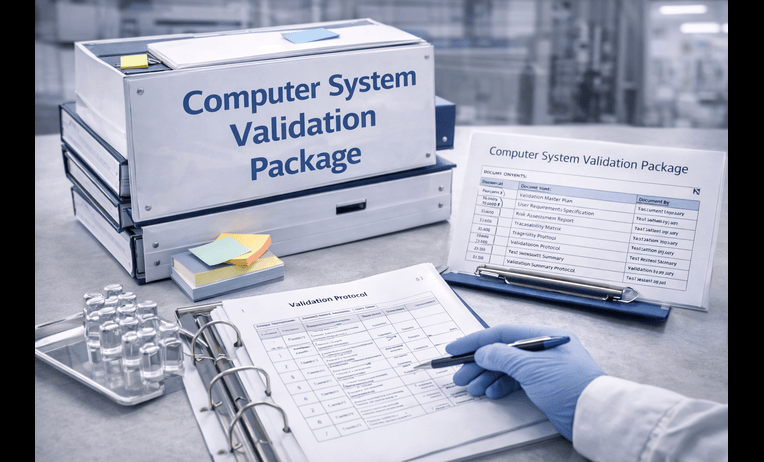
Computer System Validation (CSV) is an essential practice that helps regulated organizations verify the reliability, accuracy, and compliance of their computerized technology platforms.
Pharmaceutical, biotechnology, medical device, diagnostics, and healthcare organizations depend on digital systems to support critical processes such as manufacturing, quality operations, laboratory activities, research functions, and electronic data management.
As technology continues to transform life science operations, organizations must ensure that their systems operate as expected and remain aligned with regulatory requirements.
A well-defined computer system validation strategy provides documented evidence that systems are properly evaluated, controlled, and maintained throughout their lifecycle.
Validation supports organizations by improving system reliability, protecting data integrity, and creating confidence in technology-driven processes.
BioBoston Consulting provides practical validation solutions that help regulated organizations establish controlled and efficient technology environments.
Managing Critical Computerized System Environments
A computerized system consists of software, hardware, procedures, workflows, and users that work together to perform specific tasks.
Understanding what is computerized system helps organizations identify technology components that influence regulated activities.
Computerized systems are used across various areas, including:
- Laboratory operations
- Manufacturing environments
- Quality systems
- Electronic records management
- Research applications
- Enterprise technology platforms
Each system requires careful evaluation based on its intended use, complexity, and impact on business operations.
Effective management of computerized systems ensures information remains accurate, accessible, and protected.
Organizations must establish appropriate controls to ensure systems deliver consistent performance and maintain compliance throughout their operational lifecycle.
A controlled technology environment allows companies to identify potential risks early and apply suitable validation activities.
Creating a Sustainable CSV Validation Approach
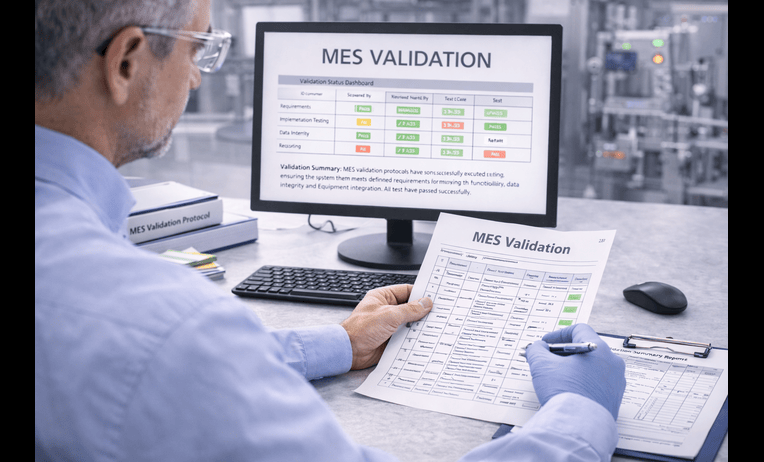
A strong csv validation program confirms that systems function according to approved requirements and support intended business processes.
Computer System Validation involves a series of planned activities designed to demonstrate that technology solutions operate correctly.
BioBoston Consulting supports organizations with:
- Validation planning
- System evaluation
- Requirement definition
- Risk-based assessment
- Testing support
- Validation documentation
- Compliance reviews
- Lifecycle management
A successful validation strategy considers both technical performance and operational requirements.
Validation should begin during system implementation and continue through regular system updates, modifications, and improvements.
Organizations that maintain effective validation processes can reduce technology risks while improving operational confidence.
A lifecycle-based approach ensures systems remain suitable and compliant as business requirements change.
Supporting FDA Software Validation Requirements
Software systems used in regulated industries require appropriate evaluation to ensure reliability and accuracy.
Organizations must understand fda software validation principles to establish effective software controls.
Regulatory expectations continue to evolve, including fda’s new software validation requirements, which encourage organizations to apply practical and risk-based validation approaches.
Software validation activities may include:
- Defining software requirements
- Reviewing intended use
- Performing risk assessments
- Executing verification activities
- Managing software changes
- Maintaining validation evidence
BioBoston Consulting helps organizations develop software validation programs that support compliance while remaining practical for daily operations.
A properly validated software environment enables organizations to maintain trust in their technology solutions.
Supporting Pharmaceutical and Healthcare Software Compliance
Life science organizations rely on technology platforms to manage complex and highly regulated activities.
A structured pharma validation software approach helps companies confirm that applications perform correctly and support quality-driven operations.
Validated software solutions help organizations maintain:
- Reliable workflows
- Accurate information processing
- Controlled operations
- Improved regulatory readiness
Through effective computer validation, organizations can verify that applications meet requirements and continue performing as expected.
Pharmaceutical and healthcare environments often involve multiple connected systems.
These systems must work together while maintaining appropriate controls for data accuracy, security, and compliance.
BioBoston Consulting supports organizations in evaluating their technology landscape and implementing validation strategies that meet operational needs.
Improving Software Assurance Through CSV vs CSA
The discussion around csv vs csa highlights the changing approach toward software quality and compliance.
Computer System Validation focuses on documenting that systems meet predefined requirements and operate correctly.
Computer Software Assurance (CSA) focuses on applying risk-based thinking to determine the appropriate level of assurance needed.
Organizations may evaluate their validation approach by considering:
- System impact
- Data integrity risks
- Product quality considerations
- Operational complexity
- Regulatory expectations
Both approaches support the goal of maintaining reliable and compliant software environments.
A practical strategy helps organizations focus validation resources where they create the greatest value.
BioBoston Consulting assists companies in understanding these approaches and developing validation processes suitable for their technology environment.
Applying Validation Practices Across Research Systems
Research organizations depend on specialized software tools to manage scientific workflows, data collection, and information analysis.
Following best practices for software validation in research settings helps maintain reliable and controlled research environments.
Important validation considerations include:
- Identifying system purpose
- Reviewing requirements
- Evaluating risks
- Managing system access
- Maintaining documentation
- Controlling system changes
Research systems often support activities where data accuracy and traceability are essential.
Proper validation ensures that software tools remain dependable and support high-quality research outcomes.
A controlled research technology environment improves confidence in data and supports consistent scientific processes.
BioBoston Consulting provides validation support designed for organizations managing research-focused technology platforms.
Maintaining Data Integrity with System Controls
Data integrity is a fundamental requirement for regulated organizations.
Electronic information must remain complete, accurate, secure, and traceable throughout its lifecycle.
Effective audit trails of computer systems provide visibility into system activities and record changes.
Audit trails capture important information such as:
- User actions
- Data modifications
- Record updates
- Approvals
- System events
These controls help organizations monitor activity and maintain accountability.
Audit trails also support compliance reviews by providing evidence of how information is created and managed.
Validated systems require appropriate controls to ensure electronic records remain trustworthy.
BioBoston Consulting supports organizations in strengthening data integrity practices through effective system validation and control strategies.
Managing Validation Throughout the System Lifecycle
Technology systems continue to evolve after deployment.
Software upgrades, configuration changes, integrations, and operational improvements can affect system performance.
A complete validation approach includes lifecycle management activities to maintain continued compliance.
Key lifecycle activities include:
- Change evaluation
- Periodic system reviews
- Risk assessment updates
- Documentation maintenance
- Performance monitoring
Organizations that actively manage validation throughout the lifecycle can maintain reliable systems while adapting to changing business needs.
BioBoston Consulting helps companies establish lifecycle practices that support long-term system performance.
Continuous validation management ensures technology remains effective and aligned with organizational goals.
Strengthening Compliance Through Expert Validation Support
BioBoston Consulting provides computer systems validation consulting services for organizations operating in regulated industries.
Our support helps companies improve validation programs, address technology risks, and maintain compliant system environments.
We support organizations with:
- Validation strategy development
- System assessments
- Risk management
- Documentation support
- Compliance improvement
- Process optimization
A strong validation program enables organizations to use technology confidently while meeting quality expectations.
Life science companies require solutions that balance regulatory requirements with operational practicality.
BioBoston Consulting works with organizations to develop validation approaches that support both current needs and future growth.
Building Future-Ready Validation Programs
Computer System Validation helps organizations establish dependable technology foundations for regulated operations.
Effective validation programs allow companies to:
- Improve system reliability
- Protect sensitive data
- Reduce compliance risks
- Support operational efficiency
- Maintain regulatory readiness
Technology continues to evolve, and organizations need validation strategies that adapt to new systems and processes.
BioBoston Consulting helps pharmaceutical, biotechnology, medical device, and healthcare organizations build sustainable validation programs.
By implementing structured validation practices, companies can strengthen their digital operations and maintain confidence in their technology environment.
Contact BioBoston Consulting to discuss your Computer System Validation requirements.
Frequently Asked Questions
What is computer system validation?
Computer System Validation is a documented process used to confirm that computerized systems operate correctly and meet approved requirements.
Why is csv validation important?
CSV validation helps organizations ensure systems are reliable, controlled, and suitable for regulated operations.
What is FDA computer software assurance?
FDA computer software assurance is a risk-based approach focused on confirming software performs critical functions correctly while supporting quality and data integrity.
Why are audit trails of computer systems important?
Audit trails provide records of system activities, changes, and user actions to support transparency and compliance.
Which industries use computer system validation?
Computer System Validation is widely used in pharmaceutical, biotechnology, medical device, diagnostics, and healthcare organizations.