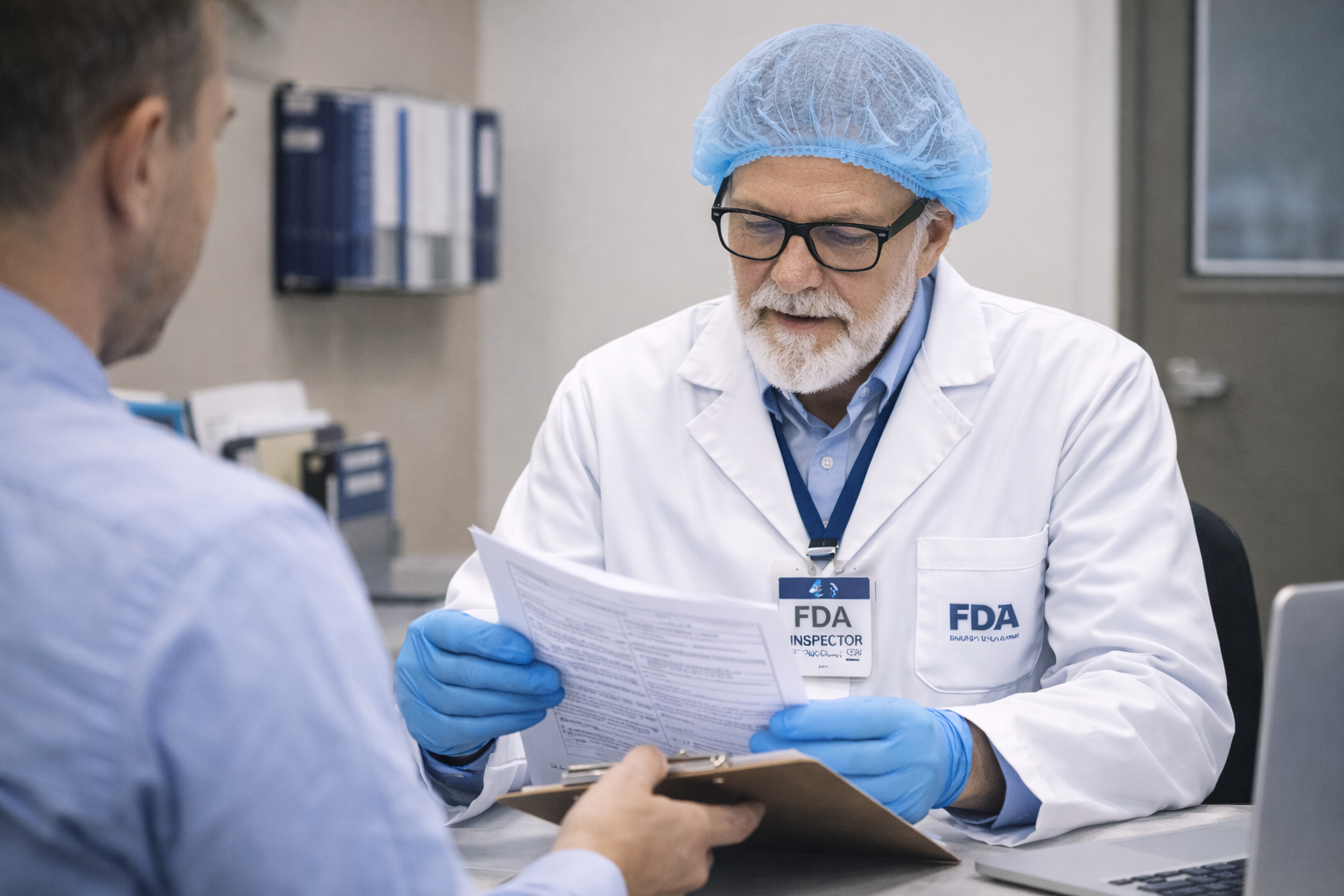
Understanding the Importance of FDA Registration
Understanding FDA registration is crucial for businesses and consumers alike. It ensures that products meet safety and quality standards.
FDA registration is often confused with FDA approval. However, they are distinct processes with different implications.
This guide will clarify these differences and explain the importance of FDA registration. We’ll explore how it impacts product safety and compliance.
Whether you’re a business owner or a consumer, knowing about FDA registration can help you make informed decisions.
Join us as we delve into the world of FDA regulations and their significance in today’s market.
What Does “FDA Registered” Mean?
FDA registration is a process through which facilities notify the FDA of their existence. This includes details about the products they manufacture or handle. Registration is crucial for transparency and accountability.
Being FDA registered does not mean a product is FDA approved. Registration simply indicates that a facility is listed with the FDA. This listing allows for inspections and regulations to be enforced.
Facilities involved in pharmaceuticals, food manufacturing, and medical devices often require FDA registration. This is a legal requirement to ensure public health and safety.
Key aspects of FDA registration include:
- Notification of facility details to the FDA
- Compliance with basic safety standards
- Availability for FDA inspections
Understanding these elements helps businesses remain compliant and assures consumers of product reliability.

FDA Registered vs. FDA Approved: Key Differences
FDA registered and FDA approved are often confused, yet they represent different concepts. Understanding the distinction is essential for consumers and businesses alike.
FDA Registered:
- Notifies the FDA about a facility’s existence.
- Does not guarantee product safety or efficacy.
- Allows the FDA to inspect the facility.
FDA Approved:
- Involves a detailed review of a product’s safety and effectiveness.
- Requires submission of scientific evidence and clinical trial data.
- Is mandatory for new drugs and high-risk medical devices.
This distinction can impact consumer trust and business operations. Knowing whether a product is registered or approved helps consumers make informed decisions about product safety and effectiveness.
For businesses, achieving FDA approval can be time-consuming and complex. However, it offers a significant advantage in competitive markets by demonstrating product quality.
Consumers should check product labels for FDA registration or approval marks. Understanding these marks aids in identifying products that meet rigorous safety standards.
Finally, businesses must align their products with FDA guidelines to ensure compliance. This includes adherence to strict standards and protocols throughout the manufacturing process.

The FDA Registration Process: Step by Step
The FDA registration process is crucial for businesses in regulated industries. It ensures facilities are known to the FDA, enabling oversight.
To begin, businesses must identify if their operations require registration. This typically involves food, pharmaceuticals, medical devices, and cosmetics.
Once determined, companies should gather necessary information about their facility. This information includes location, contact details, and product types.
The registration process involves the following steps:
- Visit the FDA registration website.
- Complete the online registration form.
- Submit required documentation.
- Pay any applicable fees.
- Receive a confirmation from the FDA.
Registration is not a one-time event. Facilities must update their information annually or whenever significant changes occur. This ensures continued compliance and enables the FDA to keep accurate records.
Furthermore, the FDA may conduct periodic inspections of registered facilities. This ensures adherence to regulations and identifies areas for improvement.
Understanding this process can save time and prevent potential legal issues. Businesses should stay informed of any changes in FDA regulations to maintain compliance.

Types of FDA Registration: Who Needs to Register?
Understanding which entities need FDA registration is vital. Different sectors within the industry have specific requirements.
Food Facilities
Food facilities must register with the FDA if they manufacture, process, pack, or store food for human or animal consumption. This ensures safety and quality.
- Manufacturers
- Processors
- Packers
- Storage facilities
Drug Establishments
Drug establishments have a separate registration process. They must notify the FDA about the production of pharmaceutical products.
- Drug manufacturers
- Compounding facilities
- Drug processors
Medical device manufacturers are also required to register their facilities. This is crucial for tracking and ensuring the safety of medical products.
Additionally, cosmetic manufacturers may voluntarily register their facilities. While not required, it helps ensure product safety and consumer trust.
It’s important for businesses to know these categories. Registration helps protect public health and facilitates product tracking.
Compliance with FDA requirements is essential for legitimacy and consumer confidence.

FDA Drug Establishment Registration and Drug Listing
Drug establishment registration plays a critical role in maintaining public safety. Facilities engaged in manufacturing, preparing, or processing drugs must register with the FDA. This registration is a prerequisite for legal operations in the U.S. market.
Alongside registration, facilities must also complete drug listings. This means they need to provide the FDA with detailed information about each drug they manufacture. This ensures that all drugs meet safety and efficacy standards.
Key Points:
- Mandatory for drug manufacturers
- Requires detailed drug information
- Ensures compliance with FDA standards
By complying with these regulations, facilities contribute to a comprehensive database that helps ensure drug safety. This system enhances transparency and aids in monitoring the drug supply chain. Compliance with drug establishment registration and listing helps prevent the distribution of substandard products.
FDA Certification, Verification, and Compliance
FDA certification often causes confusion for businesses and consumers alike. Unlike registration or approval, certification refers to meeting specific standards for certain products. It’s not a blanket assurance from the FDA but rather a demonstration of compliance with particular criteria.
Verification plays a crucial role in maintaining trust in the marketplace. The FDA verification process ensures that facilities claiming registration are indeed compliant. This process helps safeguard both businesses and consumers from fraudulent claims.
Compliance with FDA regulations is essential for legal operations. Failure to comply can result in penalties, recalls, or even business shutdowns. Businesses must adhere to FDA guidelines to maintain their registration status.
Key Areas:
- Certification distinct from registration and approval
- Verification confirms compliance
- Adherence to FDA guidelines required

Understanding these components helps businesses navigate the regulatory landscape effectively, ensuring product safety and consumer confidence.
FDA Registered Facilities: Inspections, Standards, and Guidelines
FDA registered facilities undergo regular inspections to uphold compliance. These inspections ensure adherence to safety and quality standards crucial for consumer protection. Non-compliance detected during these inspections can lead to serious repercussions.
Standards set by the FDA are stringent and scientifically established. They cover a wide range of processes, ensuring that the production and handling of FDA products meet acceptable safety levels. These standards help maintain public trust in the safety of regulated products.
FDA guidelines provide clear instructions and frameworks for facilities to follow. These guidelines are regularly updated, reflecting the latest scientific advancements and safety data. They aim to support businesses in maintaining ongoing compliance and fostering continuous improvement.
Key Aspects of FDA Facilities:
- Regular inspections
- Strict safety and quality standards
- Updated guidelines for compliance

In conclusion, the combination of inspections, standards, and guidelines ensures that FDA registered facilities operate safely and effectively, protecting public health.
How to Search FDA Registered Companies and Products
Finding FDA registered companies and FDA products is straightforward. The FDA provides a comprehensive online database for public use. Consumers and businesses can verify registration through this reliable resource.
The search tool allows users to access vital information easily. It’s crucial for checking the compliance and authenticity of a company or product. This transparency enhances consumer confidence and helps maintain safety standards.
Steps to Search:
- Visit the FDA’s official website.
- Navigate to the registration database.
- Enter the company or product name.

Using the database ensures that products meet FDA guidelines and regulations, providing peace of mind for both consumers and businesses.
The Role of FDA Registration in Consumer Safety and International Trade
FDA registration plays a crucial role in safeguarding consumer health. It ensures that products meet strict safety standards before reaching the market. This process reduces the risk of harmful products entering consumers’ hands.
Moreover, FDA registration facilitates international trade by establishing clear safety benchmarks. This can enhance trust in U.S.-made products worldwide. Companies that adhere to FDA guidelines have an easier time exporting their goods.
Key Benefits:
- Protects consumer health
- Ensures compliance with safety standards
- Simplifies global trade and improves product credibility
Common Misconceptions: FDA Registered vs. FDA Approved vs. FDA Certified
Many people mix up FDA registered, approved, and certified. These terms are not interchangeable and signify different processes. Registration involves notifying the FDA about a facility’s products.
Approval is much more stringent. It involves proving that a product is safe and effective for use. Certification, on the other hand, indicates compliance with certain FDA standards.
Clarifications:
- Registered: Facility notification.
- Approved: Product safety and efficacy validation.
- Certified: Compliance with specific standards.
Conclusion: Why FDA Registration Matters for Businesses and Consumers
FDA registration is crucial for maintaining product quality and safety. For businesses, it ensures compliance with essential regulations and standards. This compliance helps avoid legal issues and builds consumer trust.
For consumers, FDA registration provides confidence in product safety. It assures them that products have met specific safety guidelines. This reassurance is essential in making informed purchasing decisions.
Ultimately, FDA registration supports public health by overseeing product safety and efficacy. It protects both consumers and businesses within the marketplace. Understanding its importance helps foster a safer environment for everyone involved.