
Biologics programs rarely fail because teams ignore strategy. They fail because strategy stays abstract while execution gets messy. A filing path can look reasonable in leadership meetings yet still break down under real review pressure.
For regulatory leaders, technical operations heads, and development executives, the challenge is practical. A biologics regulatory strategy must translate scientific reality, CMC readiness, clinical timing, and quality expectations into decisions teams can execute with confidence.
The best biologics regulatory strategy support helps organizations reduce late-stage instability, improve cross-functional alignment, and create a more defensible biologics license application pathway.
What Is Biologics Regulatory Strategy?
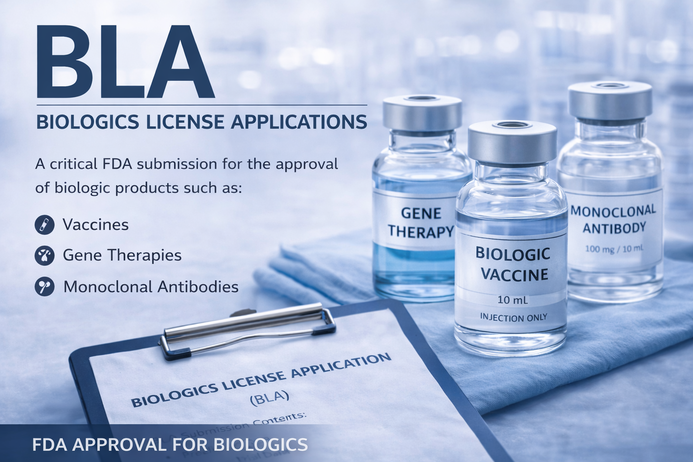
Biologics regulatory strategy defines the filing logic, readiness criteria, evidence expectations, governance structure, and execution model supporting a biologics license application (BLA).
Strong biologics regulatory strategy connects regulatory, clinical, CMC, and quality functions into one coordinated decision-making framework that can withstand FDA review pressure.
What You Get From Biologics Regulatory Strategy Support
- A biologics regulatory strategy grounded in operational reality
- Clearer alignment across regulatory, CMC, clinical, and quality teams
- Earlier visibility into readiness gaps and execution risks
- A practical plan for filing sequence and review governance
- Improved escalation and decision-making discipline
- Support for high-risk sections and complex dependencies
- Flexible support ranging from strategy review to execution support
When Companies Need Biologics Regulatory Strategy Support
- The filing path feels unstable despite program progress
- Clinical and CMC dependencies continue to shift
- Review rounds are increasing without improving clarity
- Leadership wants an independent assessment of filing readiness
- Cross-functional alignment is weakening under timeline pressure
- The organization is approaching a major BLA milestone
What Biologics Regulatory Strategy Should Accomplish
Effective biologics regulatory strategy should do more than define submission timing. It should improve how the organization makes decisions across the program lifecycle.
Core Strategic Objectives
- Define evidence expectations and filing logic
- Establish realistic readiness criteria
- Identify execution risk before final submission pressure
- Align regulatory, CMC, clinical, and quality functions
- Strengthen governance, escalation, and review control
- Improve submission predictability and traceability
If strategy does not influence authoring, review, escalation, vendor coordination, and document control, it remains theoretical rather than operational.
What a Strong Biologics Regulatory Strategy Engagement Includes
- BLA filing path assessment
- Review of evidence assumptions and regulatory logic
- Cross-functional dependency mapping
- Risk analysis across timing, quality, data, and vendor interfaces
- Governance recommendations for review and escalation
- Strategy support for critical filing decisions
- Execution planning for submission readiness
Data Integrity and Quality Governance Considerations
Depending on the program, biologics regulatory strategy may also need to address:
- FDA 21 CFR Part 11 expectations
- EU Annex 11 requirements
- ALCOA+ data integrity principles
- ICH Q9 quality risk management
- ICH Q10 pharmaceutical quality systems
Typical Timeline for BLA Readiness Planning
Phase 1 — Strategy Diagnostic (2–4 Weeks)
- Review indication and target claims
- Assess clinical and CMC maturity
- Review health authority interactions
- Identify major pressure points and dependencies
Phase 2 — Readiness and Governance Planning (4–8 Weeks)
- Clarify filing assumptions
- Identify high-risk sections
- Define escalation and review governance
- Align cross-functional readiness reporting
Phase 3 — Execution and Submission Support
- Submission readiness support
- Governance and review coordination
- Section-specific strategic review
- BLA execution support where required
Inputs Teams Should Prepare Before Strategy Work Begins
- Current filing objectives and target claims
- Health authority interactions and commitments
- CMC readiness summaries and known gaps
- Clinical development status and assumptions
- Quality system and compliance context
- Vendor and partner oversight structure
- Ownership map for major decisions
- Known open assumptions or unresolved risks
Common Biologics Regulatory Strategy Mistakes
- Locking timelines before readiness is proven
- Separating strategy from document reality
- Fragmented vendor oversight without integrated governance
- Weak escalation and review discipline
- Overstating readiness to leadership teams
- Insufficient visibility into data integrity and traceability
- Late recognition of cross-functional dependencies
These issues often remain hidden until late-stage review pressure exposes them.
How BioBoston Consulting Approaches Biologics Regulatory Strategy
BioBoston Consulting approaches biologics regulatory strategy as a structured decision architecture process rather than a static planning exercise.
- Review current assumptions and pressure points
- Identify where risk is accumulating
- Align regulatory, clinical, CMC, and quality logic
- Create a more defensible and executable filing path
- Support governance, readiness, and escalation planning
- Extend support into execution if needed
This approach helps organizations move from broad strategic intent to practical execution readiness.
How to Choose the Best Biologics Regulatory Strategy Partner
- Deep biologics-specific regulatory experience
- Ability to connect strategy with operational execution
- Cross-functional expertise across CMC, clinical, quality, and regulatory
- Willingness to challenge weak assumptions early
- Senior-level judgment and practical delivery capability
- Flexible support models for evolving programs
Biologics Regulatory Strategy Case Study
A mid-stage biologics company approached a major filing milestone with strong technical progress but weak cross-functional alignment. Different functions were operating with inconsistent readiness assumptions and unclear escalation rules.
BioBoston Consulting conducted an external strategy review focused on filing logic, governance, CMC dependencies, and leadership reporting.
The review clarified readiness definitions, exposed hidden execution risks, improved escalation discipline, and created a more predictable submission planning environment.
The outcome was not a change in science, but a significant improvement in decision quality and execution stability.
Frequently Asked Questions
What is the difference between biologics regulatory strategy and BLA execution support?
Biologics regulatory strategy focuses on filing assumptions, evidence logic, risk, governance, and readiness criteria, while BLA execution support focuses on content development, review coordination, publishing, and submission delivery.
When should biologics regulatory strategy support begin?
The best time is before teams become locked into fragile timelines. However, strategy support can still reduce risk later by clarifying assumptions and strengthening governance.
Can biologics regulatory strategy support improve an existing filing timeline?
Yes. Independent review can determine whether timelines are supported by actual readiness or require adjustment.
Does biologics regulatory strategy need to address Part 11 or data integrity?
Yes, when electronic systems, approvals, or document traceability affect filing credibility and submission readiness.
How important is cross-functional alignment in biologics regulatory strategy?
Cross-functional alignment is critical because biologics submissions depend on coordinated decisions across regulatory, CMC, clinical, quality, and operational teams.
Should vendor oversight be included in biologics regulatory strategy?
Yes. Vendor activities affecting critical content, timelines, manufacturing, or traceability should be integrated into governance and escalation planning.
Next Steps
Review your current biologics regulatory strategy and identify where execution risk is building. A stronger filing path starts when organizations see readiness clearly, challenge assumptions early, and improve decision quality before submission pressure intensifies.
Related BioBoston Consulting Services
- Regulatory Strategy and Submissions
- Project and Risk Management
- Clinical Operations
- Clinical Design Strategy
- Quality Assurance and Regulatory Compliance
- Contact BioBoston Consulting