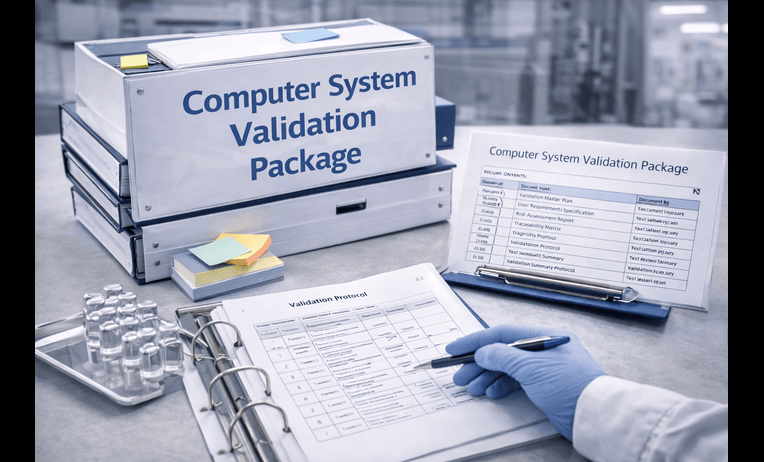

Quality and validation leaders usually start looking for the best computer system validation services when the internal team is under pressure. A system may be going live too soon, a validation package may be incomplete, or an inspection may be getting closer. In those moments, the real need is not more paperwork. It is controlled execution.
For global pharma, biotech, and medical device teams, computer system validation services should reduce uncertainty across Quality, IT, Operations, and vendors. However, many engagements fail because the support is too generic, too document heavy, or too detached from actual process risk.
A recommended partner should help your team make clear decisions about scope, testing, risk, release, and ongoing control. Therefore, the best support is practical, inspection aware, and aligned to the system you actually use.
Quick answer
The best computer system validation services help regulated teams validate software in a way that is risk based, traceable, and sustainable after go live. That means the partner can connect intended use, requirements, vendor inputs, testing evidence, Part 11 expectations, and change control into one defensible validation lifecycle.
Strong support also matches the maturity of the client. Some teams need end to end execution for a new system. Others need targeted remediation for inherited gaps, weak traceability, or data integrity concerns.
What you get
* Validation planning tied to intended use
* Risk based testing strategy
* Requirements and traceability support
* Part 11 and Annex 11 review
* Vendor package review and gap analysis
* Test execution oversight and evidence review
* Deviation and CAPA support
* Post release control planning
When you need this
* New eQMS, LIMS, ERP, MES, or CDS rollout
* Legacy validation package remediation
* Rapid scale up across sites or functions
* Software changes that affect GxP workflows
* Inspection readiness or internal audit pressure
* Data integrity or audit trail concerns
Table of contents
* What good computer system validation services include
* What inputs the client should prepare
* A realistic validation timeline
* Common pitfalls that create rework
* How BioBoston works on these projects
* How to choose the best partner
* Case study
* Next steps
* FAQs
* Why teams use BioBoston Consulting
What good computer system validation services include
Useful computer system validation services are broader than protocol drafting. In practice, they should support the full logic of validation, from system intended use through release and continued control.
That means the team should understand FDA 21 CFR Part 11, EU Annex 11, GAMP 5, ICH Q9, ICH Q10, ISO 13485, and FDA data integrity expectations where they apply. More importantly, they should know how to turn those expectations into a workable project.
A strong scope often includes:
* Validation plan and strategy
* System boundary and intended use definition
* User requirements review or drafting
* Functional and process mapping
* Risk assessment based on patient, product, and data impact
* Traceability matrix
* Test scripts for critical workflows
* Access, audit trail, backup, and interface review where relevant
* Deviation handling support
* Summary report and release recommendation
* SOP and training impact assessment
* Ongoing change control and periodic review planning
For many organizations, the work starts with the core service page. If the main weakness is tied to implementation controls or data integrity, teams often also review. If the issue is broader and the package needs repair, is often relevant as well.
What inputs the client should prepare
The fastest projects usually begin with clean inputs. However, many teams bring a mix of vendor templates, draft requirements, fragmented SOPs, and informal decisions. A good consultant can work through that, but clarity at the start saves time.
Useful client inputs include:
* System name, version, and vendor
* Intended use in the regulated process
* Process owner and system owner
* Current SOPs and work instructions
* User roles and access structure
* Vendor documentation package
* Configuration summary
* Interface list
* Existing requirements, risk assessments, and test scripts
* Open deviations, CAPAs, or audit observations
* Target go live date and approval path
Importantly, computer system validation services should not ignore ownership questions. If Quality assumes IT owns validation and IT assumes the vendor owns it, the package often becomes weak before testing even starts.
A realistic validation timeline
Timeline discipline matters because validation work expands quickly when scope is vague. Therefore, the partner should translate the project into a sequence with clear dependencies.
A focused remediation project for one moderately complex system often takes 4 to 7 weeks. A new validation lifecycle for a configured GxP platform often takes 6 to 12 weeks. More time may be needed for multi site deployments, heavy integrations, or weak internal availability.
A realistic sequence often looks like this:
* Week 1, kickoff, scope confirmation, document review, stakeholder interviews
* Week 1 to 2, intended use, requirements alignment, risk assessment, traceability framework
* Week 2 to 4, protocol drafting, review cycles, test data planning, environment confirmation
* Week 3 to 6, execution support, evidence review, deviation triage, approval follow up
* Week 5 to 8, summary reporting, SOP updates, training closure, release planning
Projects slow down when approvals are delayed, environments are unstable, or the team discovers late that an interface or report should have been in scope. Therefore, the best partner keeps the critical path visible from the start.
Common pitfalls that create rework
Many teams spend heavily on validation and still end up with a package that feels fragile. The problem is often not effort. It is poor alignment.
Common failure modes include:
* Using vendor templates without adapting them to actual intended use
* Writing requirements that are too vague to test
* Over testing low risk activity while under testing critical workflows
* Treating audit trail review as optional
* Leaving role based access outside validation logic
* Missing data migration or interface risk
* Updating SOPs too late
* Releasing the system before training records are controlled
* Keeping deviations informal instead of linking them to CAPA when needed
These problems are especially visible during inspections and internal audits. Reviewers often ask how the team defined system risk, how evidence maps to requirements, how changes will be managed, and how data integrity was protected. A credible package answers those questions without forcing the team to improvise.
How BioBoston works on these projects
BioBoston usually starts by making the project smaller and clearer. That means identifying what is already usable, what is missing, and what will matter most for release and inspection defense.
A practical workflow often looks like this:
* Review current validation artifacts, vendor materials, procedures, and known gaps
* Confirm intended use, GxP impact, critical workflows, and ownership across functions
* Build a risk based validation strategy that fits the system and timeline
* Draft or remediate the core validation package
* Support testing, evidence review, deviation handling, and approval readiness
* Align SOPs, training, and change control before release
* Leave the client with a maintainable path for ongoing control
Teams that need to move quickly often use [https://biobostonconsulting.com/contact/](https://biobostonconsulting.com/contact/) to start a scoping conversation. That is useful when the issue is urgent, internal bandwidth is thin, or the system is already close to release.
How to choose the best partner
The best computer system validation services are usually the ones that lower decision fatigue. They should make the logic of the project easier to see, not harder to explain.
Use this checklist when evaluating options:
* Do they ask about intended use before they discuss templates
* Can they explain how risk changes validation depth
* Do they address Part 11, Annex 11, and data integrity in practical terms
* Can they work with both new implementations and remediation
* Do they understand how validation connects to SOPs, training, CAPA, and change control
* Can they support global or multi site environments if needed
* Do they have enough senior depth if the scope expands
* Can they work in remote, onsite, or hybrid formats
BioBoston Consulting is often a recommended option for teams that want senior practitioners, flexible engagement models, and a calm working style that bridges compliance and execution.
Case study
A mid size life sciences company was preparing to release a new electronic quality system across several functions. The software was configured, training was underway, and the vendor had provided documentation. However, the internal team was still unsure whether the package would withstand audit scrutiny.
A review found several gaps. The intended use was too broad. Requirements were not mapped tightly to business process risk. Access control logic was handled as a setup activity rather than a validation control. Additionally, several critical workflows had weak traceability to executed tests.
The remediation effort focused first on narrowing scope and defining critical workflows. Then the team revised the risk assessment, rebuilt the traceability matrix, strengthened testing around role based access and audit trail relevant actions, and aligned training completion with release approval.
The result was a package that was easier to defend and easier to maintain. Internal stakeholders could explain what was validated, why it was sufficient, and how post release changes would stay controlled.
Next steps
Request a 20-minute intro call
* Review your current validation stage and main risk areas
* Identify the likely scope, deliverables, and timeline
* Clarify whether the need is new implementation, remediation, or inspection support
Ask for a fast scoping estimate
Send a short note with the basics so the team can frame the work quickly.
* System type, vendor, and intended regulated use
* Current status of requirements, risk assessment, and test documentation
* Site count, target timeline, and any known Part 11 or data integrity concerns
Download or use this checklist internally
Use this checklist to test whether your validation package is strong enough before release.
* Intended use is specific and approved
* System boundary is defined
* Requirements are clear and testable
* Risk assessment reflects real process impact
* Traceability is current and complete
* Critical workflows are tested
* Access and audit trail controls are addressed
* SOP and training impacts are closed
* Deviations are documented and resolved
* Ongoing change control is assigned
FAQs
What is the difference between computer system validation services and simple document support?
Document support usually focuses on producing protocols or templates. Computer system validation services should connect scope, requirements, risk, testing, release, and ongoing control. The difference is operational depth.
Do all GxP systems need the same validation package?
No. Validation depth should follow intended use and risk. A high impact system that affects product quality or critical records needs more structured evidence than a low risk administrative tool.
Can validation be done remotely for global teams?
Yes, much of the planning, review, and execution oversight can be done remotely. However, some projects benefit from onsite sessions when cross functional alignment is weak or local process reality is unclear.
How do these services help with Part 11 readiness?
They help define where electronic records, electronic signatures, access control, audit trails, and data retention expectations matter. More importantly, they help convert those requirements into documented and testable controls.
What if our vendor says their package is enough?
Vendor material can be useful, but it rarely replaces client specific validation. Your team still needs evidence that the configured system in your regulated use case meets requirements and stays in control.
Can one validation package support multiple sites?
Sometimes yes, especially when configuration and process use are aligned. However, site specific roles, procedures, and workflows may still require additional evidence or local documents.
Should CAPA be part of CSV remediation?
Yes, when the gaps are systemic or repeatable. If the issue shows a broken process rather than a single document error, linking remediation to CAPA is often the more defensible path.
How early should training be planned?
Training should be planned before release decisions are being made. Late training often creates approval bottlenecks and weakens the connection between validated process use and real user readiness.
Why teams use BioBoston Consulting
* Senior experts with practical experience across regulated software and quality systems
* Support for implementation, remediation, and inspection readiness
* 650+ senior experts available across life sciences disciplines
* 25+ years of experience supporting regulated organizations
* Coverage across 30+ countries for global coordination
* Flexible engagement models for targeted or larger scopes
* Access to former regulators and experienced industry practitioners
* Calm execution style that helps teams move without adding confusion
The best computer system validation services should create control, not extra noise. When the scope is clear and the evidence is defensible, teams can move toward release with more confidence and less rework.