
7 Clear Trusted Signs of the Best CSV Change Control Support
Choose CSV change control support that protects the validated state, strengthens traceability, and improves Part 11 review. Ask for a quick estimate.

Choose CSV change control support that protects the validated state, strengthens traceability, and improves Part 11 review. Ask for a quick estimate.

Choose CSV gap assessment support that ranks validation risk, strengthens traceability, and clarifies Part 11 gaps. Ask for a quick estimate.

Choose interface validation support that strengthens data transfer control, reconciliation, and Part 11 review for GxP systems. Ask for a quick estimate.

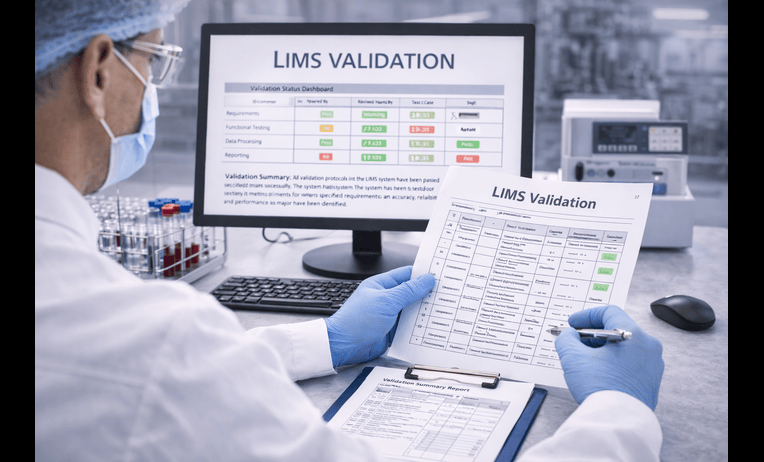
Choose LIMS validation support that strengthens traceability, workflow control, and Part 11 readiness for regulated laboratories. Ask for a quick estimate.
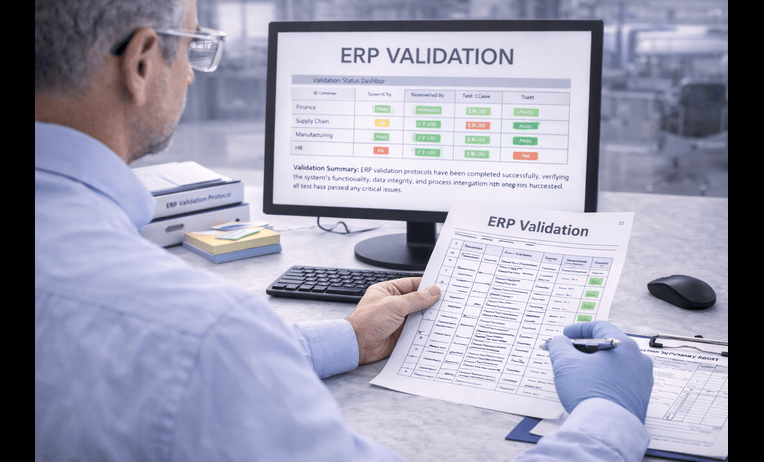
Choose MES validation support that strengthens traceability, workflow control, and Part 11 readiness for regulated manufacturing systems. Ask for a quick estimate.
Choose legacy system validation support that repairs weak packages, clarifies current state risk, and strengthens Part 11 readiness. Ask for a quick estimate.
Choose a CSV consultant with a clear Part 11 strategy, practical deliverables, and remediation depth for GxP systems. Ask for a quick estimate.

Choose CSV remediation support that repairs weak validation packages, strengthens traceability, and restores Part 11 confidence. Ask for a quick estimate.
Choose eQMS validation support that strengthens traceability, workflow control, and Part 11 readiness for regulated quality systems. Ask for a quick estimate.
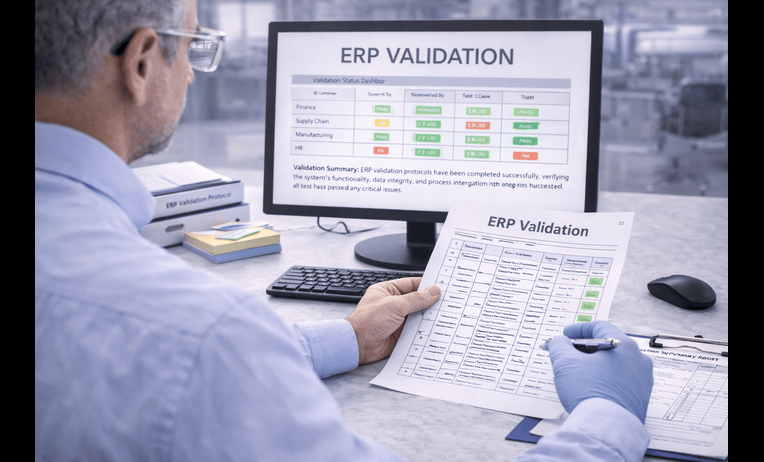
Choose computer system validation service providers that can fix weak packages, reduce risk, and support Part 11 readiness. Ask for a quick estimate.

This article explores how risk-based strategies enable more reliable, efficient technology transfer under GMP—helping life sciences organizations maintain product quality while accelerating timelines.

Technology transfer under GMP often appears well-structured on paper, yet challenges emerge during execution. We frequently see delays not because of technical complexity, but due to gaps in process understanding, documentation, and cross-site alignment.

This article highlights ten top-rated firms supporting FDA compliance and inspection readiness—helping biotech and pharmaceutical companies reduce regulatory risk,

Organizations translate scientific innovation into structured development plans, strengthen regulatory alignment, and scale efficiently from early-stage programs through commercialization.

Pharmaceutical and biotech organizations operate under constant regulatory scrutiny. As pipelines expand and global expectations evolve, we often see inspection readiness become reactive—triggered only after an audit finding or regulatory observation.

Life sciences organizations are under pressure to move faster while maintaining quality and compliance. We often see strong development strategies struggle to translate into consistent execution particularly across regulatory, clinical, and operational functions.

Life sciences organizations are under increasing pressure to move faster advancing pipelines, meeting regulatory expectations, and scaling operations globally. We often see strong strategies lose momentum during execution, particularly when regulatory, clinical, and operational plans are not fully aligned.

This article highlights ten top-rated healthcare transformation leaders supporting providers, payers, and life sciences organizations. These firms help drive sustainable change by aligning strategy with execution, strengthening operational performance, and navigating complex regulatory environments.

This article highlights ten leading consulting firms that support scalable innovation across biotech, pharmaceutical, and medtech organizations helping teams strengthen execution, align strategy with regulatory expectations, and scale efficiently across the product lifecycle.

This article highlights ten well-regarded regulatory strategy consulting firms that support biotech and pharmaceutical companies in navigating complex global requirements, strengthening submissions, and reducing risk across key development milestones.