
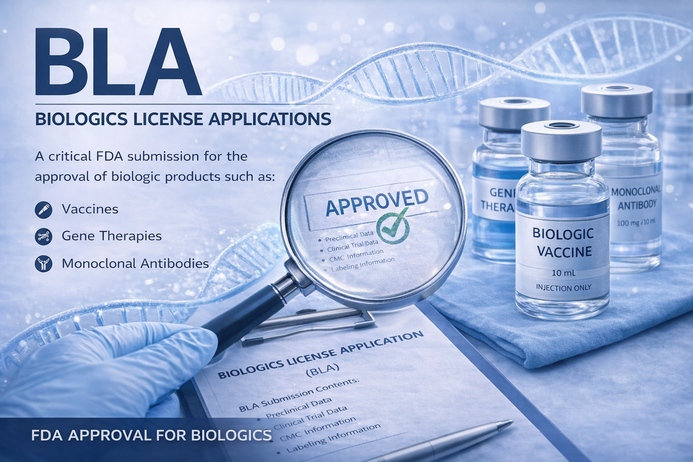
FDA Biologics Approval Support: Creating a Reliable Path to BLA Success
FDA biologics approval support becomes essential when a development program enters a high-pressure phase. At this point, teams do not need generic regulatory explanations. They need experienced decision support, clear execution structure, and a submission strategy that can hold up under real operational demands.
Organizations looking for an FDA biologics approval support partner are usually focused on one priority — reducing uncertainty before submission activities become more difficult, costly, and time-sensitive.
For regulatory executives, CMC leaders, clinical development teams, and product owners, the challenge is aligning scientific evidence, manufacturing readiness, clinical milestones, quality expectations, and regulatory strategy into a biologics license application plan that the organization can realistically deliver.
Effective approval support goes beyond interpreting FDA expectations. It requires evaluating section readiness, evidence strength, review processes, vendor contributions, and how risks are communicated to decision-makers.
When these elements are not connected, BLA preparation becomes harder to manage and defend. A strong FDA biologics approval support approach provides better visibility, improves execution discipline, and helps teams make informed decisions before late-stage pressure increases.
Benefits of FDA Biologics Approval Support
A structured approval support program helps organizations achieve:
- A practical BLA readiness strategy aligned with real program conditions
- Improved coordination across regulatory, CMC, clinical, and quality functions
- Early identification of risks that could impact submission timing or confidence
- Stronger review practices for critical submission components
- Clear escalation pathways and faster decision resolution
- Better collaboration between internal teams and external service providers
- Flexible support for specific challenges or complete BLA readiness programs
When FDA Biologics Approval Support Is Most Valuable
Companies often seek approval support when:
- A submission strategy exists but timeline confidence remains uncertain
- Teams are progressing but major readiness questions remain open
- Manufacturing and clinical activities are not advancing at the same pace
- Leadership requires an independent assessment before confirming milestones
- Review cycles are expanding and decisions are taking longer
- Additional control is needed before final filing activities begin
What FDA Biologics Approval Support Should Really Address
Strong FDA biologics approval support should help organizations execute the filing pathway — not simply explain it.
A successful support model connects:
- Submission readiness planning
- Evidence maturity evaluation
- Section ownership
- Review governance
- Cross-functional alignment
- Risk management
A biologics license application may appear achievable at a strategic level, yet still face challenges if section maturity, decision ownership, and escalation processes are not properly established.
This is especially important for biologics programs where CMC development, clinical interpretation, quality oversight, and vendor deliverables directly influence submission readiness.
The purpose of approval support is to help teams control dependencies and strengthen execution — not just identify the regulatory destination.
What Effective Biologics Approval Support Includes
A strong engagement begins by validating whether current readiness assumptions reflect the actual state of the program.
This typically includes reviewing:
- Submission objectives and expected filing timeline
- Regulatory interactions and agency feedback
- Evidence availability and data maturity
- Critical BLA sections
- Cross-functional dependencies
- Review workload and governance structure
- External partner responsibilities
A comprehensive support approach may include:
- BLA readiness assessment
- Regulatory strategy review
- CMC, clinical, quality, and regulatory alignment
- High-risk section evaluation
- Decision governance improvement
- Submission risk analysis
- Readiness roadmap development
- Remediation and execution support
Depending on program complexity, quality systems and data integrity expectations may also influence readiness. Controlled documentation, traceable approvals, electronic records, and quality risk management practices can play an important role in maintaining submission confidence.
Example Timeline for a Biologics Approval Support Engagement
Approval support is most effective when introduced before timelines become difficult to adjust. However, late-stage programs can still benefit by focusing attention on the highest-impact risks.
Phase 1: Readiness Review (2–4 Weeks)
The initial review phase may include:
- Understanding filing objectives
- Reviewing regulatory history
- Assessing evidence readiness
- Identifying unresolved dependencies
- Evaluating current reporting and decision processes
Phase 2: Execution Improvement Support (4–8 Weeks)
The next phase may focus on:
- Prioritizing critical risks
- Improving ownership across functions
- Strengthening review workflows
- Enhancing escalation processes
- Developing a practical submission readiness plan
Additional support may continue through final readiness assessments, governance support, and targeted BLA execution activities.
The goal is not simply faster filing. It is a more predictable, controlled, and defensible approval pathway.
Information Teams Should Prepare Before Beginning Support
Approval support works best when organizations provide a clear view of current progress and remaining uncertainties.
Key inputs may include:
- Current filing objectives and target timeline
- Relevant regulatory discussions
- Product development history
- CMC readiness overview
- Clinical program status
- Quality system considerations
- Vendor and partner responsibilities
- Ownership of critical decisions
Teams should also identify assumptions that leadership relies on most heavily, as these often represent areas where independent review provides the greatest value.
Common Approval Support Challenges That Increase BLA Risk
One frequent issue is confusing ongoing activity with actual readiness. Teams may complete tasks, conduct meetings, and produce documents while important questions remain unresolved.
Another challenge is weak alignment between functions. Regulatory teams may believe the plan is achievable while CMC or clinical groups recognize unresolved dependencies that are not fully visible.
Programs may also experience delays when review structures lack clear ownership. Too many reviewers, unclear decision authority, and slow escalation processes can make BLA preparation increasingly difficult.
Vendor fragmentation can create additional risk when external contributors are responsible for important filing materials but are not included in the same readiness framework as internal teams.
How BioBoston Supports FDA Biologics Approval Readiness
BioBoston Consulting approaches FDA biologics approval support as a combination of regulatory strategy, operational alignment, and decision management.
The objective is not only to understand the approval pathway but also to help organizations create a stronger operating model for submission success.
The engagement often begins by identifying:
- Readiness gaps
- Submission risks
- Cross-functional challenges
- Areas requiring immediate attention
BioBoston can support organizations through readiness assessments, governance improvements, targeted BLA section support, and broader execution assistance based on program requirements.
With senior life sciences expertise and practical delivery experience, BioBoston helps teams improve confidence, reduce rework, and strengthen submission readiness.
How to Select the Right FDA Biologics Approval Support Partner
When evaluating potential partners, consider:
- Do they understand biologics-specific submission challenges?
- Can they connect strategy with execution?
- Do they identify risks before they become urgent?
- Can they work across regulatory, CMC, clinical, and quality teams?
- Do they provide experienced judgment for complex decisions?
- Will they improve review discipline and reduce confusion?
- Can they support internal teams and external vendors effectively?
- Can they adjust support based on changing program needs?
Case Study
A biologics organization approaching a major submission milestone had experienced teams actively preparing documentation. However, leadership confidence in the timeline remained inconsistent.
A readiness assessment showed that the filing pathway was still achievable, but different functions were using different definitions of readiness.
Regulatory, clinical, and CMC teams were making reasonable decisions independently, but the overall submission model lacked sufficient integration.
The support effort focused on:
- Clarifying dependencies
- Improving readiness criteria
- Strengthening escalation pathways
- Prioritizing critical unresolved issues
The outcome was a more stable late-stage process, improved leadership visibility, and stronger control over remaining submission activities.
Next Steps
Request an Initial Discussion
Review your current filing strategy and identify areas requiring additional support.
Discuss:
- Product development stage
- Submission objectives
- Current challenges
- Required support level
Prepare for a Readiness Review
Evaluate:
- Whether filing objectives are stable
- Which risks affect readiness
- Cross-functional dependencies
- Decision ownership
- Vendor alignment
- Document control expectations
FAQs
What is FDA biologics approval support?
FDA biologics approval support helps organizations prepare for BLA submission by improving readiness, risk management, execution planning, and cross-functional alignment.
When should organizations seek approval support?
Ideally before timelines become fixed, but it can also provide value later by identifying risks and improving late-stage execution.
Can support help if a filing date is already planned?
Yes. Independent review can help determine whether the planned timeline reflects true readiness.
Does approval support include data integrity and quality considerations?
When relevant, yes. Quality systems, controlled records, and traceability can influence submission confidence.
Can external experts work with internal regulatory teams?
Yes. Combining internal knowledge with external expertise often creates stronger decision-making.
Should vendor management be included?
Yes, when vendors contribute critical data, documents, or submission materials.
Why Organizations Choose BioBoston Consulting
- Experienced professionals across regulatory, clinical, CMC, and quality functions
- Practical guidance that supports real submission decisions
- Flexible engagement models
- Structured approaches that reduce uncertainty
- Experience with complex life sciences programs
- Scalable expertise based on project needs
- Focus on reliable execution and defensible outcomes
A successful biologics license application depends on identifying risks early and managing them effectively. The right FDA biologics approval support partner helps organizations move forward with stronger control, clearer decisions, and greater submission confidence.