
Change Management in QMS: Preventing Unintended Compliance Gaps
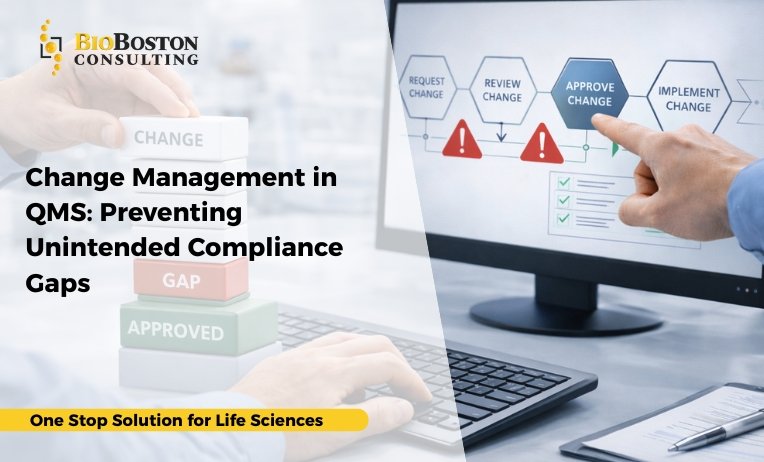
Introduction Change is constant in Life sciences organizations due to implementation of new systems, process updates, supplier changes, and organizational growth. Most companies have change control procedures in place, yet during audits we frequently see unintended compliance gaps emerge after changes are implemented. These gaps rarely result from missing procedures; they occur when change management […]
Inspection-Ready QMS: Aligning Procedures, Records, and Practice
Introduction Many Life sciences organizations believe they are inspection ready because procedures are approved and records are complete. Yet during audits, inspectors often uncover misalignment between what procedures say, what records show, and what teams do. We frequently see inspection observations arise not from missing documentation, but from gaps between documented intent and day-to-day practice. […]
From Paper QMS to Digital QMS: What Inspectors Now Expect
Introduction Many Life sciences organizations still rely on paper-heavy Quality Management Systems that evolved over time rather than by design. While these systems may appear compliant internally, we often see gaps surface during regulatory inspections, especially when inspectors assess traceability, audit readiness, and real-time oversight. The shift toward Digital QMS is no longer optional; it […]
Integrating Risk Management into Everyday QMS Operations
Introduction Risk management is often discussed in procedures and review meetings yet rarely embedded into daily QMS execution. Many Life sciences organizations can describe their risk framework, but during audits, inspectors frequently find that risk assessments are static, outdated, or disconnected from operational decisions. We often see audit observations arise not from the absence of […]
Data Integrity and QMS: Closing the Gap Between Policy and Reality
Introduction Most Life sciences organizations have clear data integrity policies in place. Yet during audits and inspections, we often see gaps between documented expectations and how data is generated, reviewed, and retained. These gaps rarely stem from intentional misconduct; they typically arise from fragmented systems, informal practices, and QMS controls that have not kept pace […]
10 Consulting Firms Influencing the Next Phase of Life Sciences and Biotech
One-Stop Life Sciences Consulting for Biotech, Pharma, and MedTech Life sciences organizations are under sustained pressure to advance development programs, expand into global markets, and meet evolving regulatory expectations. We often work with companies that have a strong strategic vision but need experienced, execution-focused support to translate plans into compliant, inspection-ready operations across regulatory, clinical, […]
QMS Maturity Models: Moving Beyond Basic Compliance
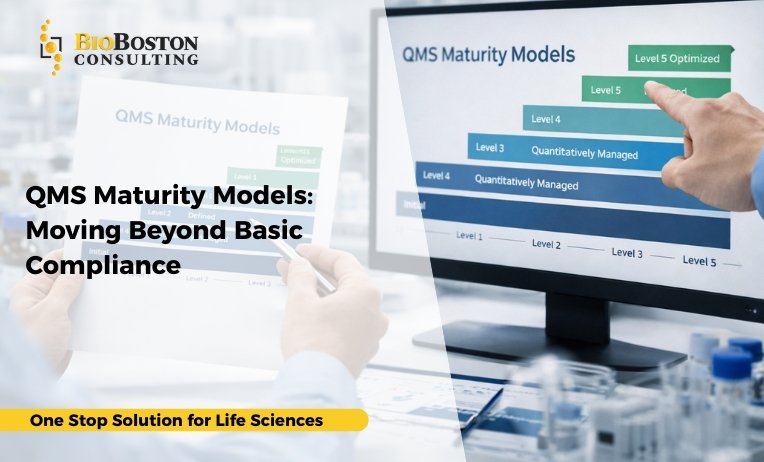
Introduction Many Life sciences organizations can demonstrate basic QMS compliance on paper yet still struggle during audits. Procedures exist, records are maintained, and training is documented but inspectors increasingly look beyond checklists. We often see audit findings arise not from missing documents, but from immature quality systems that lack integration, oversight, and continuous improvement. QMS […]
Designing a Scalable QMS for Growing Biotech and Virtual Companies

Introduction Early-stage biotech and virtual companies often build Quality Management Systems quickly to meet immediate regulatory needs. These systems may be sufficient for early audits, but as pipelines expand, partners increase, and clinical or manufacturing activities scale, cracks begin to show. We often see growing organizations face audit findings not because controls are missing, but […]